Menu & categories

Forest berries

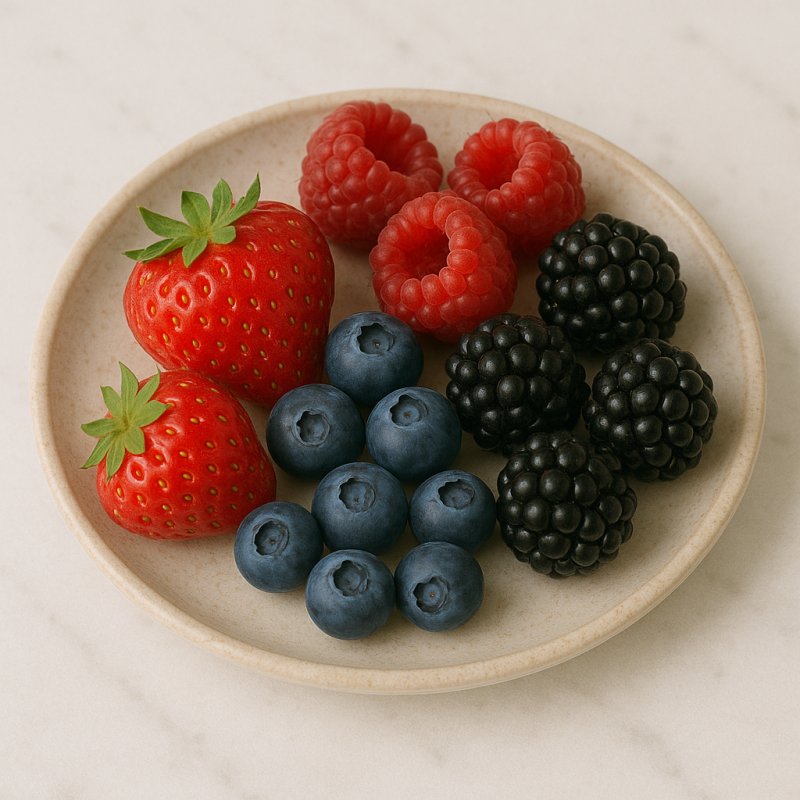
Mixture of forest berries rich in vitamins and antioxidants

Wiki about wild berry Nutri-Score A Vegan Yes Gluten-free Yes Lactose-free Yes Nut-free Yes
NUTRITION / 100 g
50 kcal 1 g Protein 12 g Kohlenhydrate 0.5 g Fett

Introduction

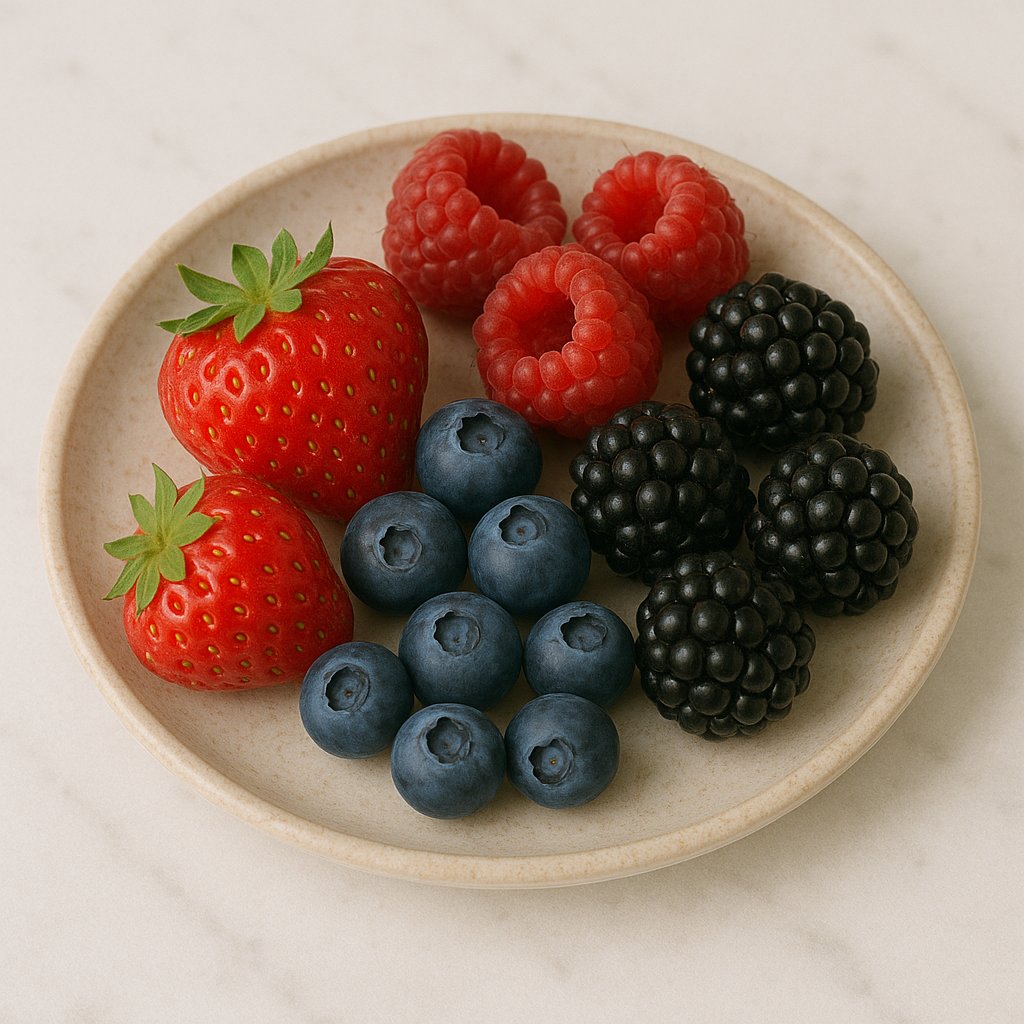
Fresh forest berries such as raspberries, blackberries and blueberries
Forest berries have something magical to me: they are small, wild storytellers from the undergrowth that, with every bite, evoke memories of summer afternoons and damp mossy paths. I still remember a rainy outing when a friend and I pounced on an unassuming blackberry bush and laughed loudly about how nature had served us a sweet reward — stained fingers included. Since then, forest berries have been synonymous for me with simplicity and flavor, a little piece of freedom in the kitchen.

What I particularly appreciate about forest berries is their versatility. They are equally suitable for improvised desserts, refined sauces for game, or a fresh breakfast with yogurt. A former neighbor once brought me a bowl of mixed berries; we stood in his small kitchen, sampled each fruit and spontaneously planned a tart. Moments like that remind me how good ingredients bring people together.

Typical representatives are blueberries, raspberries, blackberries and strawberries, but smaller treasures like lingonberries and wild raspberries also belong to the group. Each fruit brings its own texture and acidity, which can harmonize when combined correctly. I like when tart berries are balanced with a bit of honey or vanilla so the aroma can truly shine.

Tips for use

  • Freshly picked they taste most intense; rinse briefly and process as soon as possible.
  • For cakes and compotes I often leave larger berries whole and lightly crush smaller ones so the structure remains.
  • Freezing is a brilliant way to preserve the summer freshness — small portions in freezer bags are practical for smoothies.
I love experimenting with forest berries in the kitchen: a hint of lemon here, a pinch of rosemary there, and suddenly a simple bowl of berries becomes a dish that tells stories. These ingredients are pure joy to me — raw, cooked or baked, always personal and always a little wild.

Availability & types

Availability and types of forest berries

Forest berries are small, tasty fruits that often grow in woods, at forest edges or in nature-friendly gardens. When people think of forest berries they usually picture raspberries, blackberries, blueberries and wild strawberries. These fruits are not only delicious but grow in very different places and at different times of the year.

Origin
Many forest berries originally come from Europe, North America or other temperate regions, meaning areas that are neither too hot nor too cold. Fruits like blueberries and raspberries have adapted over centuries to forest edges and light woodlands. Some have been cultivated by people and grown in gardens and fields, others grow wild. Wild-growing fruits are often smaller but sometimes more intense in flavor — similar to how a wild apple tastes different from a cultivated supermarket apple.

Growing regions
Forest berries grow in very different places. Here are some examples:

  • Europe: In Germany, France or Scandinavia you can find many blueberries, raspberries and wild strawberries.
  • North America: There are wild blueberries and blackberries that grow in forests and bogs.
  • Asia: Similar fruits also grow in parts of Asia, often in mountainous regions.
In addition, some forest berries are now grown on plantations so they are available year-round. On plantations the plants are tended so they produce more and larger fruits — it's like giving a fruit plant good fertilizer and enough water so it grows better.

Available varieties and types
Forest berries occur in different varieties. A variety is like a particular “family” of a fruit that can differ in size, color, flavor or harvest time. Here is an overview, explained simply:

  • Raspberries: There are red, yellow and even black raspberries. Some varieties are very juicy, others more aromatic. Some ripen early in summer, others later.
  • Blackberries: These can have large, firm fruits or small, very sweet ones. There are also thornless varieties that make picking much easier — like not having to wear gloves when picking.
  • Blueberries: Wild blueberries are usually small and very flavorful. Cultivated varieties are often larger and juicier because they were bred for supermarkets.
  • Wild strawberries: These are smaller than garden strawberries but often more intense in flavor. You can sometimes find them in the woods if you look closely.
There are also ready-made products from forest berries: frozen, as jam, juice or dried. Frozen ones are available year-round because they are quickly frozen after harvest and thus stay fresh — similar to having ice cubes that stay cold for a long time.

Summary
Forest berries come from various regions of the world, grow wild or are cultivated on plantations and are available in many varieties. They differ in color, size, flavor and harvest time. Wild varieties are often more intense in flavor, cultivated varieties are larger and easier to harvest. Whether freshly picked in the woods, bought at the supermarket or sold frozen — forest berries remain a tasty, versatile ingredient to enjoy in many ways.
Details & nutrition

Property Value
Unit g
Calories per 100 50
Protein per 100 1
Carbohydrates per 100 12
Sugar per 100 7
Fat per 100 0.5
Saturated fat per 100 0.05
Monounsaturated fat 0.1
Polyunsaturated fat 0.3
Fiber per 100 5
Vitamin C (mg) per 100 25
Vitamin D (IU) per 100 0
Calcium (mg) per 100 25
Iron (mg) per 100 0.7
Nutri-Score A
CO₂ footprint 0.6
Origin Europe, mainly from forests and near-natural cultivation areas
Gluten-free Yes
Lactose-free Yes
Nut-free Yes
Vegan Yes
Note Forest berries are usually a mixture of berries such as raspberries, blackberries, blueberries and currants. Nutritional values may vary slightly depending on the composition.

Technical & scientific information

Forest berries is a collective term for various wild or cultivated berry fruits that typically occur in forests and bushes, for example blueberries (Vaccinium myrtillus), raspberries (Rubus idaeus), blackberries (Rubus fruticosus), wild strawberries (Fragaria vesca) and lingonberries (Vaccinium vitis-idaea). Botanically these fruits mostly belong to the group of aggregate fruits or accessory fruits; they are often small, juicy and rich in secondary plant compounds. In culinary and nutritional practice forest berries are valued for their aroma, color and nutrient density.

Chemical composition and constituents. Forest berries consist mainly of water (often 80–90%), carbohydrates, fiber, a small amount of protein and very little fat. Relevant micronutrients include vitamin C, various B vitamins and minerals such as potassium, manganese and iron in varying amounts. Characteristic are the high concentrations of polyphenols, particularly anthocyanins, flavonols and proanthocyanidins, which are responsible for the intense red to purple coloring. They also contain organic acids (e.g. citric and malic acid), aromatic compounds (terpenes, aldehydes) as well as natural sugars (glucose, fructose and sucrose).

Nutritional values. The energy density of forest berries is moderate and usually ranges between 30 and 60 kcal per 100 g depending on the fruit. Fiber makes up a significant proportion of the dry matter and contributes to satiety as well as positively influencing the gut microbiota. Antioxidant capacity, measured by in vitro methods such as ORAC or TEAC, is particularly high in dark berries and correlates with the content of anthocyanins and other polyphenols.

Processing and stability. Forest berries are consumed fresh, frozen, dried, processed into juices, jams, purees, extracts or concentrates. Physical processes such as pasteurization and freezing reduce microbial risks but partly change the structure of aroma compounds and the content of heat-sensitive vitamins like vitamin C. Polyphenols are relatively stable to cold but sensitive to heat and light; enzymatic browning caused by polyphenol oxidase can be inhibited by short heating or by adding ascorbic acid. Technological challenges in processing include the viscosity of purees, clarification of juices and preservation of color and aroma profile.

Health aspects. Epidemiological studies show that regular consumption of berries is associated with a reduced risk of cardiovascular diseases, improved blood pressure values and more favorable lipid profiles. The bioactive polyphenols act as antioxidants, anti-inflammatory agents and can modulate cellular signaling pathways; clinical effects are however dose-dependent and vary between individuals. Fiber and the low glycemic index of most forest berries support blood sugar regulation. Allergic reactions are rare but can occur in sensitive individuals to certain proteins. Wild-collected fruits should be checked for contamination or natural toxins, as some similar wild berry species can be poisonous.

Ecology and sustainability. Forest berries play an important role in ecosystems as a food source for birds and mammals and as seed dispersers. Sustainable harvesting practices limit the amount taken and promote the protection of shrubs and the undergrowth. Cultivated varieties are increasingly bred for yield, disease resistance and longer shelf life, while genetic diversity and conservation of wild populations are considered ecologically relevant.

In summary, forest berries are a nutrient-rich, flavorfully versatile and biologically active food group. Their composition of water, fiber, micronutrients and especially polyphenolic compounds makes them interesting from both nutritional and technological perspectives. With proper processing many of the health-relevant properties can be preserved, while sustainable harvesting and cultivation methods contribute to long-term availability and ecological balance.

Wiki entry for: wild berry
Active now: 18 visitors of which 2 logged-in members in the last 5 minutes