Availability and types of wholemeal flour
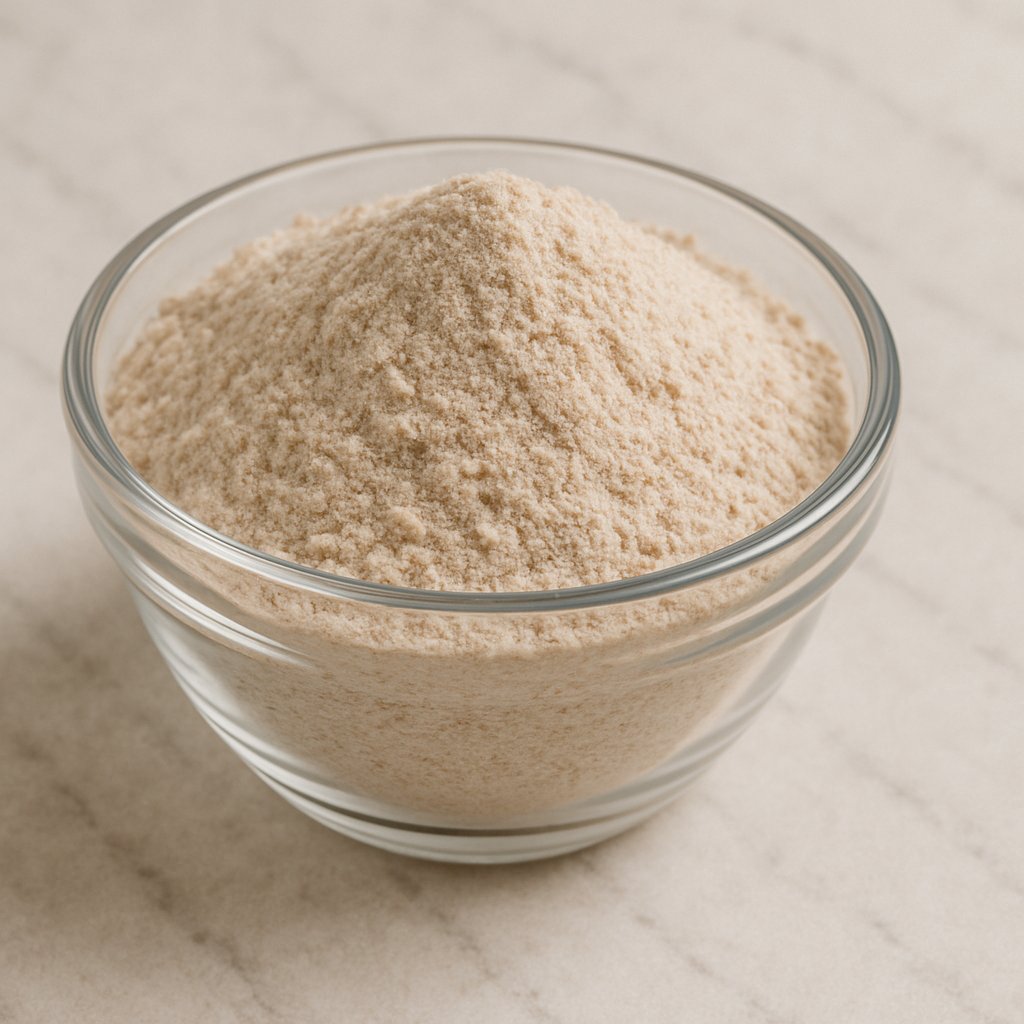
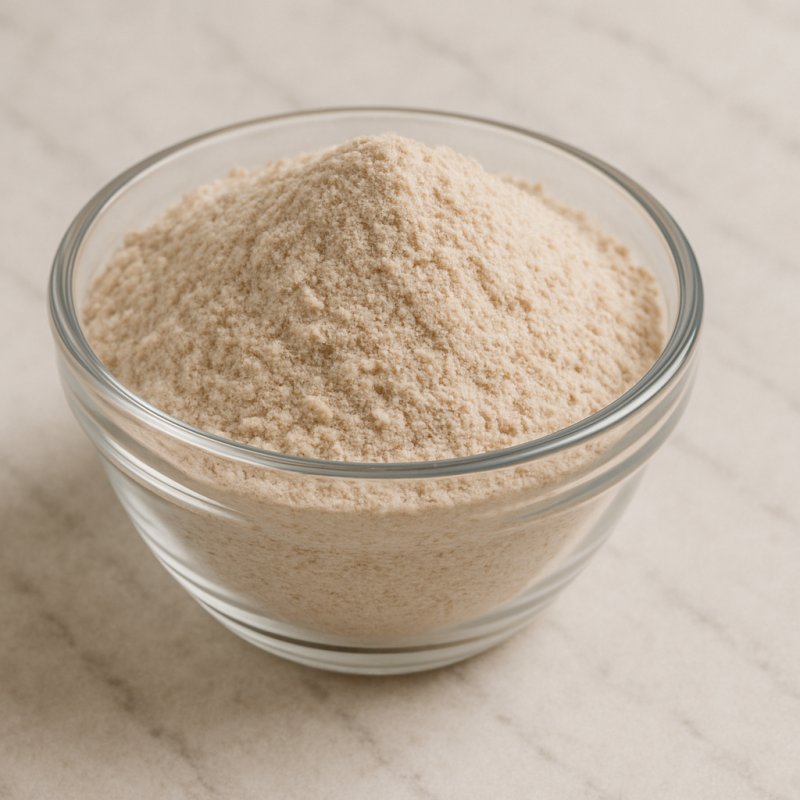
Origin: Wholemeal flour is made from the whole grain of the cereal plant. That means: manufacturing keeps the three parts of the grain intact – the hull (outer layer), the endosperm and the germ. These parts together give the flour a stronger taste and more nutrients than white flour. You can think of it like an apple: instead of using only the white flesh, you eat the whole fruit including the peel, so more of the good stuff is retained.
Growing regions: Wholemeal flour comes from cereals grown in many parts of the world. The most common cereal types are:
- Wheat: Grown in Europe, North America, China and many other regions. Wheat is the flour used in many breads and cakes.
- Rye: Grows particularly well in cooler regions such as Northern Europe (e.g. Germany, Poland, Scandinavia). Rye flour has a stronger, slightly sour flavor.
- Barley and oats: Are also grown, often in colder areas. Oats are popular for oatmeal but are also available as wholemeal flour.
- Spelt: An ancient type of wheat grown in parts of Europe and milder in taste than rye.
- Rice, maize and millet: Are common in warmer regions such as Asia, Africa and the Americas. Wholemeal flours are also made from these grains.
Available types and variants: Wholemeal flours differ depending on the cereal and the processing method. Here are the main types explained in simple terms:
- Whole wheat flour: Very common. It has a darker color than white flour and a nutty taste. Often used for bread, rolls and cakes.
- Whole rye flour: Darker and stronger in flavor. It makes bread denser and more aromatic. Many traditional breads, like German mixed bread or sourdough, use rye.
- Whole spelt flour: An alternative to wheat, with a slightly fine aroma. Some people tolerate spelt better, although it is still related to wheat.
- Whole oat and whole barley flour: Used less often for pure baking but good for mixing into bread dough or as an addition to muesli and pancakes.
- Gluten-free wholemeal flours: For people who cannot tolerate gluten there are wholemeal flours from rice, maize, millet, buckwheat or amaranth. They behave differently in baking but are important alternatives.
Forms in the store and at the baker: You can find wholemeal flour in the supermarket in bags or packages and often in organic versions. At the baker it is used fresh for bread. Sometimes there are also premixed flours, for example a wholemeal mix with different grains or extra flakes for more bite. If the packaging says wholemeal, it means the whole grain was used.
Simple comparison to understand: Imagine a grain is like a chocolate bar with wrapping, filling and a nut at its core. White flour would be only the sweet filling, wholemeal flour is the whole bar including wrapping and nut — that is why it is more wholesome and more filling.
In summary: Wholemeal flour comes from many cereal types grown worldwide. There are various types such as wheat, rye, spelt or gluten-free variants, and you can find it in the supermarket, health food store or at the baker. Each variety has its own flavor and baking properties, so you can choose according to the recipe and preference.