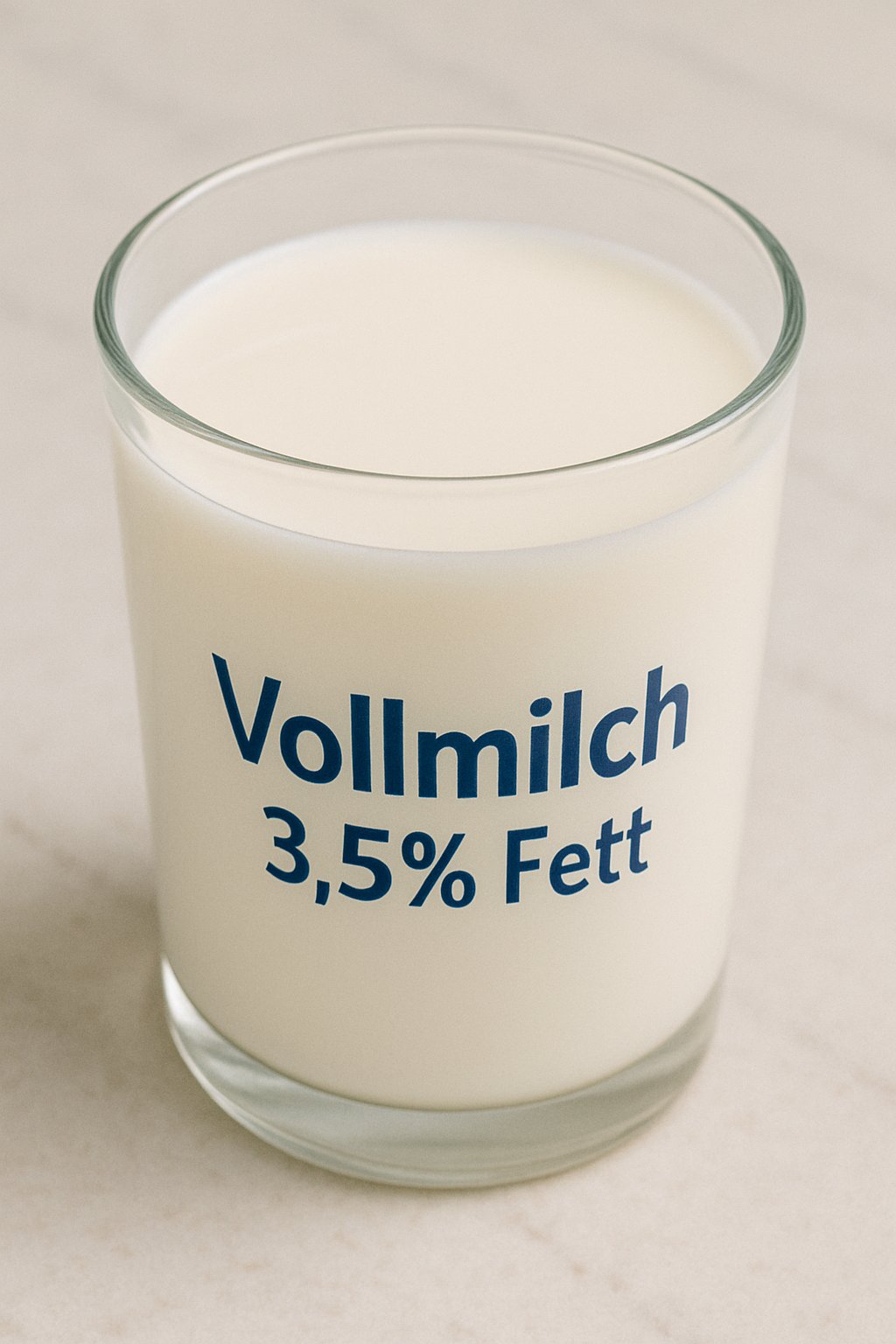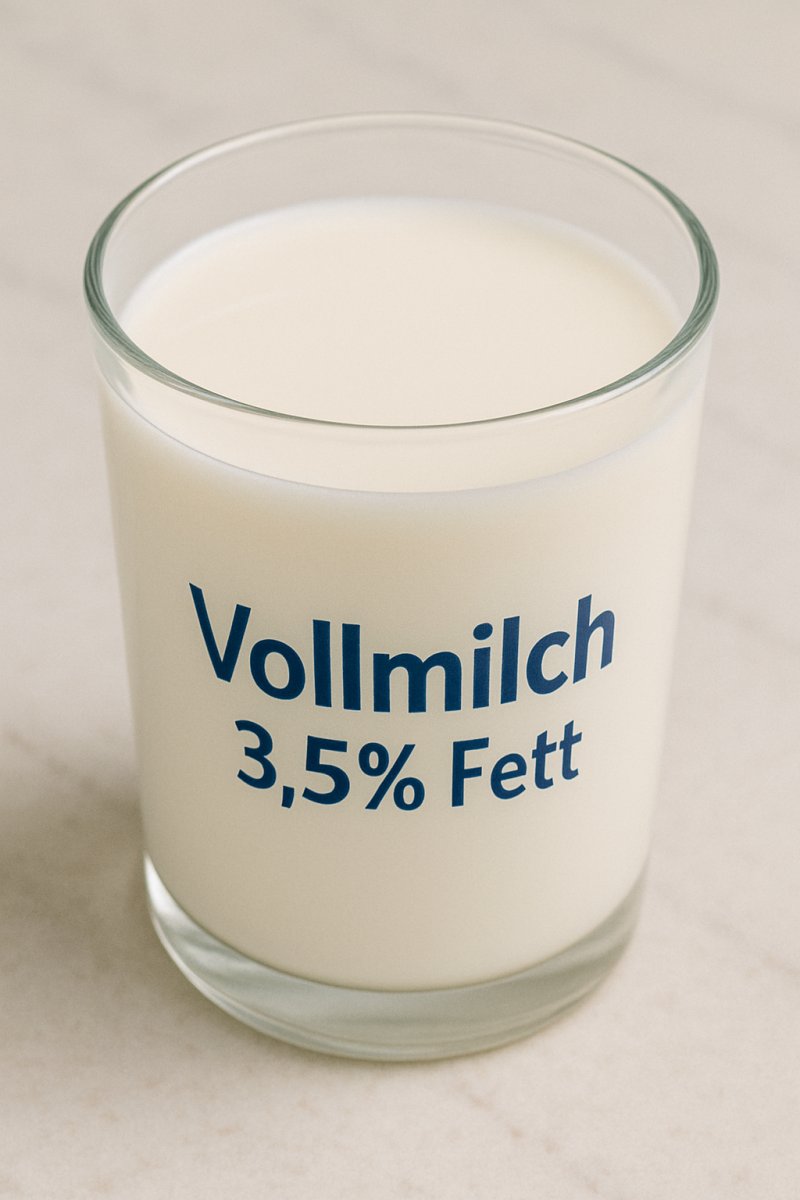
Availability and types of whole milk 3.5% fat
Where does whole milk come from?
Whole milk comes from cows. On farms cows produce milk which is then processed in a dairy. Many countries have their own milk producers: in Germany, Austria and Switzerland these are often small and medium farms, while in other countries there are larger farms. The milk you see in the supermarket can therefore come from very nearby or from another country. Sometimes the packaging says “regional” – that means the milk comes from the surrounding area.
In which regions is it produced?
Milk is produced almost everywhere there is enough grassland or feed for cows. Examples include:
- Central Europe (e.g. Germany, Netherlands, France)
- Scandinavia (Sweden, Denmark)
- Parts of North and South America
- New Zealand and Australia
Depending on the region the milk's taste can vary slightly, because cows eat different grasses or feed. You can think of it like tea: depending on which herbs or leaves you use, the tea tastes different.
What varieties and variants exist?
Whole milk with 3.5% fat is a standard variety, but there are different variants and processing methods. The main ones are:
Whole milk with 3.5% fat is a standard variety, but there are different variants and processing methods. The main ones are:
- Fresh milk (pasteurized): this milk is heated briefly so that fewer microbes remain. This is called pasteurization. It's like washing hands for milk – safer, but the taste stays fresh.
- UHT milk: this milk is treated very briefly at very high temperature, so it remains shelf‑stable for a long time even without refrigeration until opened. This is practical for stocking up.
- Homogenized milk: in this processing the cream is distributed so it does not separate. That means the milk stays evenly creamy – like a well‑stirred hot chocolate.
- Non‑homogenized milk: here a cream layer can form on top, similar to cream. Some people like that because they can remove or use the cream layer.
- Organic milk: this milk comes from cows kept according to specific rules. For example they get more outdoor access and organic feed. The packaging will say “Organic” or show the EU organic logo.
- Hay milk: this is milk from cows that mainly eat hay and grass instead of much silage (fermented feed). Many say it tastes particularly natural.
- Lactose‑free whole milk: here the milk sugar (lactose) is split so people who are lactose intolerant can still drink it.
- Fortified milk: some milk varieties have extra vitamin D or other nutrients added, similar to fortified breakfast cereals.
- Packaging types: whole milk is available in cartons, plastic or glass bottles and in some countries even in pouches. Glass bottles are often more expensive, but look nice and are more reusable.
Whole milk 3.5% fat is what many families know as “regular milk”: it is creamy, suitable for drinking, for cereal and for cooking. Whether you buy long‑life UHT milk or fresh pasteurized milk from the region depends on how you plan to use it and what matters to you – for example regional origin or organic quality.