Menu & categories

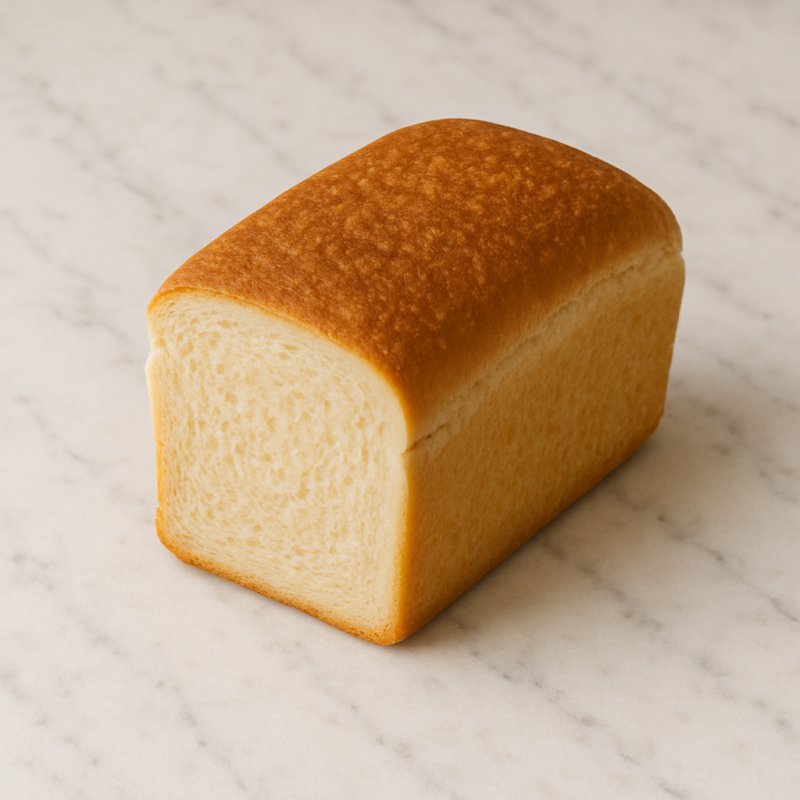
Wheat Toast Bread

Soft, fine-textured bread made from wheat flour for toasting

Wiki about wheat toast bread Nutri-Score D Vegan No Gluten-free No Lactose-free No Nut-free Yes
NUTRITION / 100 g
260 kcal 9 g Protein 48 g Kohlenhydrate 3.5 g Fett

Introduction

Slices of wheat toast bread on a wooden board
I still remember how the scent of freshly toasted wheat bread filled my kitchen on a rainy Sunday afternoon and immediately brought a comforting calm over me. To me, wheat toast bread is not just an ingredient but a small everyday hero: unpretentious, reliable, and surprisingly versatile. It is the bread that accompanies my coffee in the morning, that becomes improvised sandwich creations, and that, when toasted until crisp, turns into something that feels almost like a little celebration on the plate.

What I particularly like is the balance between simplicity and potential. Wheat toast bread is essentially made from a few ingredients: wheat flour, water, yeast, salt, and sometimes a touch of sugar or fat. This simplicity makes it predictable to handle and easy to experiment with. Once I accidentally left a slice in the toaster for too long and created a new favorite side dish: crispy bread topped with a hearty herb quark – a small mishap that became a regular Sunday ritual.

Culinarily, wheat toast bread offers many uses. It is ideal for:

  • classic breakfast sandwiches
  • breading or croutons when it has become dry
  • quick toast variations with Mediterranean toppings
  • pain perdu or sweet French toasts on the weekend
Because of its fine crumb it absorbs flavors well without losing texture. This makes it a perfect carrier for robust spreads as well as delicate pastes. A colleague of mine swears by a combination of goat cheese, honey, and toasted walnuts on dark toasted bread – I tried it and was immediately convinced.

Of course, wheat toast bread also has limits: it is not as flavorful as rustic country bread and can lose character if processed too finely. But this neutrality is often an advantage. It allows me to play with spices, herbs, and textures and turn each slice into a small, personal taste experience.

In the end, wheat toast bread is for me a familiar companion that connects everyday life and enjoyment. It is practical, adaptable, and ready to be discovered – sometimes a single slice is enough to turn an ordinary moment into a surprisingly beautiful one.

Availability & types

Availability and types of wheat toast bread

Wheat toast bread is a common bread made from wheat flour and usually sold in convenient slices that are easy to toast. It is widely available in many countries because wheat is one of the world’s most important cereals. You can find toast bread in supermarkets, bakeries, and sometimes in small local shops. It is available year-round because wheat is grown and stored in large quantities.

Origin and growing regions
Wheat grows in fields. The plant looks like grass with small ears that contain the grains. The largest wheat producers are countries such as China, India, Russia, the USA and in Europe countries like France and Germany. Wheat grows especially well in warm and moderately humid regions. Farmers sow it in autumn or spring depending on the variety, and it needs sun, water and good soil. The grains are harvested, dried and milled into flour, which is then used to bake toast bread.

Available varieties and variants
Toast bread comes in many variants. Some differ only slightly, others are made for specific needs. Here are the main types, simply explained:

  • White toast bread: This is the classic toast bread. It is made from light flour, which comes from the inner part of the wheat grain. It is soft, has a fine crumb (the soft interior) and a thin crust. It toasts well and is good for sandwiches.
  • Whole grain toast bread: Here the whole wheat kernel is used, including the outer layers that contain more fiber and vitamins. It is darker and often has a slightly coarser taste. It is healthier for the gut because it contains more fiber.
  • Multigrain toast bread: This bread contains, in addition to wheat, other grains such as oats, rye, barley or flax seeds. The grains add more flavor, more bite and additional nutrients.
  • Low-carb or high-protein toast bread: For people who want to eat fewer carbohydrates, there are toast breads that contain more protein and less sugar and starch. Oats, soy or nuts are sometimes added.
  • Gluten-free toast bread: Some people cannot tolerate gluten (a protein in wheat). For them there are toast breads made from alternatives such as rice, corn or buckwheat flour. They taste different but are a good alternative.
Packaging and shelf life
Toast bread is usually sold in plastic bags or in cardboard boxes. It stays fresh for several days if stored in a cool, dry place. Many people freeze the bread if they want to keep it longer — then they can take out individual slices and toast them. It is like stopping time so the bread doesn’t get old.

Overall, wheat toast bread is very versatile: there are simple and special variants, it is available almost everywhere and there are types to suit most eating habits. Whether as a sweet breakfast bread with jam or as a savory sandwich – toast bread accompanies us through many meals and adapts well to different tastes.
Details & nutrition

Property Value
Unit g
Average weight per piece 25
Calories per 100 260
Protein per 100 9
Carbohydrates per 100 48
Sugar per 100 4
Fat per 100 3.5
Saturated fat per 100 0.7
Monounsaturated fat 1.4
Polyunsaturated fat 1.0
Fiber per 100 3
Vitamin C (mg) per 100 0
Vitamin D (IU) per 100 0
Calcium (mg) per 100 80
Iron (mg) per 100 1.2
Nutri-Score D
CO₂ footprint 0.7
Origin Europe
Gluten-free No
Lactose-free No
Nut-free Yes
Vegan No
Note Nutritional values for commercial wheat toast bread; exact values may vary depending on brand and recipe (e.g., with milk, sugar, fats).

Technical & scientific information

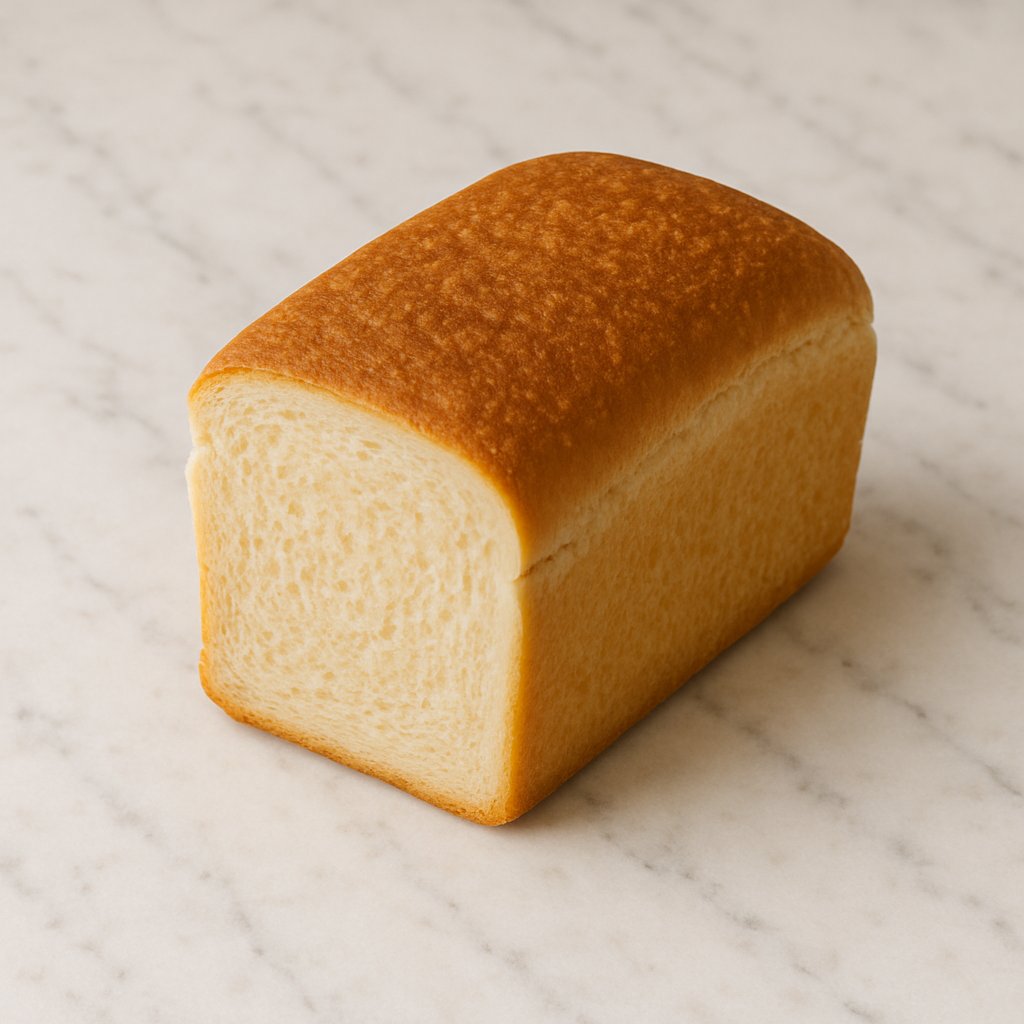
Wheat toast bread refers to an industrially or artisanally produced light bread based on wheat flour that, due to specific formulation and processing, has a fine-pored crumb and a thin, golden-brown crust. It is typical to have relatively high moisture that keeps it fresher longer compared to other bread types and a relatively homogenized structure that facilitates toasting. As an ingredient in kitchens and baked goods it is characterized by its processing-friendly properties and wide availability.

Composition and ingredients
The basic ingredients of wheat toast bread are wheat flour, water, yeast, salt and often fats (e.g., vegetable oil, margarine) as well as sugar or enzymes for dough treatment. In industrial variants, emulsifiers, preservatives, ascorbic acid (as an oxidizing agent) and sourdough or enzyme preparations are often used to improve volume, crumb and shelf-life properties. Chemically, wheat flour consists mainly of carbohydrates (starch, approx. 60–70 %), proteins (especially gluten proteins: gliadin and glutenin, total approx. 10–14 %), lipids (1–2 %), minerals (notably potassium, phosphorus, magnesium) and water-soluble components such as free sugars and enzymes.

Nutritional values
Nutritional values vary according to recipe and additives; typical average values per 100 g are about 250–270 kcal, 8–10 g protein, 3–5 g fat, 45–55 g carbohydrates (including a share of simple sugars) and 2–4 g fiber when using white flour. Whole grain or partly whole grain based toast breads show significantly higher fiber and micronutrient contents.

Baking physics and processing methods
Wheat toast bread is often baked according to the sandwich or Pullman principle in tins that create a compact, even crust. Key process steps are kneading (to develop the gluten network), dividing and shaping (molding into loaf tins), proofing (volume increase by yeast activity) and baking at controlled temperature. During kneading gluten proteins are mechanically networked; this protein network can trap fermentation gases (CO2), forming pores. Enzymes like amylases partially degrade starch and provide fermentable sugars for the yeast, while oxidizing agents stabilize the gluten network.

Sensory and physical properties
The characteristic fine-pored crumb is produced by balanced hydration, kneading intensity and enzyme addition. Texture parameters such as elasticity, resilience and crumb fracture are measurable by rheological tests and porosity analysis instruments. Maillard reactions on the crust surface provide color and aroma compounds during baking, especially when sugars or reducing sugars are present in the dough.

Health aspects
Wheat toast bread is a source of energy that mainly provides readily available carbohydrates. For the general population it is part of a balanced diet; however, specific aspects should be considered:

  • Gluten intolerance and celiac disease: People with celiac disease or non-celiac gluten sensitivity must avoid wheat products because gluten proteins can have immunological or toxic effects.
  • Blood sugar impact: White toast bread usually has a higher glycemic index than whole grain alternatives, which can promote postprandial blood sugar spikes.
  • Sodium content: Due to added salt, toast bread can contribute to daily sodium intake; the amount should be monitored in cases of high blood pressure.
  • Nutrient density: Enriched or fortified products can contain micronutrients such as folic acid, iron or B vitamins; whole grain variants also provide fiber and phytonutrients.
Storage and shelf life
Freshness properties are influenced by water activity, packaging and additives. Preservation methods (e.g., using calcium propionate) and airtight packaging slow mold growth. Stronger retrogradation processes such as starch gelation lead at cool storage to increased firmness (staling), making the toast bread drier and chewier; toasting rehydrates and partly breaks down retrogradation, which is why toasted bread often seems softer again.

Overall, wheat toast bread is a technologically optimized baked product whose properties can be controlled by flour quality, formulation and process management. For consumers differences in fiber content, additives and micronutrients as well as health limitations like celiac disease are relevant, while bakers and food technologists adjust recipes and processes to achieve the desired texture, flavor and shelf life.

Wiki entry for: wheat toast bread
Active now: 17 visitors of which 2 logged-in members in the last 5 minutes