Availability and types of watercress
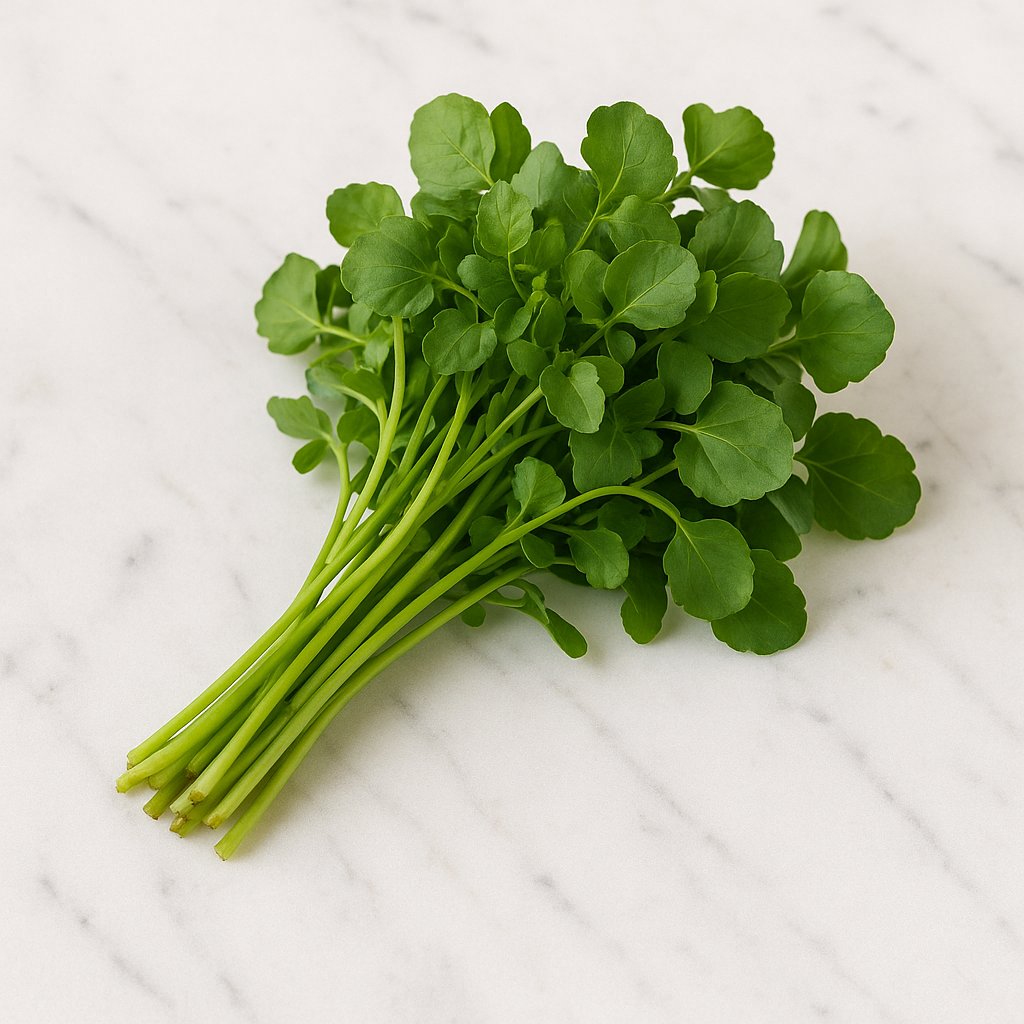
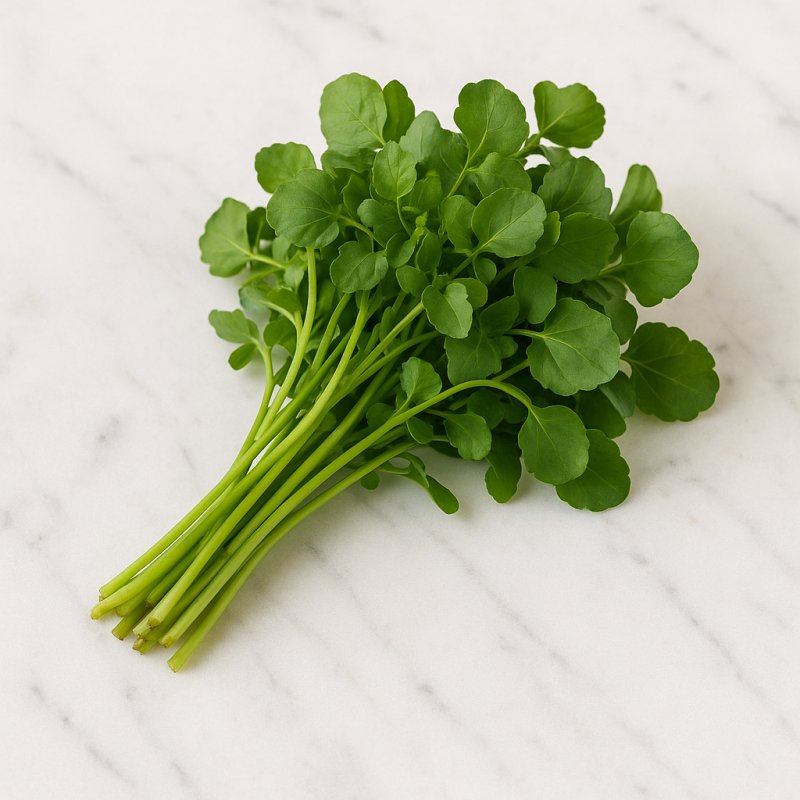
Watercress is a green plant with a fresh, slightly peppery taste that is used in many kitchens as a flavoring or side. It grows naturally in certain places and is also cultivated intentionally. To help you find and distinguish it, I explain origin, growing regions and the different varieties here as simply as possible.
Where does watercress come from?
Watercress originally comes from the wet areas of Europe and parts of Asia. It loves watery places such as streams, springs or standing water — which is why it is called "watercress." In the past people collected it wild along such water edges. Today watercress grows not only in nature but is also farmed so it reaches the table safely and cleanly.
Watercress originally comes from the wet areas of Europe and parts of Asia. It loves watery places such as streams, springs or standing water — which is why it is called "watercress." In the past people collected it wild along such water edges. Today watercress grows not only in nature but is also farmed so it reaches the table safely and cleanly.
In which regions is it cultivated?
Watercress is mainly cultivated in regions that have lots of fresh water and mild temperatures. These include:
Watercress is mainly cultivated in regions that have lots of fresh water and mild temperatures. These include:
- Europe: especially in the United Kingdom, the Netherlands and parts of Germany there are many watercress farms.
- North America: it is also commercially grown in the USA and Canada.
- Asia: in some countries there are local cultivations, often in fresh watercourses.
The packaging in the store sometimes states where the watercress comes from. If you buy it fresh at the supermarket, it often comes from specialized operations that use clean water and ensure the plants are healthy.
What varieties or types exist?
Watercress can be divided into different types that differ slightly in appearance or taste. Here are the main variants explained with simple examples:
Watercress can be divided into different types that differ slightly in appearance or taste. Here are the main variants explained with simple examples:
- Wild watercress: This grows in open waters like streams. It often has a strong flavor and sometimes firmer leaves. You can think of it like apples from the forest — varying in size and intensity of flavor.
- Cultivated watercress: Farmers grow this variety in controlled water beds or even in greenhouses. It is usually milder and more uniform in shape and size. It's like comparing supermarket apples to wild apples: the supermarket apples usually look nicer and more regular.
- Babyleaves / young shoots: These are very young, tender leaves of watercress. They are soft and mild in flavor — good raw in salads or as a garnish.
- More mature plants: Older leaves are larger and have a stronger, sometimes sharper taste. These are often used for cooking because they retain their flavor well.
Fresh, packaged or as seeds?
You will usually find watercress fresh in bunches or packaged in trays at the supermarket. Sometimes it is also available in small pots you can grow at home. Those who want to garden themselves can buy watercress seeds and sow them in a moist bed or a small water container. It's like having a mini-pond in the garden or on the balcony.
You will usually find watercress fresh in bunches or packaged in trays at the supermarket. Sometimes it is also available in small pots you can grow at home. Those who want to garden themselves can buy watercress seeds and sow them in a moist bed or a small water container. It's like having a mini-pond in the garden or on the balcony.
When is it available?
Watercress grows best in cool, moist months, so it is particularly easy to get in spring and autumn. Thanks to cultivation and storage, however, it is often available year-round in markets, especially in regions with professional agriculture.
Watercress grows best in cool, moist months, so it is particularly easy to get in spring and autumn. Thanks to cultivation and storage, however, it is often available year-round in markets, especially in regions with professional agriculture.
In summary: watercress is available wild or cultivated, as young tender leaves or more mature plants, fresh at the supermarket, in pots or as seeds. It grows where there is lots of clean water and is found in many countries in Europe, North America and parts of Asia. Depending on taste and use you can choose the appropriate variety.