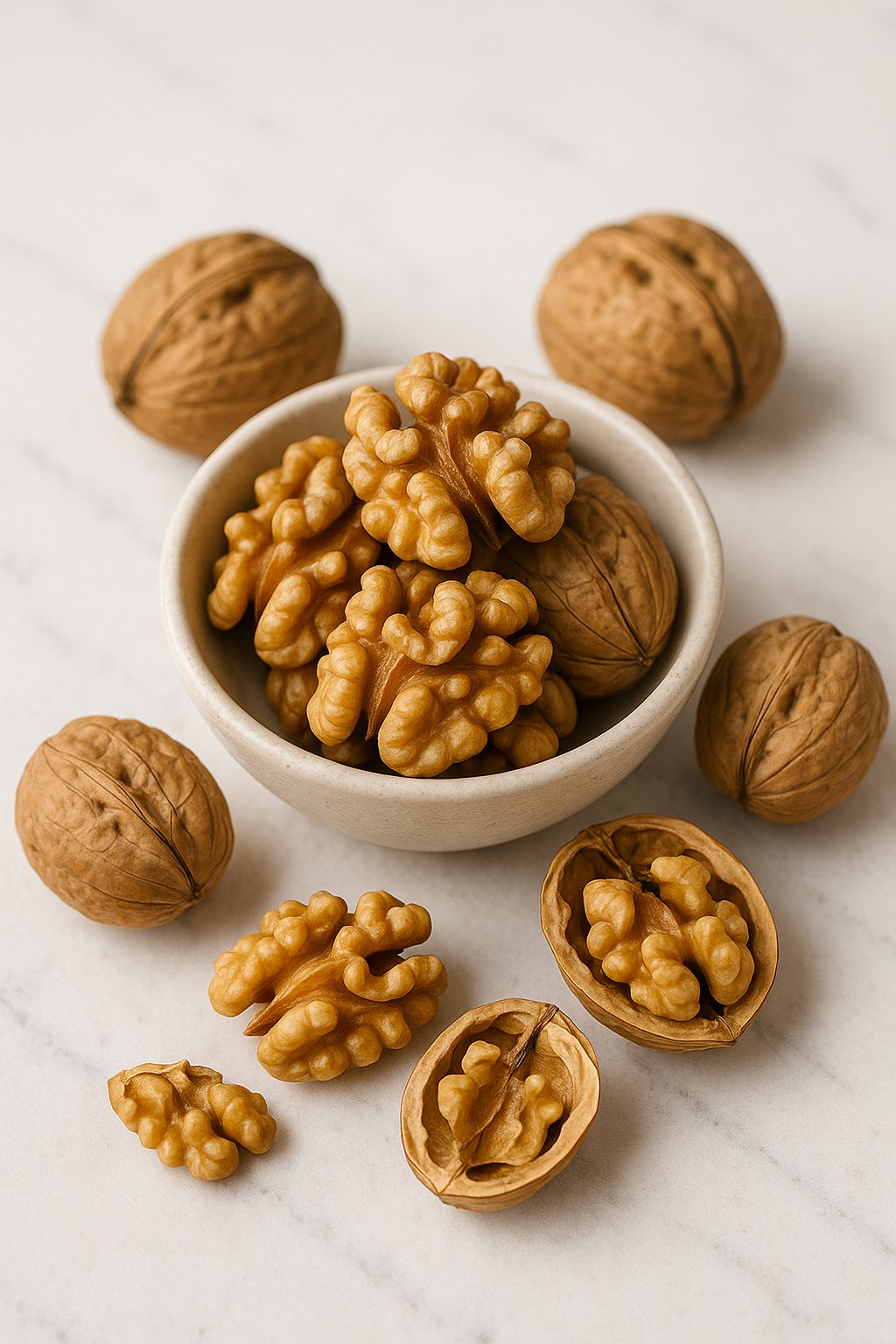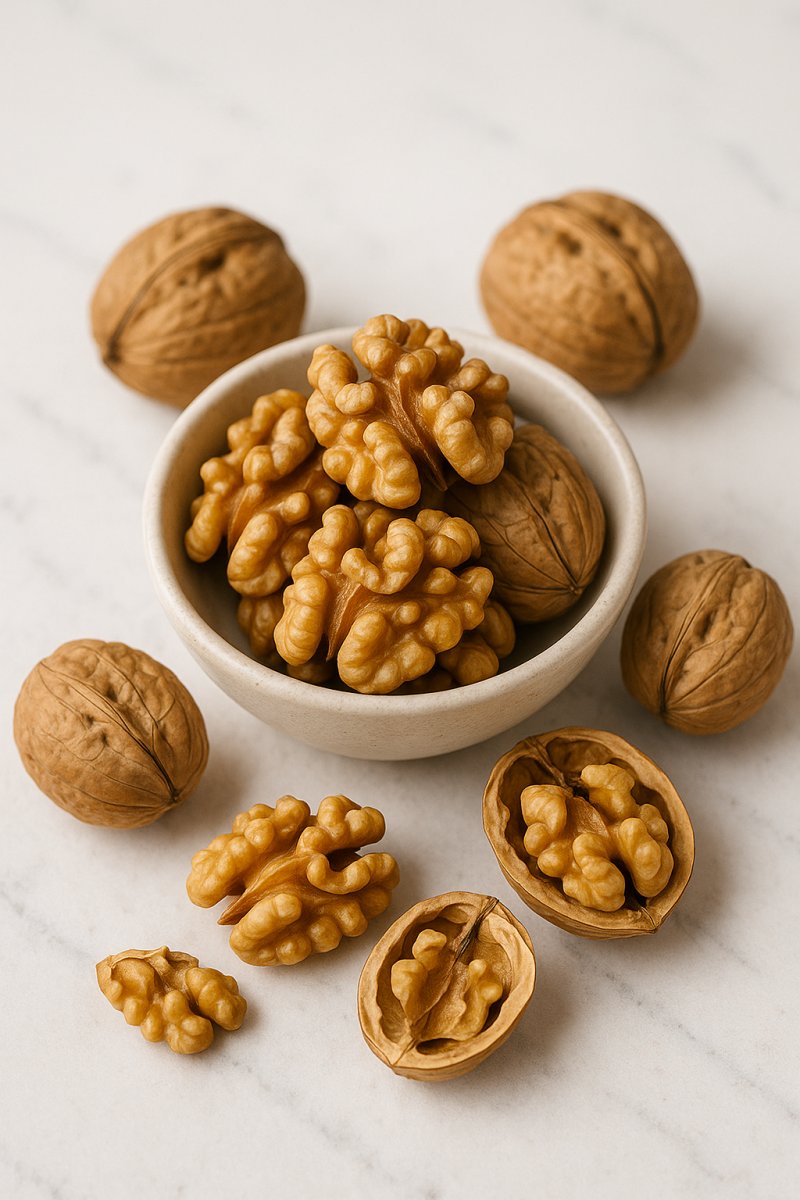
Availability and types of walnuts are easier to understand than they sound. Walnuts grow on trees and are harvested in many countries around the world. You can find them fresh in the shell, as kernels (shelled) or as processed products like chopped, ground or in oil. Here I explain origin, growing regions, different varieties and which variants you'll see in shops – so that even a 12‑year‑old can understand well.
Where do walnuts come from?
Walnuts originally come from regions around the Mediterranean and Central Asia. Today they are cultivated in many parts of the world. The largest producers are countries such as:
- China – a lot of walnuts come from there.
- USA (especially California) – many varieties found in supermarkets grow there.
- Turkey and Iran – traditional growing areas with a long history.
- Europe – countries like Romania, Ukraine or France also grow walnuts.
You can picture the distribution like apples: some countries are large plantations with many trees, others have only a few farms and supply regional nuts.
What types of walnuts are there?
There are two main species you often hear about:
There are two main species you often hear about:
- English walnut (Juglans regia) – this is the variety most people know. It has a milder, nutty flavor and the kernels are often light and easy to eat.
- Black walnut (Juglans nigra) – this one is rarer in commerce but has a strong, spicy aroma. It is often used in cakes or as a special ingredient.
Within the English walnut there are many cultivars (varieties), similar to apple varieties. Well‑known cultivars include, for example:
- Chandler – popular in California, produces large, attractive kernels.
- Hartley – a traditional variety with good flavor.
- Franquette – common in Europe, a bit crisper.
- Serr – another variety grown in plantations.
Which variants will you find in the shop?
In the supermarket or market you see walnuts in different forms:
In the supermarket or market you see walnuts in different forms:
- In shell – like small brown eggs. They keep long but are a bit tedious to crack.
- Chopped or whole kernels – already shelled, convenient for snacking or baking.
- Halved kernels – look nice on salads or cakes.
- Roasted, salted or candied – sweet or savory snacks.
- Walnut oil – pressed from the kernels, good for dressings or flavoring.
- Organic vs conventional – organic walnuts are grown under strict rules without certain pesticides.
Walnuts are available year‑round because they keep well. Fresh in‑shell nuts are often especially easy to find in autumn after the harvest. Shelled kernels are packaged and remain fresh for a long time if stored cool and dark. So you can almost always get some in the shop, no matter the season.