Availability and types
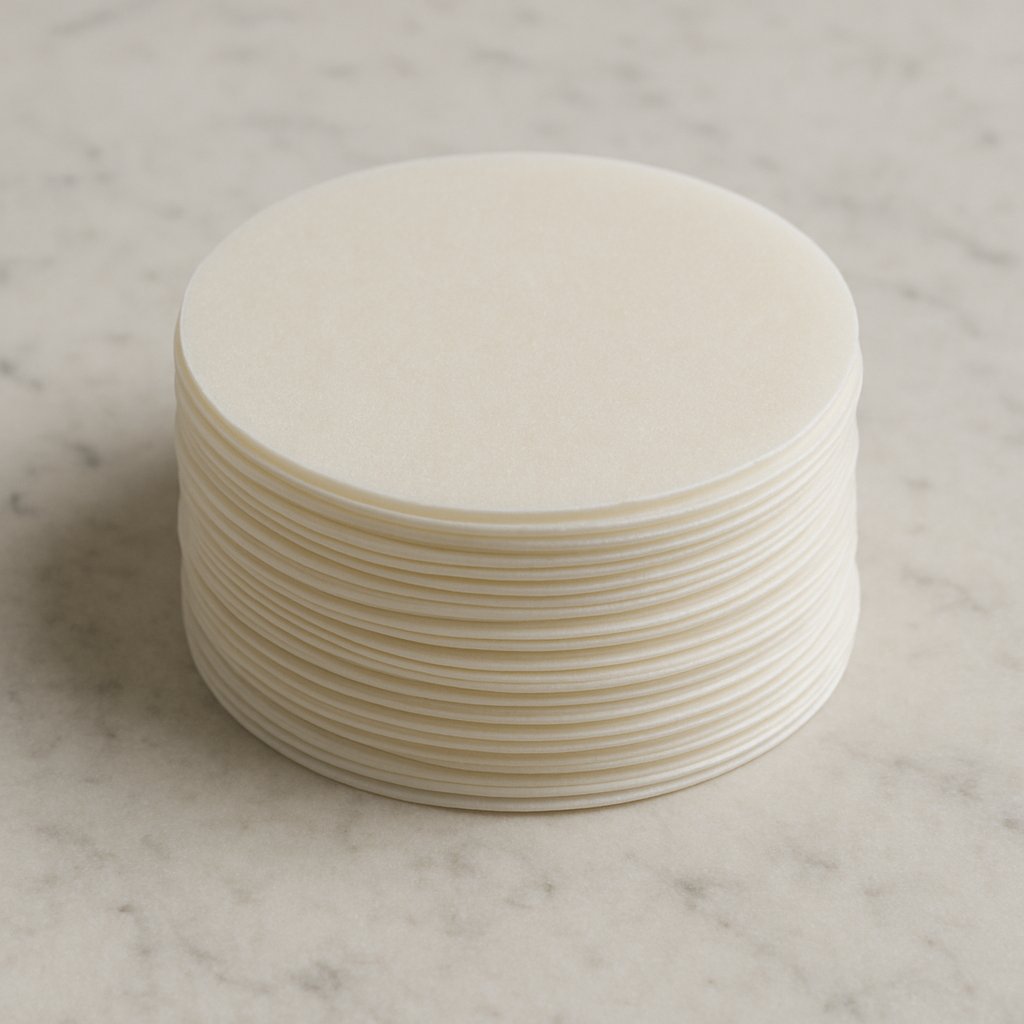
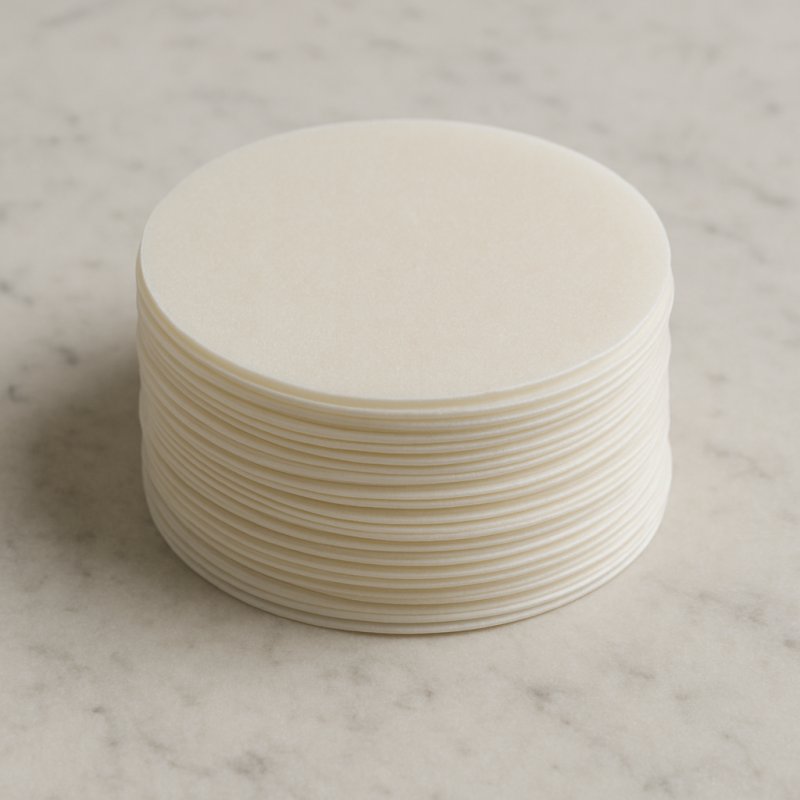
Baking wafers are thin, round wafers made from fine wheat or rice flour and are often used to protect candies, pastries or the bottoms of spirit bottles. They are easy to find in many supermarkets, bakery shops and online. You can sometimes spot them on the same shelf as baking paper or cake accessories. In smaller shops they are sometimes particularly visible only during Advent or Christmas time, because many cookies are baked then. Online shops and larger specialist baking stores, by contrast, have a wider selection year-round.
The origin of baking wafers is straightforward: they are manufactured in bakeries and small artisan producers. These businesses use simple ingredients like flour, water and sometimes a little oil or sugar. Historically wafers come from Europe and the Near East, where similar thin baked goods have long been known. Today they are produced in many countries, especially where a lot of baking takes place.
Growing regions and raw materials
Baking wafers themselves do not grow in fields, since they are not plants but flour-based products. But the flour used for wafers of course comes from cereals. The main cereals for wafers are:
- Wheat: Wheat is grown in many countries – major producing regions include Europe, North America and parts of Asia. Wheat flour makes wafers elastic and light.
- Rice: Rice flour is used particularly where gluten-free wafers are desired. Rice is grown mainly in Asia, for example in China, India and Southeast Asia.
- Corn: Sometimes corn flour is also used, specifically for certain regional recipes or for people who cannot tolerate wheat.
You can picture it like this: wafers are like very thin pancakes, but instead of growing on the farm they come from the mill (the flour) and then to the bakery, where they are baked.
Available types and variants
Baking wafers come in different shapes and properties so they suit different purposes. Here are some common types:
- Standard wafers: Round, very thin discs made from wheat flour. These are the best known and are used for pralines, gingerbread or as supports under bottles.
- Gluten-free wafers: Made from rice or corn flour. They look almost identical to regular wafers but are ideal for people who cannot tolerate gluten. You can compare them to lactose-free milk compared to regular milk.
- Preformed wafers: Sometimes there are wafers with grooves or shapes that fit specific sweets directly. This saves cutting or punching out shapes.
- Coated wafers: Some wafers have a thin coating of fat or sugar so they do not absorb moisture so easily and remain crispy longer. This is similar to a small protective layer.
- Colored or flavored: Rare, but possible: wafers with dyes or a light flavor, such as vanilla. These are usually used for special decorations.
When buying you can also pay attention to size: there are very small wafers for pralines and larger ones for pastry pieces. A handy way to remember: wafers are like the “plates” or “coasters” for sweets — in different sizes and materials depending on what you need.
In summary: baking wafers are readily available, made from flour cultivated in many countries, and come in several variants – from regular wheat wafers to gluten-free and specially coated types. This way you can find a suitable wafer for almost any baking project.