Menu & categories

Venus clams

Lean, protein-rich clam meat from the sea

Wiki about Venus clam Nutri-Score A Vegan No Gluten-free Yes Lactose-free Yes Nut-free Yes
NUTRITION / 100 g
80 kcal 14 g Protein 3 g Kohlenhydrate 1.5 g Fett

Introduction

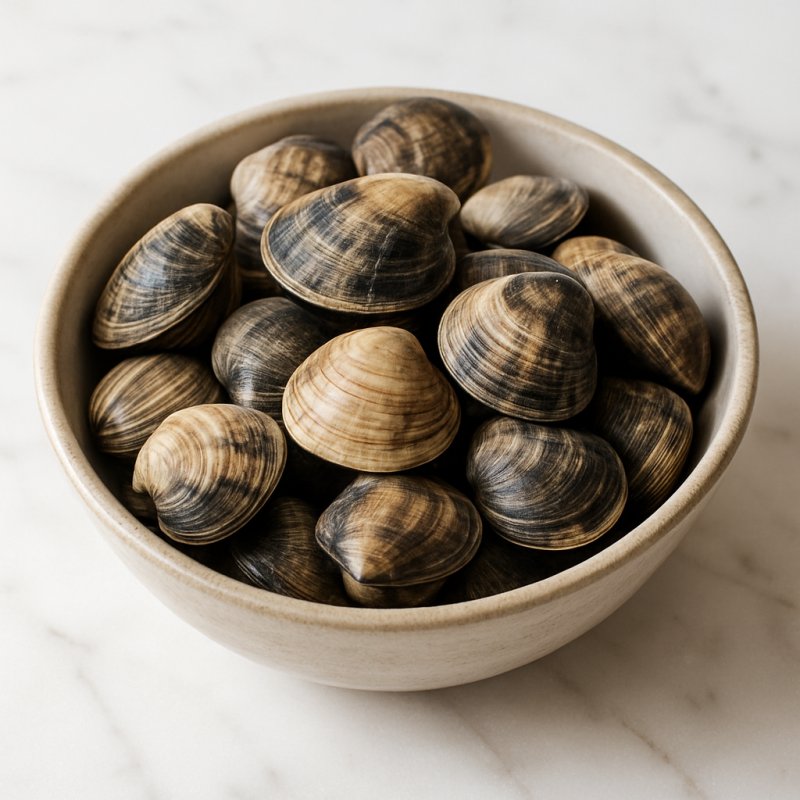
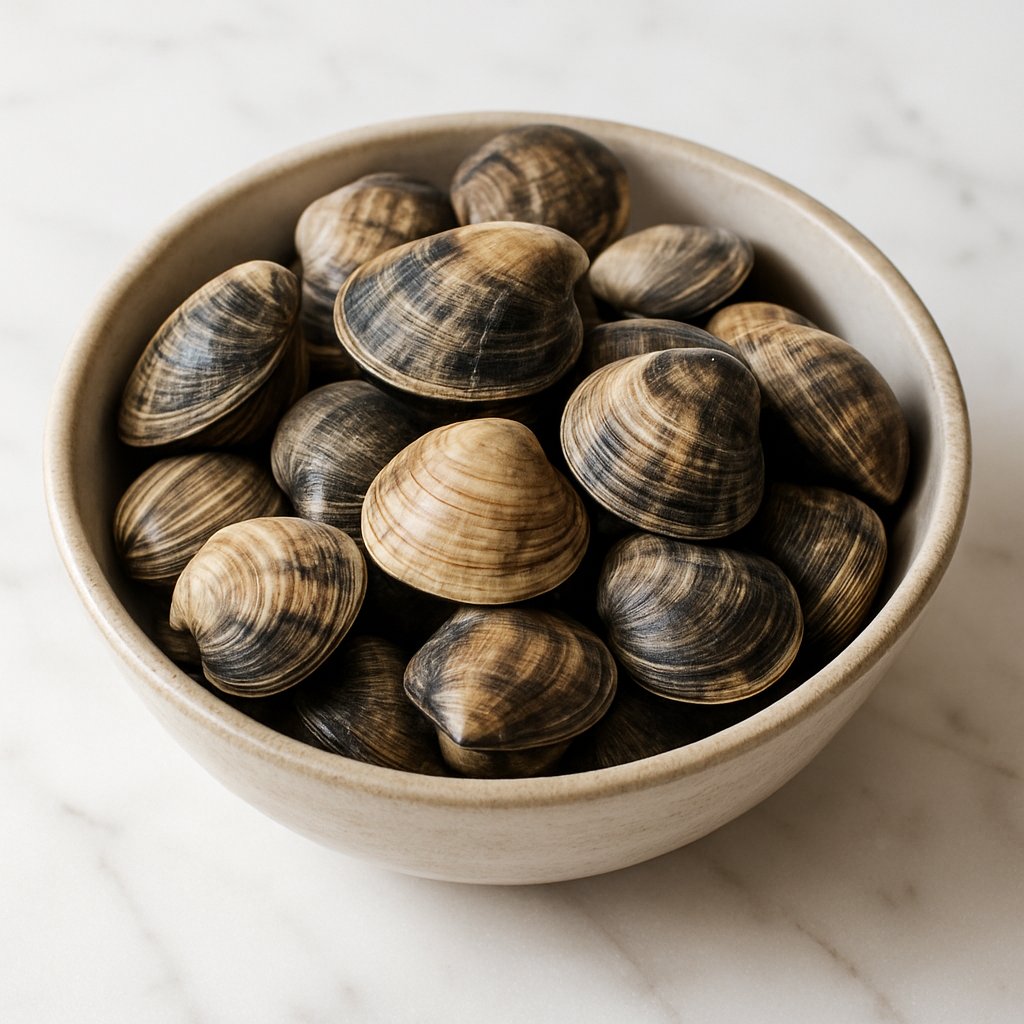
Fresh Venus clams in their shells
I have a particular weakness for seafood, and Venus clams have been among my favorite ingredients for years. The first time I tried them I was in a small coastal town; a friend served them in a stone-pot sauce, and the scent of garlic, white wine and salty sea air already told me I had discovered something special. Since then Venus clams have been for me a synonym of simple yet refined cooking that is quick to prepare and still makes an impression.

Venus clams are delicate bivalves with a slightly sweet marine note that hold up wonderfully in many dishes. They can be briefly steamed, tossed into pasta, added to soups or simply served with a little lemon juice and parsley. I still remember a rainy evening when I spontaneously made a small pan of clams: just oil, garlic, a pinch of chili and a splash of white wine. Guests gathered around the stove and praised how intense and at the same time subtle the flavors were.

Over the years I have learned practical tips, often the hard way. Venus clams need fresh air and cold water; if they smell slimy or remain open, caution is advised. I sort them before cooking and rinse them thoroughly, sometimes overnight in salt water so sand and dirt are flushed from the shells. A colleague of mine once nearly lost his patience when opening a very stubborn clam; since then we both always carry a small brush and are ready to listen to skeptical fellow cooks.

In terms of taste, Venus clams pair with a surprisingly wide range: fresh herbs, citrus notes or even creamy sauces bring out their fine aroma, while heavy spices tend to overpower them. When I have guests I often serve them with crusty bread so no one misses out on licking the delicious sauce. Even in simple recipes they are little stars.

I enjoy experimenting with this ingredient and am always pleased when someone who was initially skeptical enthusiastically admits how tasty Venus clams are. They remind me that good ingredients do not need much, just attention, respect and a little love in preparation.

Availability & types

Availability and types of Venus clams

Venus clams are small, edible clams found in many cuisines around the world. When you see them, they look like small, smooth shells, often round or oval. Their shells can have different colors – white, brown, gray or even slightly patterned. The most important thing is: Venus clams live in the sea and are collected or farmed so that we can eat them.

Where do Venus clams come from?
Venus clams mostly grow in shallow marine areas, on beaches or in river mouths. There they bury themselves in sand or silt and remain partially covered to stay protected. Many countries harvest them directly from the wild, others cultivate them. Common countries of origin include Spain, France, Portugal, Italy and parts of Asia. In Germany and other European countries you will often find Venus clams imported from these regions.

Farming and fishing areas
There are two main ways Venus clams reach us:

  • Wild catch: People go to the beach or out on boats and collect the clams directly from nature. It is similar to picking mushrooms in the forest. Wild catch can be very sustainable if done carefully, or harmful if too many clams are taken at once.
  • Aquaculture (clam farming): In aquaculture the clams are grown in special areas. It's a bit like a farm in the water. The clams are kept there in nets or on sand flats until they are large enough. This helps protect wild stocks and ensures more consistent quality.
Which varieties and types exist?
Venus clams are a group of different species that can differ in size, shape and taste. Some well-known varieties are:

  • Vongole (Italian): These small clams are often used in pasta with a light white wine sauce. They are tender and have a gentle flavor.
  • Venus clams: A general term for several species that look similar and are used similarly. They are versatile and can be cooked, steamed or used in soups.
  • Local variants: Different countries have their own slightly different species. For example, a variety in Spain may be a little larger than a variety in France. It's similar to apples – some are sweet, others more tart.
Fresh, frozen or preserved?
You can buy Venus clams fresh, sometimes still alive in nets or bags. Live clams are a good sign – they are fresher and safer to eat. They are also available frozen or canned/preserved. Frozen products are convenient because they keep for a long time; canned goods are quick and easy to use. Fresh clams often have the best flavor, but processed options are handy for quick dishes.

Tips for selecting
When buying, make sure the shells are closed or close when touched. Open shells can be a sign that the clam is no longer fresh. If they smell pleasantly of the sea, that is a good sign; an unpleasant odor means they may be spoiled.

In summary: Venus clams come from marine areas and are either collected in the wild or farmed. There are different varieties that differ in shape and taste. You can buy them fresh, frozen or canned – and when shopping look for closed, fresh shells. That way you will find the right clam for your recipe or your next seafood dish.
Details & nutrition

Property Value
Unit g
Average weight per piece 20
Calories per 100 80
Protein per 100 14
Carbohydrates per 100 3
Sugar per 100 0
Fat per 100 1.5
Saturated fat per 100 0.3
Monounsaturated fat 0.2
Polyunsaturated fat 0.5
Fiber per 100 0
Vitamin C (mg) per 100 8
Vitamin D (IU) per 100 80
Calcium (mg) per 100 60
Iron (mg) per 100 13
Nutri-Score A
CO₂ footprint 1.8 kg CO2e/kg
Origin Coastal waters, especially the Mediterranean and the Atlantic
Gluten-free Yes
Lactose-free Yes
Nut-free Yes
Vegan No
Note Nutritional values refer to cooked, shelled Venus clams without added salt. May contain traces of other seafood, depending on catch and processing operations.

Technical & scientific information

Venus clams (family Veneridae and related taxa) are edible marine bivalves found in shallow coastal waters worldwide. Morphologically they are characterized by a usually round to oval shell with radial or concentric ornamentation; the shells are bilaterally symmetrical and close with a simple ligament. Ecologically, Venus clams inhabit sandy and muddy bottoms, bury themselves using their foot and filter plankton and organic particles from the sediment water.

Chemical composition and constituents
The shell is composed mainly of calcium carbonate (CaCO3) in the form of aragonite or calcite, embedded in an organic matrix of proteins and polysaccharides that gives the shell toughness. The soft tissue consists largely of water (typically 70–80 % of fresh weight). Dry matter is made up of proteins, lipids, carbohydrates, minerals and traces of nucleic acids. Typical minerals include calcium, magnesium, iron and zinc. Venus clams also contain vitamins, especially B vitamins like B12, as well as bioactive peptides and free amino acids that influence their characteristic taste.

Nutritional values
Per 100 grams of edible portion, Venus clams typically provide about 70–100 kcal, 10–15 g protein, 1–3 g fat and a few grams of carbohydrates. The protein content is of high quality with a complete amino acid profile that includes essential amino acids such as lysine and methionine. Fatty acids are predominantly polyunsaturated, including notable amounts of omega‑3 fatty acids (EPA and DHA) in moderate quantities, depending on species, season and food availability.

Processing methods
Before consumption Venus clams are usually thoroughly cleaned to remove sand and suspended matter. Common methods include prolonged rinsing, saltwater "purging" and mechanical cleaning of the shell. Cooking steps include braising, boiling, steaming or quick sautéing; prolonged heating can make the texture tough. In the food industry clams are sometimes pasteurized, frozen or processed into canned products. In industrial processing it is important to control microbiological parameters (e.g. Vibrio spp., E. coli) as well as the management of toxins and contaminants.

Health aspects
Venus clams are a nutrient-rich food source but can also carry risks. Positives include their high protein content, micronutrients such as iron and vitamin B12 and omega‑3 fatty acids, which can support cardiovascular benefits. Risks include microbiological contamination (e.g. Vibrio parahaemolyticus), biotoxins from algal blooms (e.g. Paralytic Shellfish Poisoning, PSP) and accumulation of heavy metals such as cadmium or mercury. The burden varies with collection site, environmental conditions and seasonal events. Therefore traceability, monitoring of toxin levels and adherence to hygiene standards are essential.

Hygiene and storage
Fresh Venus clams should be alive and have shells that are closed or close to the touch. After harvesting cold storage (0–4 °C) is necessary to extend shelf life; prolonged storage leads to quality loss and increased spoilage. Freezing is a safe method of preservation, although thawing can lead to loss of fluids and changes in texture.

Ecological and regulatory aspects
Commercial use of Venus clams includes wild-caught stocks and aquaculture. Sustainability depends on fishing methods, stock monitoring and habitat management. Poor practices can cause sediment disturbance, bycatch and stock pressure. Many countries regulate fishing seasons, minimum sizes and contaminant limits to protect consumers and stock health.

In summary, Venus clams are a nutritious and valued ingredient whose quality and safety depend strongly on environmental conditions, harvesting and processing practices. Scientific control of toxins, microbiological load and heavy metals, as well as appropriate storage and processing methods, are crucial to minimize health risks and secure nutritional benefits.

Wiki entry for: Venus clam
Active now: 24 visitors of which 2 logged-in members in the last 5 minutes