Menu & categories

Vanilla pudding

Creamy milk-based dessert with vanilla flavor

Wiki about vanilla pudding Nutri-Score D Vegan No Gluten-free Yes Lactose-free No Nut-free Yes
NUTRITION / 100 g
100 kcal 3.0 g Protein 16.0 g Kohlenhydrate 2.5 g Fett

Introduction

Bowl with creamy vanilla pudding
I still clearly remember the smell that came from the school kitchen when we made vanilla pudding: warm, creamy and instantly comforting. For me, vanilla pudding is more than just a dessert; it is an ingredient with character that has a place both in childhood memories and in modern dessert creations. It combines simplicity and elegance in a wonderful way and can be enjoyed on its own or used as a base for more refined compositions.

When I think of vanilla pudding, these qualities immediately come to mind:

  • Creaminess: The velvety texture is what it all comes down to. It is created by the interplay of milk, starch and heat.
  • Versatility: Pudding can be licked plain, combined with fruit or used as a layer in cakes.
  • Comfort factor: A spoonful can comfort and reminds of home, often without much effort.
Once, at a Sunday brunch, I demonstrated to a friend how to turn simple vanilla pudding into an impressive dessert: layer the pudding, complement it with cookie crumbs and caramelized nuts, a touch of lemon — and everyone wanted the recipe. Such small experiments show how adaptable this ingredient is. At another time I visited a café where the pudding was artfully served in glasses, with a pinch of sea salt on top; this combination of sweet and salty opened new doors for me.

When preparing it, I care about quality: real vanilla pods instead of artificial flavors, fresh milk and a fine starch so that the consistency is right. I have learned to stir attentively and keep an eye on the temperature, because cooking too strongly can ruin the texture. At the same time I love the small liberties — a splash of cream here, an egg yolk there — that give the pudding a personal touch.

Vanilla pudding tells stories: of family recipes, spontaneous dessert happiness and culinary exploratory spirit. It is down-to-earth and yet refined, uncomplicated and full of possibilities. For me it remains one of the ingredients you should always have in your repertoire — ready to comfort, surprise or turn a simple dessert into something special.

Availability & types

Availability and Types

When we talk about vanilla pudding, many first think of ready-made puddings from the supermarket, which come as powder to be mixed or already prepared in cups. But the word covers several variants: there are puddings made with real vanilla and those produced with vanilla flavoring. Real vanilla comes from a climbing plant, the vanilla orchid, which grows mainly in tropical regions. Major growing areas are countries like Madagascar, Indonesia, Mexico and some islands in the Indian Ocean. Madagascar supplies a lot of vanilla and is well known for its mild, sweet scent.

Vanilla pudding can be divided into different groups. Here are the main types and variants so you know what you can find in the shop or in the kitchen:

  • Pudding powder to mix: This is a dry mix that you must heat with milk. It is convenient, has a long shelf life and is quick to make. Some powder mixes contain real vanilla or vanilla specks (small black dots), others only artificial vanilla flavor.
  • Ready pudding in a cup: Already prepared and ready to eat. Good if you have no time or no stove. Taste can vary from very vanilla-flavored to rather mild.
  • Homemade vanilla pudding: Here milk, sugar, starch (like corn or potato starch), egg yolk or eggs and real vanilla pod are used. This is the freshest and often the tastiest variant because the whole vanilla pod is used.
  • Vegan variants: For people who do not eat milk or eggs, there are puddings made with plant milks (e.g. soy, oat or almond) and plant-based thickeners. They taste similar but can have a slightly different texture.
  • Finally: vanilla flavor vs. real vanilla specks: Many cheap products use synthetic vanilla flavor (usually vanillin). It is cheap and smells like vanilla, but not as complex in taste. Real vanilla specks come from the seeds in the pod and have tiny black dots; they taste more intense and natural.
The availability of vanilla pudding also depends on price and seasonal factors. Real vanilla is an expensive spice because the flowers often have to be pollinated by hand and the pods require long drying. If the price of vanilla on the world market rises, products with real vanilla become more expensive or manufacturers use artificial flavor more often. That's why you find many price ranges and brands in the supermarket: cheap variants usually with flavoring, more expensive ones with real vanilla extract or even vanilla pod.

Simply put: if you want a very rich, natural flavor look for products with vanilla specks or for pudding made with real vanilla pod. If you prefer practical and inexpensive, powders or ready cups with vanilla flavor are a good choice. For allergy sufferers or vegans there are plant-based alternatives. This way everyone can find the suitable variant — depending on whether they value taste, price or ingredients.
Details & nutrition

Property Value
Unit g
Calories per 100 100
Protein per 100 3.0
Carbohydrates per 100 16.0
Sugar per 100 12.0
Fat per 100 2.5
Saturated fat per 100 1.6
Monounsaturated fat 0.7
Polyunsaturated fat 0.1
Fiber per 100 0.0
Vitamin C (mg) per 100 0.0
Vitamin D (IU) per 100 40
Calcium (mg) per 100 110
Iron (mg) per 100 0.1
Nutri-Score D
CO₂ footprint 1.2
Origin EU
Gluten-free Yes
Lactose-free No
Nut-free Yes
Vegan No
Note Information refers to vanilla pudding prepared in the classic way from cow's milk and sugar; formulations of ready-made products may vary.

Technical & scientific information

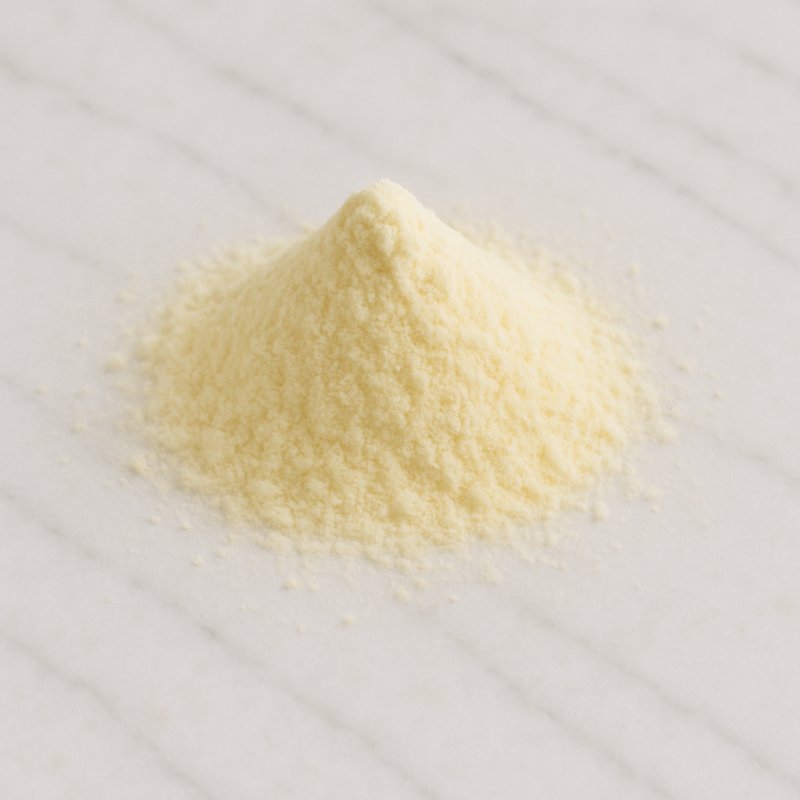
Vanilla pudding denotes a creamy food product that is characterized flavor-wise by vanilla and functionally by starch or other thickeners. Traditionally, vanilla pudding is produced by heating a mixture of milk, sugar and a binding agent, with flavor and optionally egg yolk contributing taste, color and texture. Commercial powdered products simplify preparation by providing starch, sweeteners, flavorings and stabilizers in mixed form.

Composition and ingredients
The main components of homemade vanilla pudding are milk (water, milk proteins, milk sugar/lactose, fat), sugar (sucrose or alternative sweeteners), starch (usually corn or wheat starch) and vanilla flavor (real vanilla pod or vanillin). Optionally, egg yolks (rich in phospholipids and proteins), butter or cream are used to improve mouthfeel. Industrial variants additionally contain thickening and gelling agents such as modified starches, carrageenan, locust bean gum or gelatin, as well as emulsifiers, acidity regulators and preservatives.

Chemical and physical fundamentals of gelation
Common texture formation is based on the swelling and gelatinization of starch. When heated, starch granules absorb water, swell and partially break down, releasing amylose molecules. Amylose forms a network upon cooling that immobilizes water and creates a viscoelastic matrix. Proteins from milk or egg yolk can influence the structure through interactions with starch and denaturation under heat. Emulsifiers stabilize fat droplets in the continuous phase and improve homogeneity. Temperature and shear rate during heating determine the degree of gelatinization and thus the final consistency.

Nutrition and energy density
Nutritional profiles vary widely depending on the recipe. A classic milk-based vanilla pudding provides mainly carbohydrates (lactose and added sugar) and moderate amounts of fat and protein. Per 100 g, homemade pudding typically contains between 80 and 120 kcal, 2–4 g protein, 2–6 g fat and 12–18 g carbohydrates. Powdered products can contain higher sugar contents or different fat variants, and light products use sweeteners to reduce calorie content. Micronutrients come mainly from milk (calcium, phosphorus, vitamin B12) and possibly added vitamins.

Processing methods
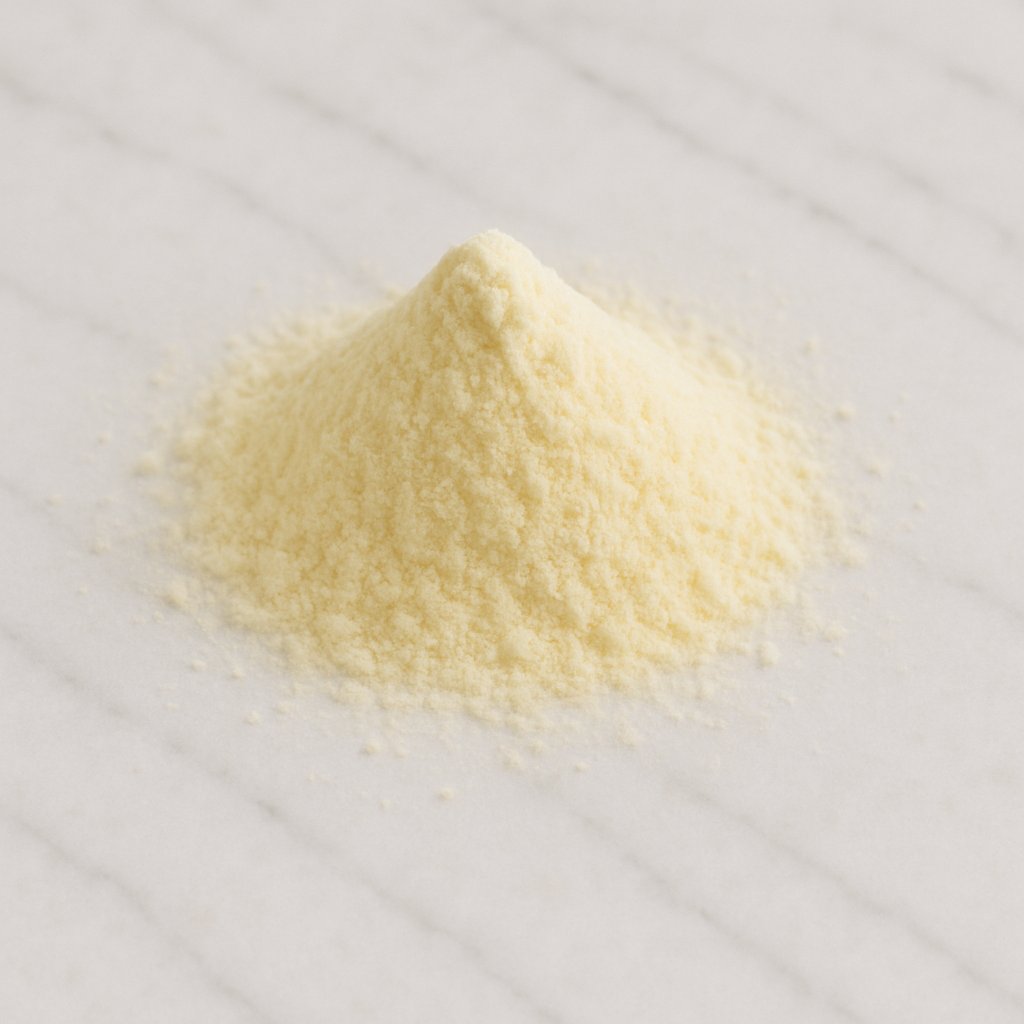
Preparation steps include mixing the dry components, tempering with cold or warm milk and controlled heating with stirring to achieve lump-free gelatinization. Industrial manufacturing methods use continuous heaters, homogenizers and aseptic filling to extend shelf life and ensure uniform texture. Spray-drying is used to produce instant pudding powders; homogeneous liquids are turned into a fine powder that should re-gel upon reconstitution.

Sensorics and quality
Essential quality parameters are taste (especially vanilla intensity), color, smell, texture (creaminess, firmness, pour behavior) and mouthfeel. Sensory defects can be caused by overheating (cooked flavor), incomplete gelatinization (grainy texture) or enzymatic reactions in raw materials. The choice of vanilla form influences the aroma profile: vanilla pods deliver a complex bouquet of numerous aroma compounds, while synthetic vanillin gives a more dominant, easier to reproduce aroma.

Health aspects
Vanilla pudding is harmless when consumed in moderation and can provide nutrients such as calcium. Health-relevant aspects mainly concern sugar content and energy density, which in excessive consumption can contribute to weight gain. For people with lactose intolerance, lactose-free milk alternatives or plant-based thickeners are practical options. For allergies to egg, milk or gluten, appropriate recipe adjustments are required. Preservatives and additives in industrial products should be noted by sensitive individuals.

Overall, vanilla pudding is a technically simple but chemically interesting food whose properties are modulated by the interactions of starch, proteins, fats and aroma. By varying the recipe and processing, texture, flavor and nutritional value can be specifically adjusted, so that this product can be used both in home kitchens and in industrial production.

Wiki entry for: vanilla pudding
Active now: 11 visitors of which 2 logged-in members in the last 5 minutes