Availability and Types
When we talk about vanilla pudding, many first think of ready-made puddings from the supermarket, which come as powder to be mixed or already prepared in cups. But the word covers several variants: there are puddings made with real vanilla and those produced with vanilla flavoring. Real vanilla comes from a climbing plant, the vanilla orchid, which grows mainly in tropical regions. Major growing areas are countries like Madagascar, Indonesia, Mexico and some islands in the Indian Ocean. Madagascar supplies a lot of vanilla and is well known for its mild, sweet scent.
Vanilla pudding can be divided into different groups. Here are the main types and variants so you know what you can find in the shop or in the kitchen:
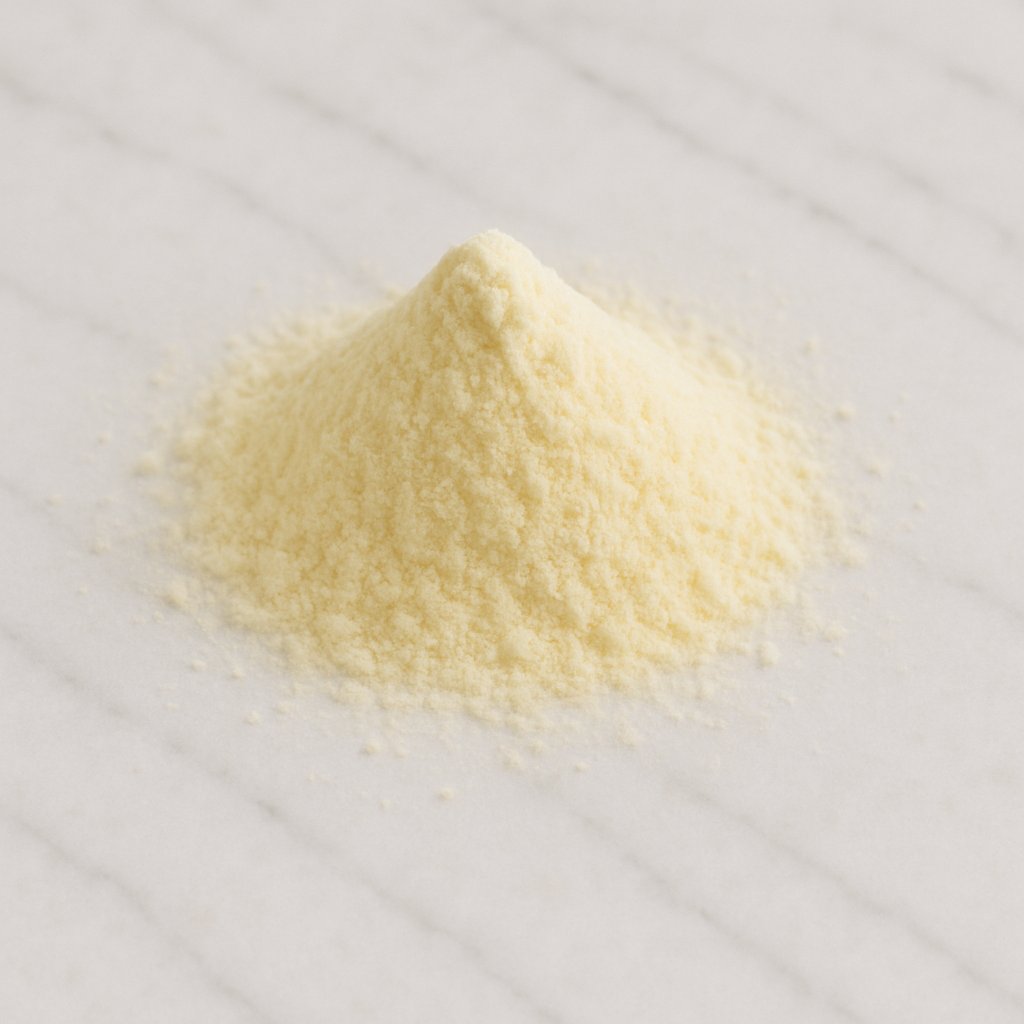
- Pudding powder to mix: This is a dry mix that you must heat with milk. It is convenient, has a long shelf life and is quick to make. Some powder mixes contain real vanilla or vanilla specks (small black dots), others only artificial vanilla flavor.
- Ready pudding in a cup: Already prepared and ready to eat. Good if you have no time or no stove. Taste can vary from very vanilla-flavored to rather mild.
- Homemade vanilla pudding: Here milk, sugar, starch (like corn or potato starch), egg yolk or eggs and real vanilla pod are used. This is the freshest and often the tastiest variant because the whole vanilla pod is used.
- Vegan variants: For people who do not eat milk or eggs, there are puddings made with plant milks (e.g. soy, oat or almond) and plant-based thickeners. They taste similar but can have a slightly different texture.
- Finally: vanilla flavor vs. real vanilla specks: Many cheap products use synthetic vanilla flavor (usually vanillin). It is cheap and smells like vanilla, but not as complex in taste. Real vanilla specks come from the seeds in the pod and have tiny black dots; they taste more intense and natural.
The availability of vanilla pudding also depends on price and seasonal factors. Real vanilla is an expensive spice because the flowers often have to be pollinated by hand and the pods require long drying. If the price of vanilla on the world market rises, products with real vanilla become more expensive or manufacturers use artificial flavor more often. That's why you find many price ranges and brands in the supermarket: cheap variants usually with flavoring, more expensive ones with real vanilla extract or even vanilla pod.
Simply put: if you want a very rich, natural flavor look for products with vanilla specks or for pudding made with real vanilla pod. If you prefer practical and inexpensive, powders or ready cups with vanilla flavor are a good choice. For allergy sufferers or vegans there are plant-based alternatives. This way everyone can find the suitable variant — depending on whether they value taste, price or ingredients.