Menu & categories

Vanilla ice cream

The most popular ice cream with a delicate vanilla flavor.

Wiki about vanilla ice cream Nutri-Score C Vegan No Gluten-free Yes Lactose-free No Nut-free Yes
NUTRITION / 100 ml
207 kcal 3.5 g Protein 23 g Kohlenhydrate 11 g Fett

Introduction

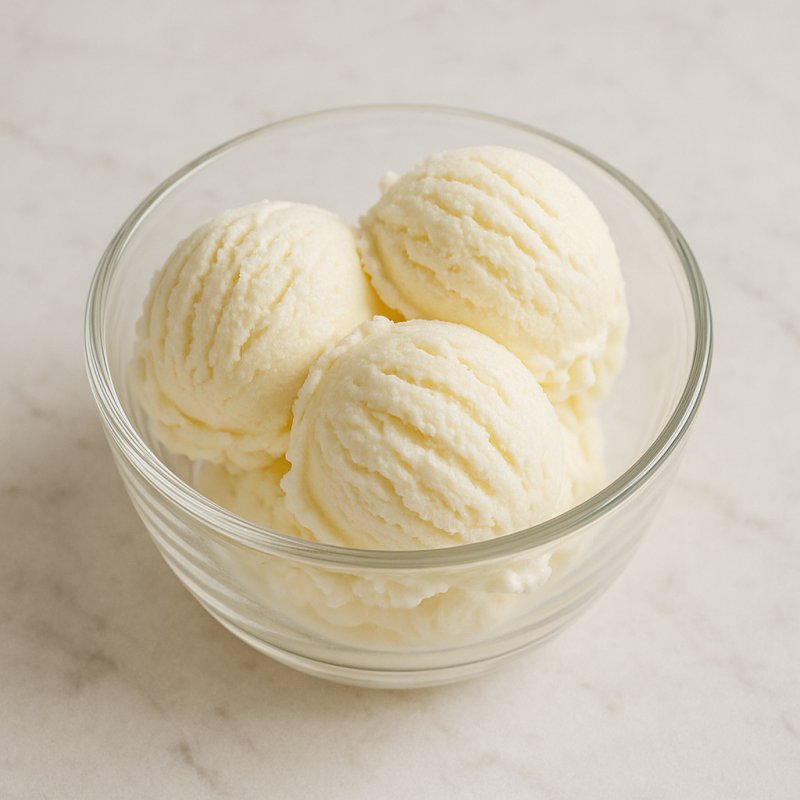
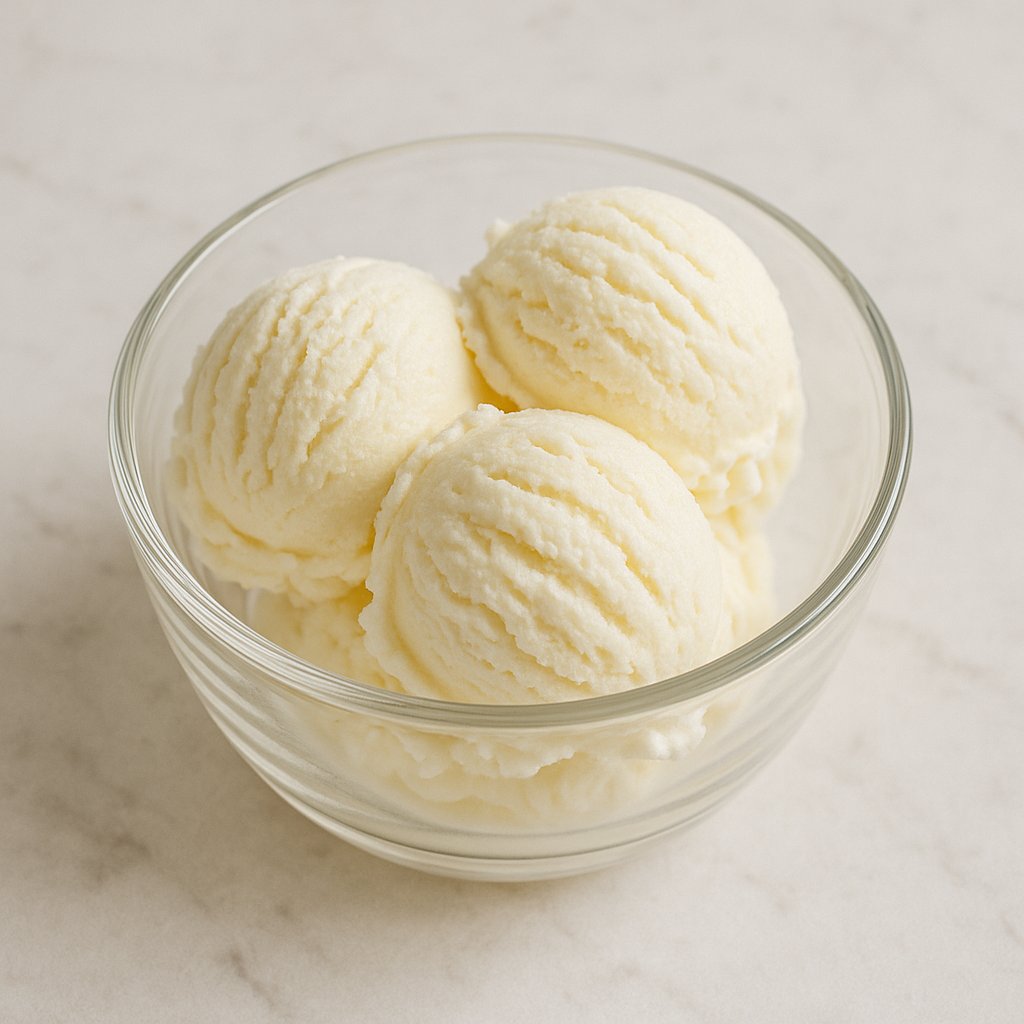
A bowl of creamy vanilla ice cream.
There is something incomparable about a delicious cup of vanilla ice cream. I remember clearly a hot summer day when I was sitting with friends in a small café on the beach. The sun burned on our skin, and we felt the need to reward ourselves with something refreshing. Then the waiter came with a large cup of vanilla ice cream, topped with chocolate sauce and colorful sprinkles. The first spoonful was like a little hug for the soul – creamy, sweet and so incredibly delicious!


Vanilla ice cream has a special kind of magic for me. It is not just a simple dessert, but an experience. It reminds me of childhood days when I sat with my family in the ice cream parlor and admired the wide selection of flavors. Often it was vanilla that I chose, not only because it was classic, but because it provided the perfect base for all the toppings and sauces I loved.


And when I think of vanilla ice cream, I also think of a colleague who is a true ice cream lover. He once tried to make vanilla ice cream himself. The result was not perfect, but the joy we had tasting it together was priceless. We laughed about the idea of flavoring vanilla ice cream with a hint of cinnamon – a combination we never tried again, but which gave us a lot of pleasure that day.


The preparation of vanilla ice cream is an art in itself. The main ingredients – milk, whipping cream, sugar and the centerpiece, the vanilla seeds – must be perfectly balanced. The secret to truly creamy ice cream lies in the slowness of the preparation. The slower the ice cream freezes, the creamier it becomes.


Another highlight of vanilla ice cream is its versatility. You can enjoy it plain or use it in delicious desserts.

  • How about a vanilla ice cream sundae with hot cherries?
  • Or an affogato, where hot espresso is poured over the ice cream?
  • Even in a milkshake vanilla ice cream performs excellently.
So vanilla ice cream is not just a simple dessert but a piece of joy that reminds us of pleasant moments. It is the perfect companion on hot days, prompting us to pause and enjoy life. I can't wait to share a large bowl of vanilla ice cream with friends at the next gathering and create new memories.

Availability & types

Vanilla ice cream is one of the most popular ice cream flavors worldwide. But did you know that the ingredient that makes vanilla ice cream so tasty has an exciting history? Let's find out together where vanilla comes from, where it is grown and which different varieties and types exist!

Origin of vanilla
Vanilla comes from a plant that belongs to the orchid family. The best-known species is Vanilla planifolia, which originally comes from Mexico. The first people to discover vanilla were the Totonacs, an indigenous people in Mexico. They used vanilla to flavor their cacao and as a remedy. Today vanilla is grown in many countries around the world.

Growing regions
Vanilla needs a warm and humid climate to grow well. The main growing regions for vanilla are:

  • Mexico: This is where vanilla originally comes from and it is still grown in some regions.
  • Madagascar: This country is nowadays the largest producer of vanilla. Vanilla from Madagascar is considered the best in the world because it has a particularly rich flavor.
  • Tanzania: Vanilla is also grown in Tanzania, and the vanilla there has a unique taste.
  • Indonesia: There are also large plantations in Indonesia where vanilla is cultivated, often somewhat cheaper than Madagascan vanilla.
  • Philippines: Vanilla is also grown in the Philippines, though in smaller quantities.
The vanilla plant requires a lot of care, as it not only needs to be kept warm and humid, but also relies on special bees to pollinate its flowers. In many countries where vanilla is grown, the flowers are pollinated by hand, which makes production very labor-intensive.

Available varieties and types
There are different varieties of vanilla that differ in flavor and quality. Here are some of the best known:

  • Madagascar vanilla: This is the most well-known and is often used in recipes. It has a sweet, creamy flavor.
  • Tahitian vanilla: This variety has a floral and fruity flavor. It is often used for desserts that require a particularly delicate aroma.
  • Mexican vanilla: This has a strong and spicy flavor. It is frequently used in traditional Mexican cuisine.
  • Indonesian vanilla: This has a somewhat more bitter taste and is often used in industry.
There are also different forms in which you can find vanilla:

  • Vanilla pods: These are the whole pods that you can split open and scrape out the inside.
  • Vanilla extract: This is a liquid made from vanilla pods and is used in many recipes.
Details & nutrition

Property Value
Unit ml
Average weight per piece 100
Calories per 100 207
Protein per 100 3.5
Carbohydrates per 100 23
Sugar per 100 21
Fat per 100 11
Saturated fat per 100 7
Monounsaturated fat 0.5
Polyunsaturated fat 0.3
Fiber per 100 0.5
Vitamin C (mg) per 100 0
Vitamin D (IU) per 100 0
Calcium (mg) per 100 80
Iron (mg) per 100 0.1
Nutri-Score C
CO₂ footprint 1.5
Origin European Union
Gluten-free Yes
Lactose-free No
Nut-free Yes
Vegan No
Note Vanilla ice cream is a popular dessert and can be served in various ways.

Technical & scientific information

Vanilla ice cream is a popular ice cream flavor, distinguished by its creamy texture and the characteristic taste of vanilla. It belongs to the classic ice cream varieties and is appreciated worldwide. The production of vanilla ice cream typically starts from a base of milk, cream, sugar and vanilla extract or vanilla pods. The combination of these ingredients provides a unique flavor and a pleasant mouthfeel.

Chemical composition and ingredients

The main components of vanilla ice cream are:

  • Milk and cream: These provide the necessary fat and creaminess. The fat content is crucial for the texture and taste of the ice cream.
  • Sugar: It serves not only as a sweetener but also as a freezing point depressant, which leads to a softer consistency.
  • Vanilla: The characteristic flavor comes from vanillin and other aromatic compounds contained in the vanilla pod.
  • Stabilizers and emulsifiers: These additives help improve the texture of the ice cream and prevent rapid melting.
The chemical composition of vanilla ice cream varies depending on the recipe and manufacturing process. Typically vanilla ice cream contains water, fats, carbohydrates, proteins as well as vitamins and minerals in small amounts. The fat content of the ice cream can range between 10 and 20%, depending on the cream and milk used.

Nutritional values

The nutritional values of vanilla ice cream can vary by recipe. On average a serving (approx. 100 g) of vanilla ice cream contains:

  • Calories: about 200-250 kcal
  • Fat: 10-15 g
  • Carbohydrates: 20-30 g
  • Protein: 3-5 g
  • Sugar: 15-25 g
These values can vary, especially for diet or vegan variants of vanilla ice cream that use alternative sweeteners or plant-based ingredients.

Processing methods

The production of vanilla ice cream takes place in several steps:

  • Mixing: The base ingredients are combined in a mixing vessel.
  • Pasteurizing: Heating kills harmful microorganisms and helps homogenize the ingredients.
  • Cooling: The mixture is rapidly cooled to minimize crystal formation.
  • Churning: The mixture is stirred in an ice cream machine while it freezes. This leads to an even texture and prevents ice crystal formation.
  • Maturation: After churning the ice cream is stored for several hours to intensify the flavor and improve the texture.
Wiki entry for: vanilla ice cream
Active now: 18 visitors of which 2 logged-in members in the last 5 minutes