Availability and types
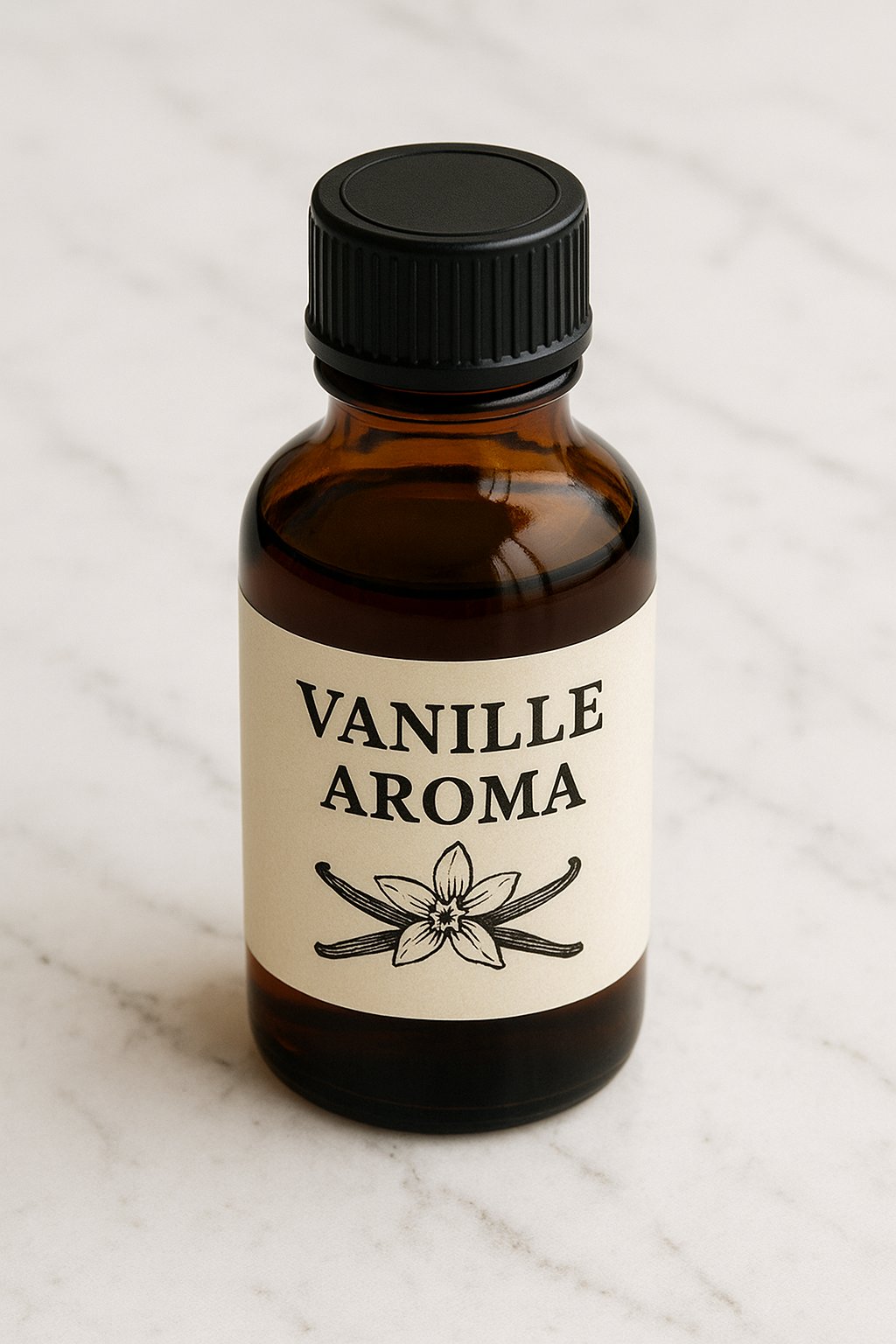
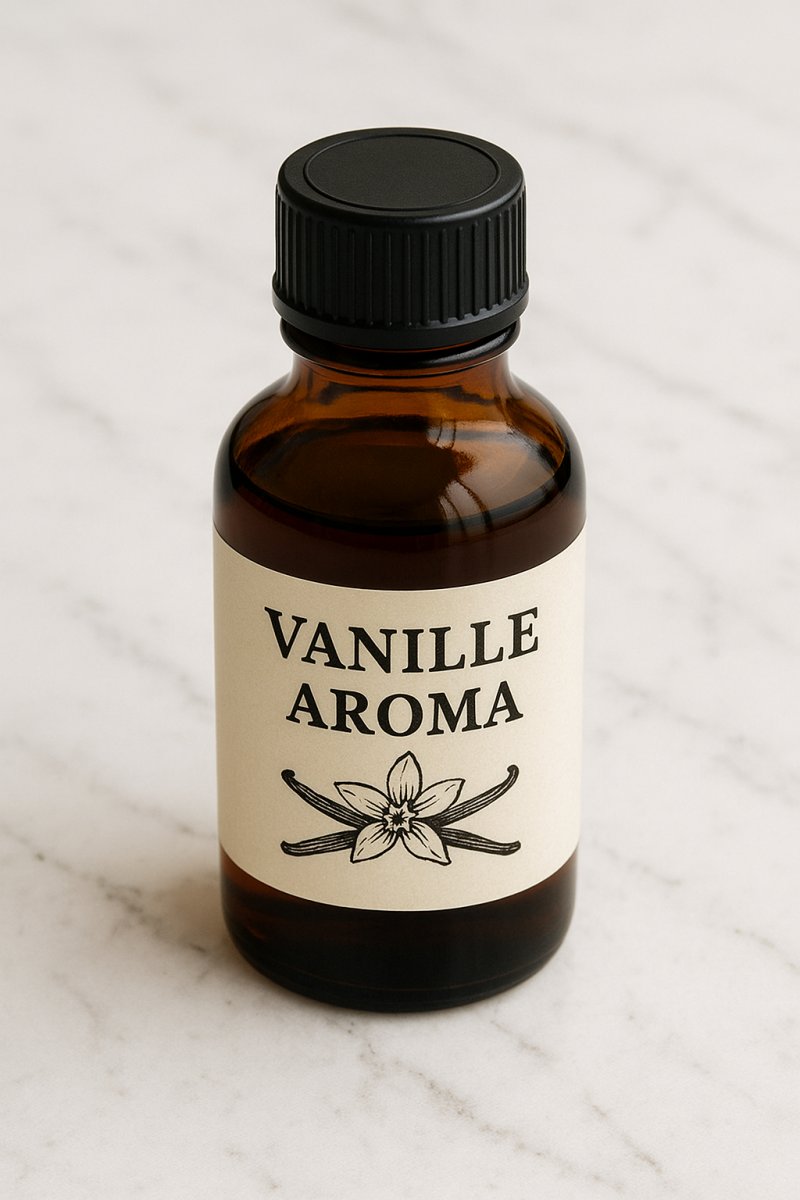
When people talk about vanilla flavoring they often mean the scent and taste known from vanilla pods. Vanilla flavoring exists in many forms and is fairly easy to obtain. In supermarkets you can find it in small bottles as a liquid flavoring, in powdered form, as vanilla extract (a liquid made from vanilla) or as natural vanilla pods, the whole beans. Sometimes the label says “natural vanilla flavoring” — this means it was made from real vanilla plants. If the label only says “vanilla flavoring,” it can also be an artificially produced taste recreated chemically.
Where does vanilla come from?
Vanilla originally comes from the rainforests of Central America. The vanilla plant is a climbing orchid, meaning it grows up other plants and needs warm, humid places. Today it is also cultivated in other warm regions. The best-known growing areas are:
- Madagascar: This island off Africa's east coast supplies a large part of the world's vanilla and is regarded as very aromatic.
- Indonesia: A lot of vanilla is also grown here, often somewhat cheaper than Madagascar vanilla.
- Mexico: This is the original homeland of the vanilla plant. Mexican vanilla often has a distinctive, slightly spicy flavor.
- Comoros, Tahiti and other tropical islands: Some islands produce their own vanilla variety with a different aroma.
What varieties and forms exist?
Vanilla can be classified in different ways depending on how it is grown and processed or whether it is true or artificial flavoring. The main variants are:
- Real vanilla pods: These are the black beans that come from the vanilla plant. They contain the small aromatic seeds. They are very intense in flavor and are for example split open to add the seeds to cream or batter.
- Vanilla extract: This is a liquid produced by steeping vanilla pods in alcohol. The alcohol draws the flavor out of the pods. Vanilla extract is practical for cooking and baking.
- Vanilla paste and vanilla powder: Paste is thick and contains the pod seeds, powder is dried vanilla content. Both are good alternatives to whole pods.
- Artificial vanilla flavoring (vanillin): Vanillin is the main compound that gives vanilla its taste. It can be produced in a lab and is often cheaper. Artificial vanilla flavoring can taste very much like vanilla, but sometimes lacks the depth or the rounder taste of real vanilla.
- Natural vs. artificial flavor: Labels sometimes read “natural vanilla flavoring,” meaning the flavors were derived from real plants. The term “flavoring” alone may indicate an artificial product. A simple example: apple juice can be pressed from whole apples (natural), or made from a flavoring that tastes like apple (artificial).
Why are there so many types?
Vanilla is expensive and labor-intensive to harvest: flowers often must be pollinated by hand, and pods require long curing to develop their aroma. Therefore there are cheaper artificial variants and many convenient forms like extract or paste so everyone can use the vanilla type that fits their budget and recipe. If you want a particularly fine result in a cake or pudding, choose real pods or extract. If speed and cost are priorities, an artificial vanilla flavoring can be a good choice. This way there is a suitable vanilla variant for every situation.