Availability and types of Flour Type 405
Origin:
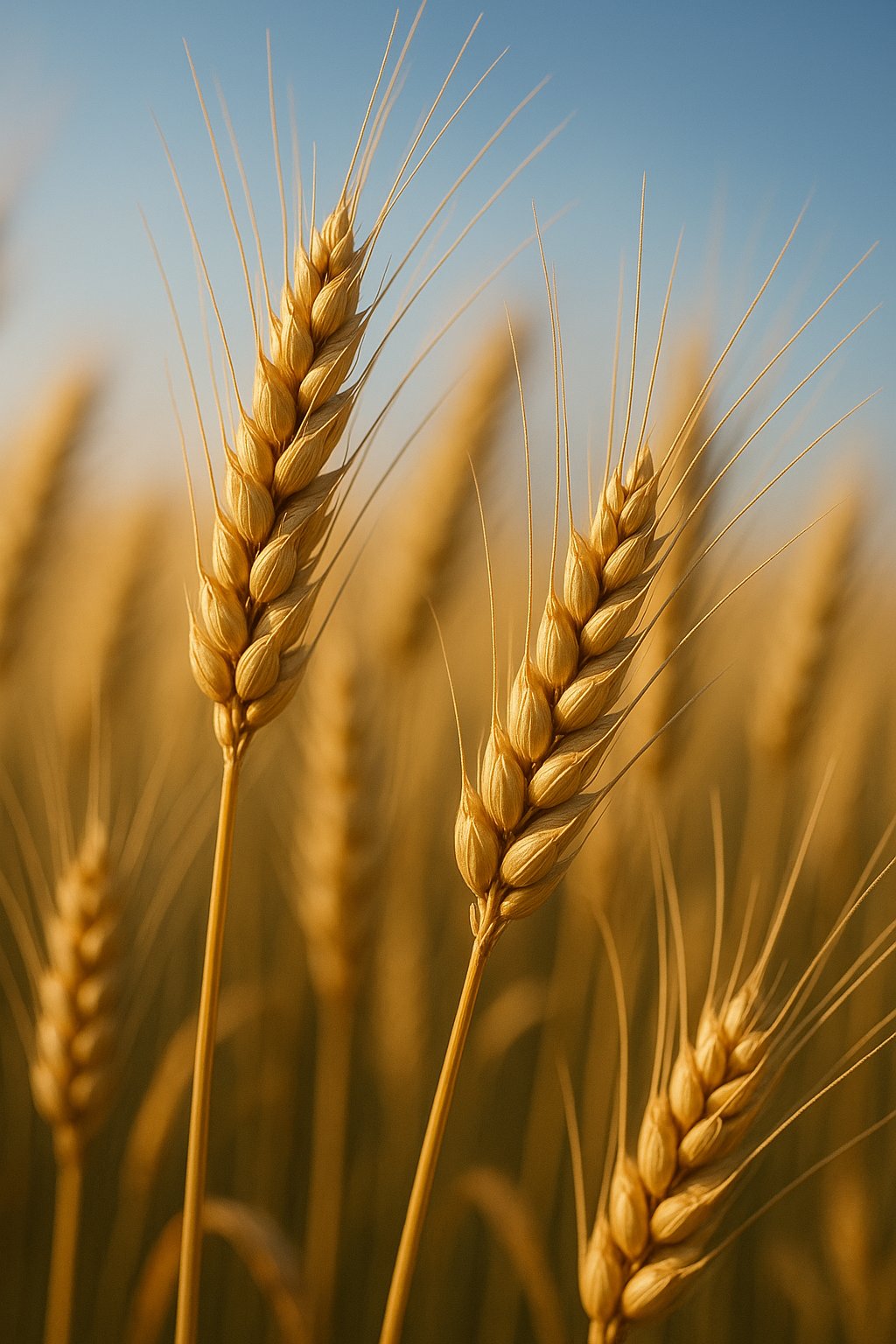
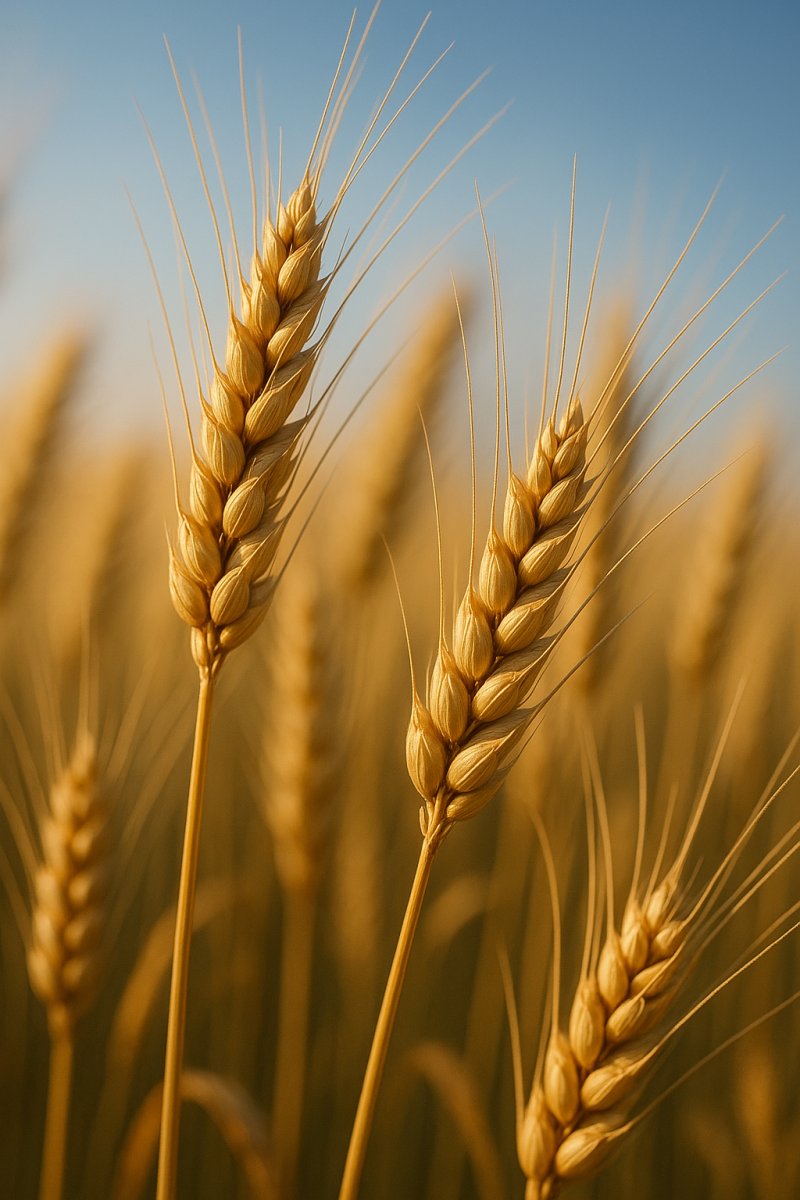
Flour Type 405 is usually made from wheat, specifically from a variety called soft wheat. During milling the hard outer shell (bran) and the germ are almost entirely removed, leaving mainly the white interior of the grain, which makes Flour Type 405 very light and fine. The name “405” indicates how much mineral matter remains as ash after burning the flour – at 405 it is very little, which is why the flour appears almost white. You can imagine it like this: the lower the number, the “whiter” and finer the flour is.
Flour Type 405 is usually made from wheat, specifically from a variety called soft wheat. During milling the hard outer shell (bran) and the germ are almost entirely removed, leaving mainly the white interior of the grain, which makes Flour Type 405 very light and fine. The name “405” indicates how much mineral matter remains as ash after burning the flour – at 405 it is very little, which is why the flour appears almost white. You can imagine it like this: the lower the number, the “whiter” and finer the flour is.
Growing regions:
Wheat for Type 405 grows in many parts of the world. Important regions include:
Wheat for Type 405 grows in many parts of the world. Important regions include:
- Europe (for example Germany, France, Poland): many bakeries and mills source wheat from nearby areas.
- North America (USA, Canada): large quantities of wheat are grown there and traded globally.
- Australia and parts of South America: there are also extensive wheat fields there.
For us in the supermarket it is often not important which exact country the flour comes from, but farmers in these regions grow wheat because the climate (not too hot, not too dry) is suitable.
Available types and variants:
Although “Type 405” describes a certain lightness and fineness, there are different variants you can buy. Here are some simple examples:
Although “Type 405” describes a certain lightness and fineness, there are different variants you can buy. Here are some simple examples:
- Standard wheat flour Type 405 – the standard flour for cakes, pancakes, sauces and delicate pastries. It is soft and makes dough light.
- Organic wheat flour Type 405 – grown without certain chemical pesticides. It feels the same as regular 405 but is often more expensive.
- Freshly milled 405 – from small mills or stone mills; sometimes you notice a slightly different taste because it is fresher.
- Baking mixes with Type 405 – flour already mixed with baking powder or sugar; convenient when you want to bake a cake.
- Alternatives for allergy sufferers – gluten-free flours (e.g. rice or corn flour) are not 405 flours, but are offered as substitutes if someone cannot tolerate wheat.
Simple comparison:
Imagine flour as sand: Type 405 is like very fine, white sand, perfect for delicate constructions (cakes). Coarser flours like Type 550 or wholemeal are more like coarser sand or gravel, better for strong structures (bread).
Imagine flour as sand: Type 405 is like very fine, white sand, perfect for delicate constructions (cakes). Coarser flours like Type 550 or wholemeal are more like coarser sand or gravel, better for strong structures (bread).
Availability:
Flour Type 405 is available almost everywhere: supermarkets, bakeries, corner shops, health food stores and online. It is sold in small packages (500 g, 1 kg) and in large sacks for bakers. If you want to know exactly where your flour comes from, you can check the label: it often states the country of origin, whether it is organic and which additives (if any) are included.
Flour Type 405 is available almost everywhere: supermarkets, bakeries, corner shops, health food stores and online. It is sold in small packages (500 g, 1 kg) and in large sacks for bakers. If you want to know exactly where your flour comes from, you can check the label: it often states the country of origin, whether it is organic and which additives (if any) are included.
Thus Flour Type 405 is a very common, light wheat flour characterized by its fine texture and available in various variants – from organic to freshly milled or as baking mixes – and is easy to obtain.