Availability and types of Type 1050 flour
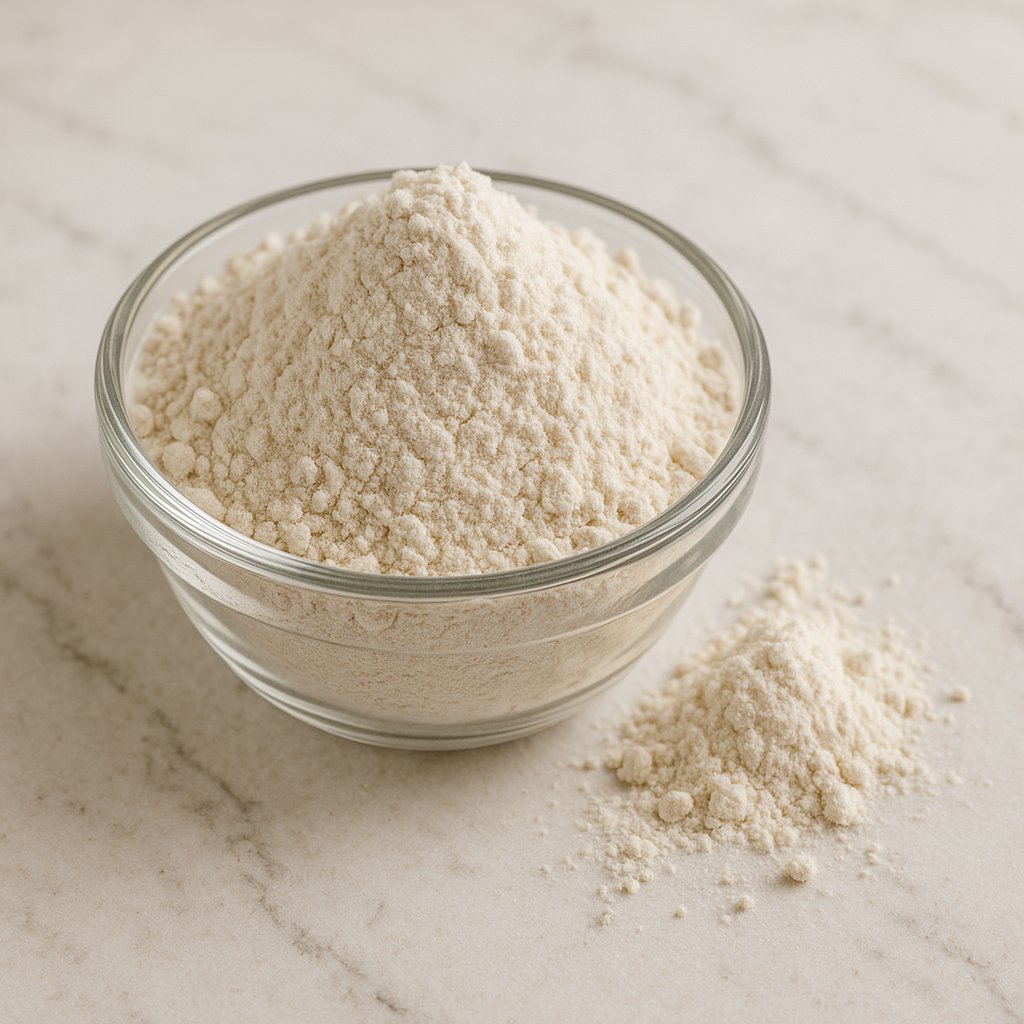
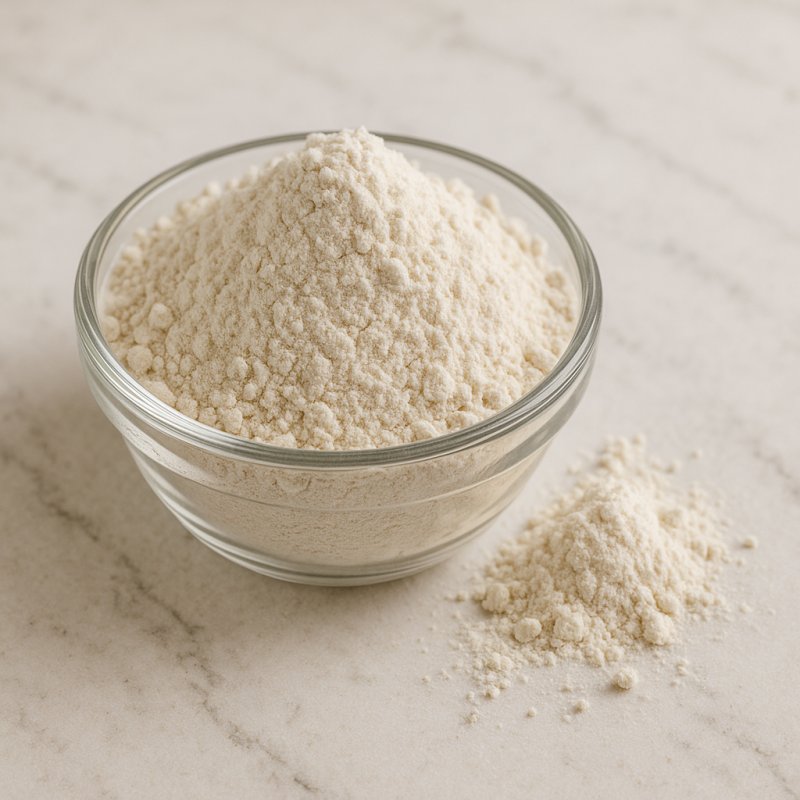
Type 1050 flour is a widely available flour variety in Germany and Europe. The name gives an indication of how much bran and germ are still present in the flour: the number 1050 stands for the mineral content, that is how much “residue” of the original grain kernels remains in the flour. This makes Type 1050 darker and more substantial than very light flours like Type 405. You can imagine it this way: when you mill grain, higher numbers mean more of the outer hull remains — the flour then has a stronger flavor and more nutrients.
Origin and growing regions
Type 1050 flour is usually made from wheat. Wheat is grown in many parts of the world, but especially large growing areas are found in Europe: Germany, France, Poland and Russia are among the important countries. Large quantities are also grown in North America (USA, Canada) and in parts of South America and Australia. Within Germany the kernels often come from regions with fertile soils, for example in northern Germany, parts of Lower Saxony, North Rhine-Westphalia or the Palatinate. Weather, soil and field management influence how good the harvest is — just like for fruits and vegetables.
Type 1050 flour is usually made from wheat. Wheat is grown in many parts of the world, but especially large growing areas are found in Europe: Germany, France, Poland and Russia are among the important countries. Large quantities are also grown in North America (USA, Canada) and in parts of South America and Australia. Within Germany the kernels often come from regions with fertile soils, for example in northern Germany, parts of Lower Saxony, North Rhine-Westphalia or the Palatinate. Weather, soil and field management influence how good the harvest is — just like for fruits and vegetables.
Available varieties and variants
Type 1050 is not a single strict variety like a specific apple, but a category. Nevertheless there are differences you can easily notice:
Type 1050 is not a single strict variety like a specific apple, but a category. Nevertheless there are differences you can easily notice:
- Regional or supraregional: Some millers offer flour made from locally grown grain. This is similar to buying rolls from a baker made with flour from local farmers. Other flours come from across Europe or the world.
- Organic or conventional: Organic flour comes from fields where synthetic pesticides or fertilizers are not used. Conventional flour comes from fields managed with modern methods. Organic flour may be important for people who value environmentally friendly farming.
- Whole grain vs. blended: Some packages contain pure wheat Type 1050, others are blends with spelt or rye admixtures. Such blends change flavor and baking properties — similar to mixing chocolate with nuts.
- Fineness and milling: Even if the type number is the same, millers grind the flour to different fineness. Finer flour feels softer and can sometimes be easier to work with; coarser flour contains more small particles of the bran.
Where can you buy it?
Type 1050 flour is available in supermarkets, health food stores, natural food shops and directly from the miller or baker. Online shops and farm stores often offer special variants, such as regional or organic flour. Hobby bakers should check the label: it will state whether the flour comes from Germany or abroad, whether it is organic and whether there are special notes (e.g. stone-ground).
Type 1050 flour is available in supermarkets, health food stores, natural food shops and directly from the miller or baker. Online shops and farm stores often offer special variants, such as regional or organic flour. Hobby bakers should check the label: it will state whether the flour comes from Germany or abroad, whether it is organic and whether there are special notes (e.g. stone-ground).
Why this selection matters
The different types and variants help to find the right flour for a recipe. Type 1050 is well suited for hearty breads, rolls and baked goods with a strong flavor. If a recipe calls for a dark country loaf, Type 1050 is often a better choice than very light flour. Those who like to experiment can try different types and compare them — much like tasting different ice cream flavors until you find your favorite.
The different types and variants help to find the right flour for a recipe. Type 1050 is well suited for hearty breads, rolls and baked goods with a strong flavor. If a recipe calls for a dark country loaf, Type 1050 is often a better choice than very light flour. Those who like to experiment can try different types and compare them — much like tasting different ice cream flavors until you find your favorite.