Menu & categories

Tuna in oil

Protein-rich classic canned fish, preserved in oil

Wiki about tuna in oil Nutri-Score C Vegan No Gluten-free Yes Lactose-free Yes Nut-free Yes
NUTRITION / 100 g
200 kcal 25 g Protein 0 g Kohlenhydrate 11 g Fett

Introduction

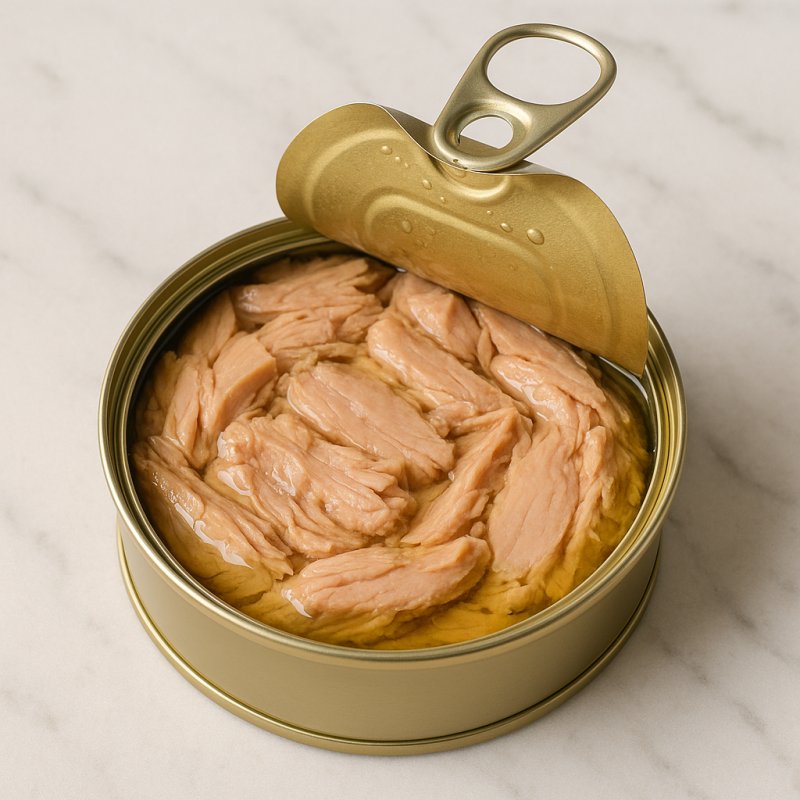
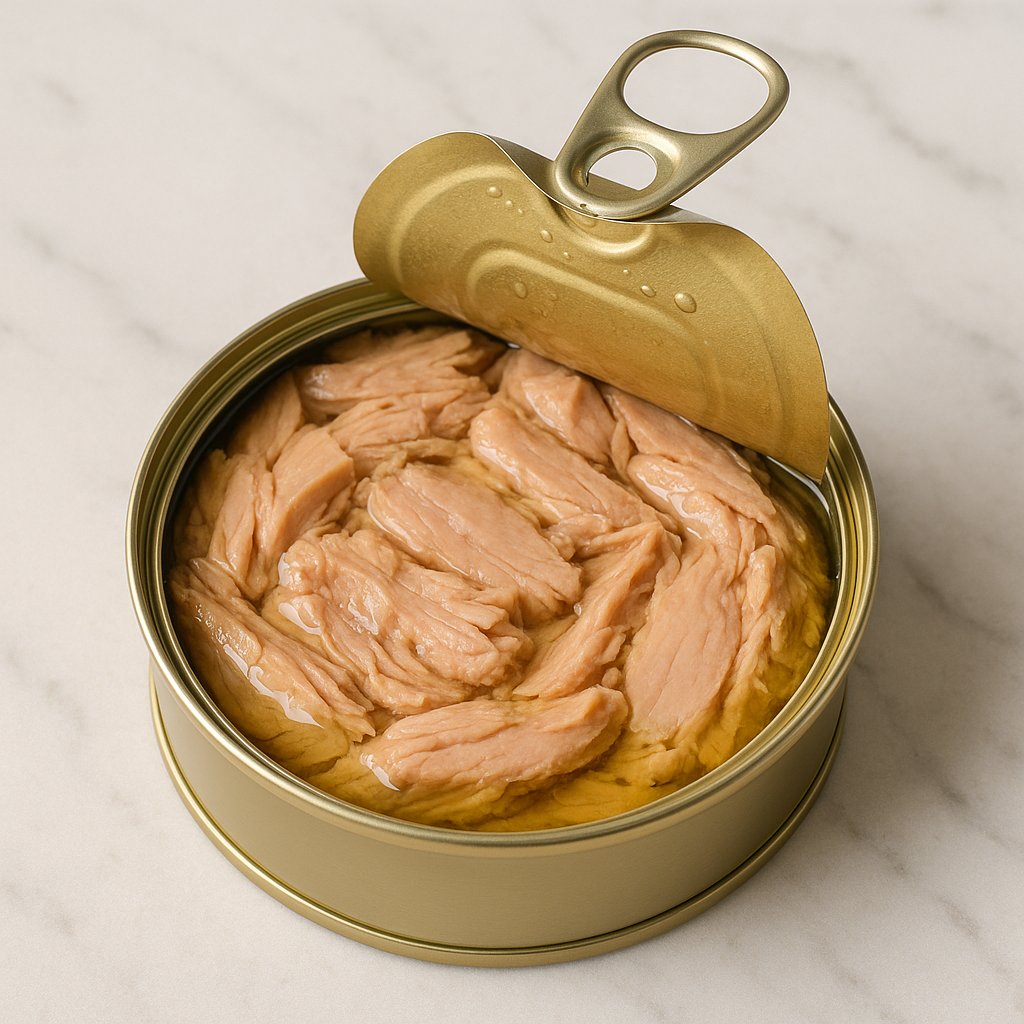
Tuna in oil in an opened tin can
I have a particular weakness for simple ingredients that can do more than they promise at first glance; Tuna in oil definitely belongs to that group. When I open the can, that salty, slightly fishy aroma rises to my nose and I immediately picture a quick dinner that tastes like more than it cost. Once a friend brought a can of tuna to an improvised picnic, and we turned it within minutes into small Mediterranean bites – that was a moment when I realized how versatile this ingredient is.

Tuna in oil is characterized not only by flavor but also by texture. The oil keeps the flesh moist and gives it a full bite, which works equally well cold in salads or warm in pasta dishes. I still remember a rainy Sunday afternoon cooking session where I had to quickly save a pasta dish: a large jar of pickles, an onion, some lemon juice and a can of tuna in oil – out of that came a combination that earned praise for weeks.

Practically, tuna in oil is mainly useful because it is long-lasting and ready to use. It fits many culinary styles: from classic sandwiches to savory quiches to Asian-inspired rice pans. For mindful preparation I recommend tasting the oil and possibly pouring off part of it so the dish doesn't become too oily. I've often found that a tablespoon of the oil gives a dressing a nice depth, while too much oil can mask the flavors.

As for sustainability, I have learned in conversations with fellow cooks and colleagues that it's worth paying attention to origin labels and certifications. Buyers can make a difference by choosing consciously. At the same time I want to emphasize that the practical usefulness and culinary versatility of this ingredient make it a loyal companion in my kitchen.

Whether as a quick lunch, a piquant starter or as seasoning in an elaborate dish: Tuna in oil is for me an unassuming heroine of the pantry. It reminds me that good ingredients are often just within reach and that creativity in the kitchen sometimes comes from small cans.

Availability & types

Availability and types of tuna in oil

Tuna in oil is a widespread ingredient found in many supermarkets and grocery stores. Tuna comes from various fish that all belong to the tuna family. These fish live in the sea, mostly in warm or temperate regions. They are caught with specialized boats that sometimes go far out to sea. Afterwards the fish is usually preserved in cans or jars, often with oil so that it stays fresh longer and tastes good.

Origin and fishing areas
Tuna comes from different parts of the world. Common fishing areas include:

  • Atlantic: off the coasts of Europe, Africa and South America.
  • Pacific: especially off the coasts of Japan, the USA, Mexico and the island states in the Pacific.
  • Indian Ocean: around India, Sri Lanka and East Africa.
Imagine tunas as large travelers covering vast distances in the sea. Depending on where fishers operate, the taste or size of the fish can vary slightly. The can often states where the fish was caught — that helps you know its origin.

Available varieties and variants
In stores you will find different types of tuna in oil. Here are some common types, explained for beginners:

  • Light tuna (e.g. Albacore): The flesh is lighter and the pieces are often a bit larger. Many like it because it tastes more delicate.
  • Dark tuna (Skipjack or Bonito): This flesh is darker and often has a stronger flavor. It is commonly found in cheaper cans.
  • Packed in chunks or as fillets: Some cans contain coarse chunks of fish, others contain larger fillet pieces. Fillets are like the clean, smooth cuts; chunked is more shredded.
  • In sunflower oil or olive oil: Oil preserves the fish and slightly alters the taste. Sunflower oil is more neutral; olive oil gives a fruitier flavor.
  • With spices or in its own brine: There are variants that are already seasoned (for example with pepper or herbs), and those in brine (which is simply water with some salt).
Organic and sustainable products
There are now cans labeled organic or with sustainability certifications. These marks indicate that certain rules were followed during fishing to avoid overfishing and to protect other marine life. It's a bit like being careful not to pick more apples from a tree than can grow back.

Tips when buying
When you buy tuna in oil, you can pay attention to a few simple things:

  • Check the label: which species is listed and where was it caught?
  • Choose the oil type: those who prefer a stronger flavor try olive oil.
  • Look for seals: marks for sustainable fishing help the environment.
  • Check the best-before date: so you know how long the can will taste good.
Overall, tuna in oil comes in many variants — from light, tender fillets to darker, more robust pieces, in different oils or seasoned. That way everyone can choose the product that best suits their taste and intended use, whether for a sandwich, a salad or a warm pasta.
Details & nutrition

Property Value
Unit g
Calories per 100 200
Protein per 100 25
Carbohydrates per 100 0
Sugar per 100 0
Fat per 100 11
Saturated fat per 100 2
Monounsaturated fat 6
Polyunsaturated fat 3
Fiber per 100 0
Vitamin C (mg) per 100 0
Vitamin D (IU) per 100 200
Calcium (mg) per 100 15
Iron (mg) per 100 1.3
Nutri-Score C
CO₂ footprint 4.0
Origin Sea fish, mostly from the Atlantic or Pacific; processed and preserved in oil
Gluten-free Yes
Lactose-free Yes
Nut-free Yes
Vegan No
Note Nutritional values refer to drained tuna in vegetable oil, typical commercial can.

Technical & scientific information

Tuna in oil refers to preserved tuna that, after capture, is filleted, precooked and placed in a vegetable oil. The packing liquid usually consists of sunflower, rapeseed or olive oil; it primarily serves for preservation, to maintain texture and to balance flavor. The oily medium protects the product from oxidation longer than water-packed variants, while the oil used significantly influences the fatty acid composition of the final product.

Chemical composition and constituents
Tuna is rich in proteins with a high content of essential amino acids; 100 g drained weight typically provide 20–25 g of protein. The lipid fraction in the fish fillet consists predominantly of triacylglycerides, containing polyunsaturated fatty acids such as the omega-3 fatty acids eicosapentaenoic acid (EPA) and docosahexaenoic acid (DHA). Packing in oil increases the total fat content per portion and can improve the uptake of fat-soluble vitamins. Minerals like potassium, phosphorus and selenium as well as B vitamins, especially niacin and B12, are present in relevant amounts.

Nutritional values
The nutritional value depends on the ratio of fish to packing oil. Typical values for drained weight are about 200–300 kcal per 100 g for oily variants, while water-packed products provide considerably fewer calories. Protein remains relatively constant, while total fat content and calories increase due to the packed oils. The fatty acid profile reflects both the fish's natural omega-3 content and the fatty acids of the oil used (polyunsaturated/monounsaturated vs. saturated).

Processing methods
After capture, tunas are rapidly chilled and brought to processing to minimize microbial spoilage and enzymatic degradation. Common steps are: stunning/killing, chilling, heading and filleting, precooking or steaming, cutting into pieces, packing in sterile containers with oil and final sterilization in cans or jars. Sterilization is typically thermal (e.g. autoclaving) to kill Clostridium botulinum and other heat-resistant organisms. The choice of temperature–time combination affects texture, water-holding capacity and nutrient losses, particularly heat-sensitive vitamins.

Technological and sensory aspects
Oil protects against oxygen and influences taste and mouthfeel. Oil quality is crucial for sensory acceptance: oxidized or poor-quality oils lead to rancid flavors. The texture of the fish flesh is partially loosened by precooking and sterilization; a gentle process better preserves firm fiber structures. The addition of salt, spices or other ingredients can further modulate shelf life and aroma.

Health aspects
Tuna provides important nutrients that can support cardiovascular benefits through omega-3 fatty acids. At the same time, tuna, like other predatory fish, can be potentially contaminated with methylmercury, whose concentration varies by species (e.g. bluefin, yellowfin, skipjack) and fish size. Therefore health authorities recommend limiting consumption of certain tuna species, especially for pregnant women and young children. The oil-packed variant has a higher calorie and fat content than water-packed tuna, which should be considered if you are watching your diet.

Safety and quality control
Essential control points include microbiological tests after sterilization, chemical analyses for oxidation products (peroxides, aldehydes), fat content determination and residue testing for heavy metals and environmental contaminants. Packaging materials are tested for migration, and mandatory label information such as ingredient list, fishing area, fishing method and best-before date is required.

Applications
Tuna in oil is used both as an ingredient in salads, sandwiches and pasta dishes and as a ready product in the kitchen. The oil can be reused for dressings, increasing flavor and calories. Industrially, tuna in oil is also used as a raw material for further-processed products such as pastes or canned mixtures.

Overall, tuna in oil is a nutrient-rich, shelf-stable ingredient whose nutritional benefits should be weighed against aspects like increased calories and potential contaminant exposure. Quality-focused production, accurate labeling and conscious consumption help to maximize health benefits.

Wiki entry for: tuna in oil
Active now: 24 visitors of which 2 logged-in members in the last 5 minutes