Availability and types of tarragon
Tarragon is a popular herb used in many cuisines. It smells and tastes a bit of anise or licorice, which makes it especially interesting for sauces, salads and meat dishes. If you want to know where tarragon comes from, which varieties exist and how to find or grow it, this is explained simply so that even a 12-year-old can understand it well.
Origin and natural growing areas
Tarragon originally comes from the regions around the Mediterranean, parts of Asia and Eastern Europe. The herb likes sunny but not too hot locations. Many people plant tarragon in their gardens because it is relatively easy to care for. It can also be found at farmers' markets and in supermarkets, especially in areas with moderate temperatures.
Tarragon originally comes from the regions around the Mediterranean, parts of Asia and Eastern Europe. The herb likes sunny but not too hot locations. Many people plant tarragon in their gardens because it is relatively easy to care for. It can also be found at farmers' markets and in supermarkets, especially in areas with moderate temperatures.
Growing regions
Today tarragon is cultivated in many parts of the world:
Today tarragon is cultivated in many parts of the world:
- Europe: Particularly common in France and Germany. France is famous for its gourmet cuisine, in which tarragon is often used.
- North America: In the USA and Canada tarragon is grown in gardens and on small farms.
- Asia: In some parts of Asia tarragon grows wild or is cultivated in fields.
Main varieties and types
There are several varieties of tarragon that differ in flavour and growth habit. The most important are:
There are several varieties of tarragon that differ in flavour and growth habit. The most important are:
- French tarragon (Artemisia dracunculus var. sativa): This is the best-known variety. It has the typical fine anise flavour that many chefs love. French tarragon grows well in the garden, but it is difficult to raise from seed and is often propagated by dividing the plant — that is, splitting a larger plant into smaller pieces to obtain new plants.
- Russian tarragon (Artemisia dracunculoides): This variety is more robust and germinates more easily from seed. Its flavour is somewhat milder and less aromatic than that of French tarragon. In return it is more cold-tolerant and suitable if your region experiences frost more often.
- Mexican tarragon (Tagetes lucida): Although called tarragon, it actually belongs to a different plant family. Its flavour is sweet-anise-like and it is used in some countries as a substitute for French tarragon. It is sometimes called Mexican anise.
Fresh, dried or frozen?
Tarragon is available in different forms:
Tarragon is available in different forms:
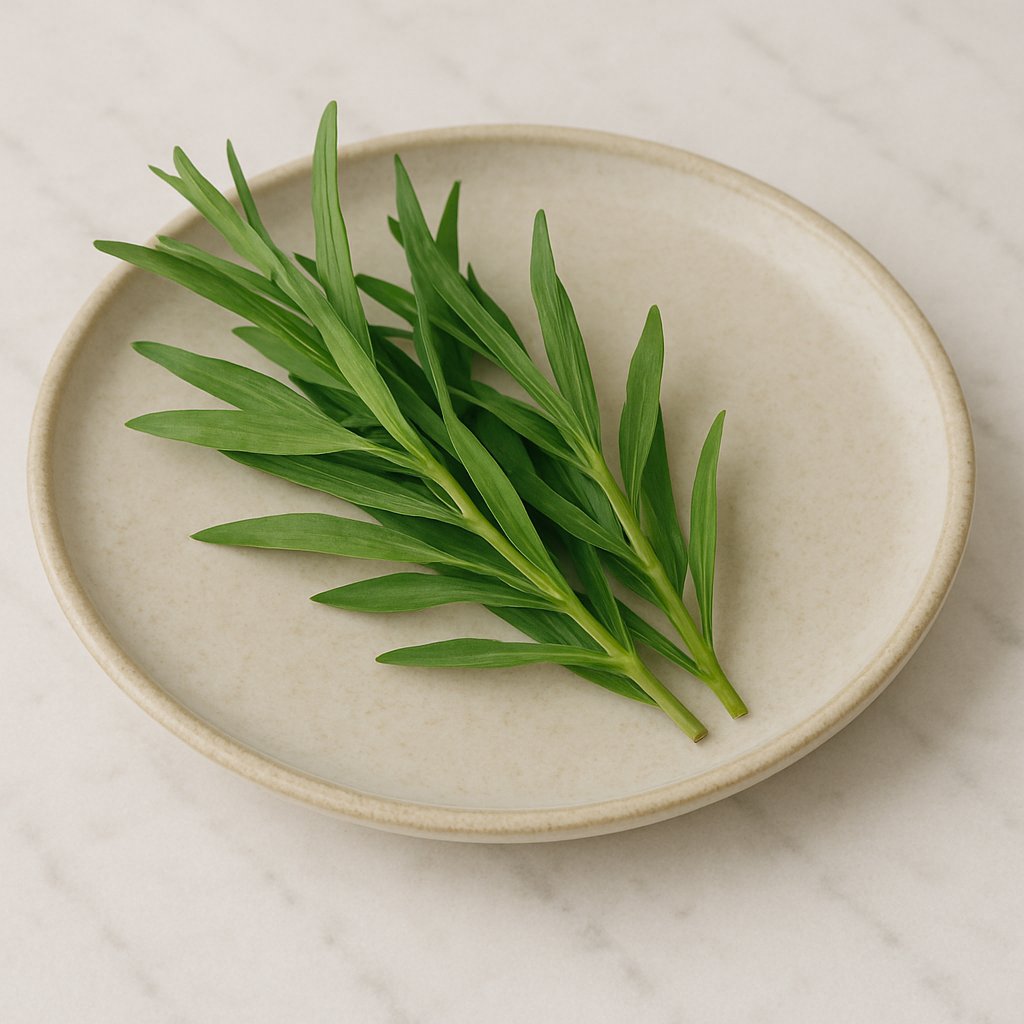
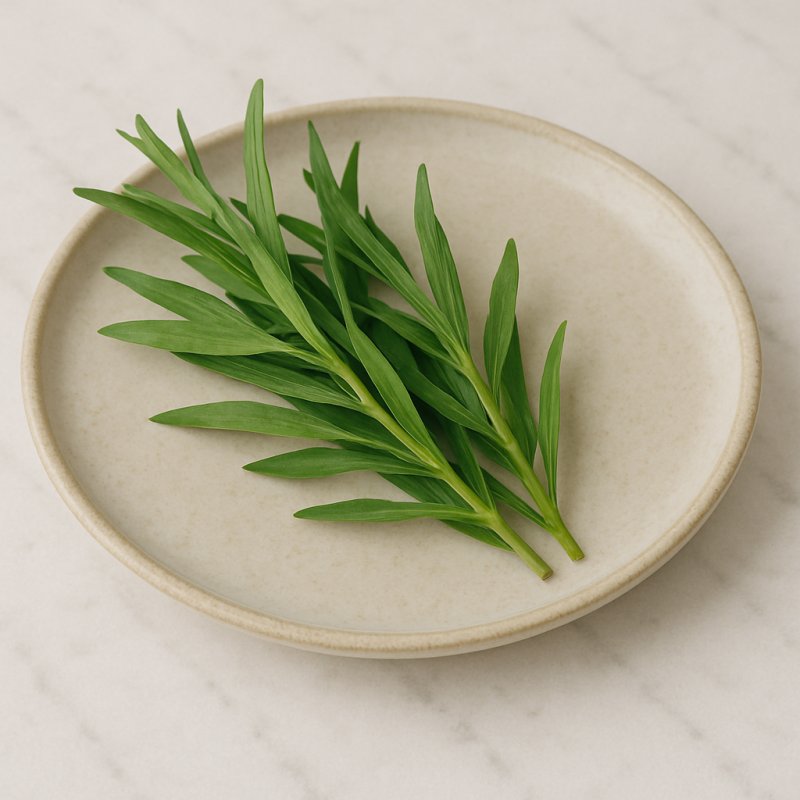
- Fresh: Fresh tarragon has the strongest aroma. You can find it in supermarkets, weekly markets or your own garden. The leaves are narrow and glossy.
- Dried: Dried tarragon keeps longer but loses some of the delicate flavour. It is suitable for dishes in which the herb is cooked for a long time.
- Frozen: Tarragon can also be frozen. Chop the leaves and put them into ice cube trays with a little water or oil. This preserves the flavour better than drying.
Buying tips
When buying tarragon, look for fresh, green leaves without yellow spots. French tarragon is best in terms of flavour, but Russian tarragon is more robust and usually cheaper. Mexican tarragon is a good alternative if you like the typical flavour or live in a warmer region.
When buying tarragon, look for fresh, green leaves without yellow spots. French tarragon is best in terms of flavour, but Russian tarragon is more robust and usually cheaper. Mexican tarragon is a good alternative if you like the typical flavour or live in a warmer region.
In summary: tarragon is widespread, originally from Europe and Asia, and available in several varieties — French, Russian and Mexican — which differ in flavour and cultivation. You can find tarragon fresh, dried or frozen, depending on how long you want to store it and how intense you want the flavour to be.