Menu & categories

Sultanas

Dried, light-coloured raisins with natural sweetness

Wiki about sultana Nutri-Score C Vegan Yes Gluten-free Yes Lactose-free Yes Nut-free Yes
NUTRITION / 100 g
299 kcal 3.1 g Protein 79 g Kohlenhydrate 0.5 g Fett

Introduction

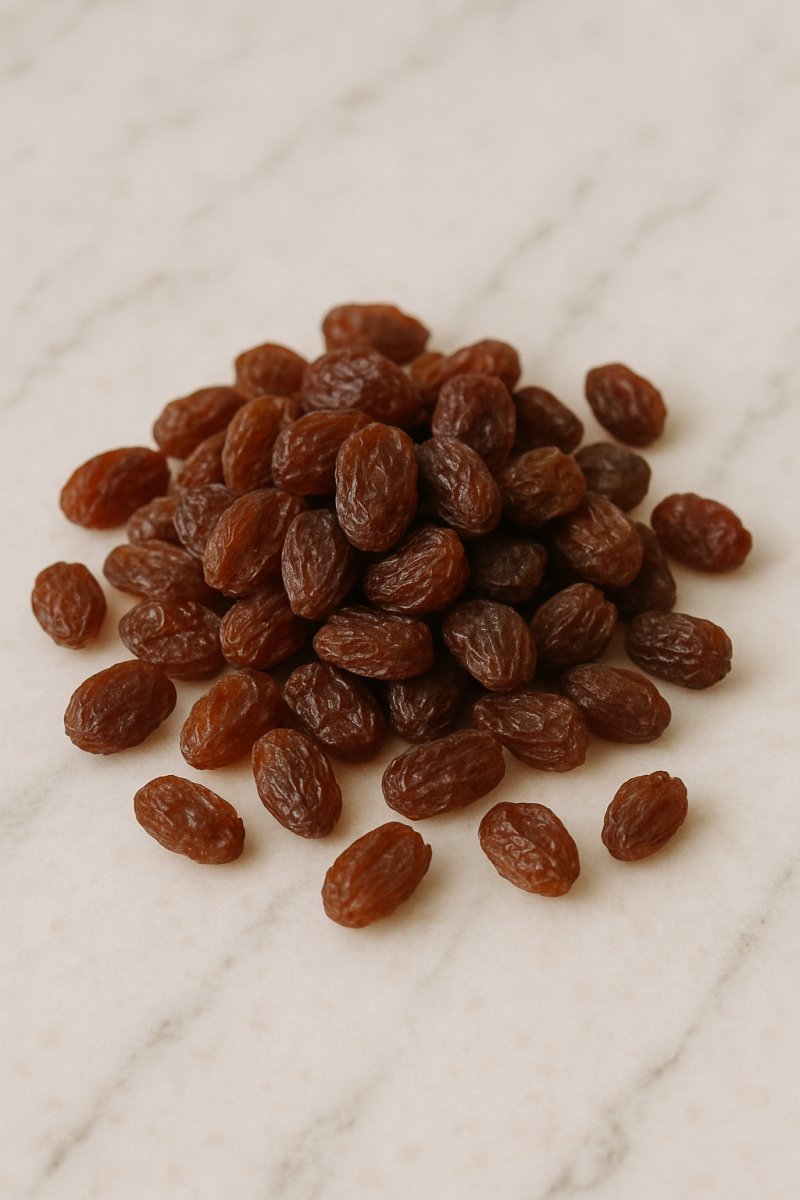
A small bowl with golden-brown sultanas
I have a small weakness for sultanas, which begins innocently — a quick reach into the pantry tin while I'm planning the evening cake — and then surprisingly becomes a passion. For me sultanas are more than just dried grapes; they are little flavor explosions that bring sweet, sunny memories to every dish. I still clearly remember the first holiday in a Mediterranean town when a market vendor handed me a handful of warm, freshly finished sultanas. The sugar almost glittered like jam, and I was immediately enticed.

What makes sultanas so special: They are versatile, long-lasting and full of concentrated aromas. In my kitchen they turn up in unexpected combinations: in savory couscous, in a crunchy salad with goat cheese or as a surprising start in a spiced braise. A colleague of mine swears by hiding them in his morning porridge to liven up boring breakfasts. The texture — chewy, juicy, with occasional caramel notes — makes them an indispensable source of texture.

I also like how sultanas tell stories about origin and production. They often come from seedless white grapes, sun-dried in Mediterranean climates or treated mechanically. When I'm at the weekly market I ask about the origin and like to have the producer explain whether it was natural drying or a treatment to fix the color. Such details change the experience for me because I then link the aroma to a memory.

Practical tips and recipes

  • Soak sultanas briefly in warm water or rum to make them juicier.
  • Use them in breads and baked goods for extra sweetness without refined sugar.
  • Combine them with nuts and fresh lemon juice for a quick, exciting salad.
In the end sultanas for me are that little secret that elevates any simple dish. They are modest but effective — like a good anecdote that enlivens the conversation. When I have guests, I always make sure to have a bowl ready; you never know who will quickly reach for the first helping.

Availability & types

Availability and types of sultanas

Sultanas are dried grapes and are among the most popular dried fruits. You'll find them in almost every supermarket, often in small packages for muesli, cakes or just for snacking. Because they keep well and do not need refrigeration, they are available year-round. In many regions sultanas are also sold fresh at markets or in specialty food stores. If you look at the label, it usually says "sultanas", sometimes "sultana" or simply "white raisins" — these generally mean the same thing.

Origin and typical growing regions

Sultanas originally come from warm, sunny regions because vines need a lot of sun to produce sweet grapes. Major growing areas include:

  • Mediterranean: Countries like Greece, Turkey and Italy grow many grapes for sultanas. These regions have hot summers and little rain at harvest time — ideal conditions for sun-drying.
  • California (USA): California is a very important producer. There grapes are sometimes dried in specialized facilities, not just in the sun.
  • Chile and Australia: These countries also export many sultanas, especially to distant markets.
  • Middle East: Iran and Syria are traditional growing countries with a long history of grape drying.
Different varieties and variants

Although all sultanas are dried grapes, there are subtle differences that some may like or wish to avoid. Here are some important variants, simply explained:

  • Color: Sultanas are usually light to golden brown. Sometimes there are dark raisins (from red grapes) and very pale sultanas that have been treated with a little oil or lemon juice before drying so they retain a light color.
  • Size: Some sultanas are pea-sized, others are larger. Larger sultanas often have more flesh and taste juicier.
  • Flavor: Sultanas are sweet, but some varieties taste almost honey-like, others slightly nutty. That depends on the grape variety and the degree of ripeness.
  • Sun-dried vs. mechanically dried: In the past grapes were dried directly in the sun. Today producers often dry them in specialized dryers. Sun-dried sultanas can have a more intense aroma; mechanically dried ones are more uniform in color and texture.
  • With or without additives: Some sultanas are simply dried, others are treated with a little oil so they don't stick together or lightly preserved with sulfur dioxide to keep them lighter. If you prefer to avoid these, you can find "unsulfured" or organic sultanas.
Practical shopping tips

When looking for sultanas, check the label: it will say where they come from and whether additives are present. Organic sultanas are a good choice if you want less chemistry. In supermarkets they are often in the dried fruit aisle; health food stores or markets sometimes offer fresher or special varieties. For cakes or muesli you can use ordinary sultanas; for special recipes there are also large, juicy varieties or twisted ones that are extra aromatic.

Sultanas are therefore easy to obtain and come in several types — from very pale, delicate specimens to robust, dark raisins — so there is something for every taste.
Details & nutrition

Property Value
Unit g
Average weight per piece 1
Calories per 100 299
Protein per 100 3.1
Carbohydrates per 100 79
Sugar per 100 59
Fat per 100 0.5
Saturated fat per 100 0.1
Monounsaturated fat 0.05
Polyunsaturated fat 0.2
Fiber per 100 3.7
Vitamin C (mg) per 100 2
Vitamin D (IU) per 100 0
Calcium (mg) per 100 50
Iron (mg) per 100 1.9
Nutri-Score C
CO₂ footprint 0.8
Origin Typically Turkey, Greece or the USA
Gluten-free Yes
Lactose-free Yes
Nut-free Yes
Vegan Yes
Note Nutritional values for unsulfured, unsalted sultanas without added sugar; may occasionally contain traces of gluten, nuts or other allergens due to cross-contamination.

Technical & scientific information

Sultanas are dried grapes, typically from light-colored or green grape varieties, which develop a high sugar content and a dark-golden to amber surface through drying. Botanically they belong to the species Vitis vinifera; as a final product they differ from raisins and currants mainly by the grape variety used, the drying method and therefore by size and texture. Sultanas have a soft to chewy texture with a pronounced, sweet aroma that arises from the concentration of fruit sugars and from enzymatic and microbiological changes during drying.

Chemical composition and nutritional values

  • Macronutrients: Sultanas consist predominantly of carbohydrates (mainly glucose and fructose). Water content after drying typically ranges between 10 and 20%. Energy content is about 250–300 kcal per 100 g, depending on residual moisture.
  • Fiber: Dried grapes contain soluble and insoluble fiber, particularly pectins and cell wall components (cellulose, hemicellulose), which affect digestion.
  • Vitamins and minerals: Sultanas provide moderate amounts of potassium, iron and magnesium and small amounts of B vitamins, especially vitamin B6. Vitamin C content is greatly reduced by drying.
  • Secondary plant compounds: Phenolic compounds such as flavonoids, anthocyanins (in darker varieties) and resveratrol are detectable in dried grapes and contribute to antioxidant properties, although their concentration varies with processing and storage.
Processing methods

  • Natural sun-drying: Traditionally grapes are dried in the sun, allowing slow water removal and Maillard reactions on the surface. Sunlight and air humidity influence color and flavor.
  • Mechanical drying: Hot-air dryers enable controllable temperatures and relative humidity, producing more uniform products with lower microbial load. Temperatures are often used between 40–70 °C to minimize quality losses.
  • Pre-treatments and treatments: Before drying grapes are sometimes treated with alkalis (e.g. lye) or sulfurous acid to increase skin permeability, control enzymatic browning and improve shelf life. Such treatments affect surface, color development and residues.
Food safety and hygiene factors

  • Microbiology: Drying and low water activity inhibit the growth of many pathogenic microorganisms, however contamination-related molds or osmotolerant yeasts can occur. Good manufacturing practices are important to prevent mycotoxin formation.
  • Residues: Pesticides and processing residues can concentrate in dried fruits; measures include field control, washing steps and appropriate legal limits.
  • Shelf life: Sultanas are long shelf-stable due to low water activity, although light, temperature and oxygen can accelerate oxidation and quality losses (e.g. aroma degradation).
Health aspects

  • Nutritional physiology: As an energy-dense, carbohydrate-rich food, sultanas are suitable as a quick energy source. Fiber supports bowel function, while potassium positively affects electrolyte balance.
  • Benefits: Contained polyphenols may have antioxidant effects; iron present can have improved absorption when consumed with vitamin C-rich foods.
  • Risks: Due to their high sugar content, excessive consumption of sultanas is not ideal for diabetics or people with calorie restrictions. The sticky texture also increases the risk of dental caries if oral hygiene is not maintained.
Applications and quality features

Sultanas are used in a wide range of applications, such as baked goods, muesli, desserts, savory dishes and as a snack. Quality features include color (uniform golden-yellow to amber), texture (juicy, not too hard), purity of aroma and low levels of foreign matter or residues. Sensory assessments and chemical analyses (e.g. moisture determination, sugar profile, residue testing) are applied to ensure product quality.

Overall, sultanas are a technologically and nutritionally interesting product: their composition reflects the concentration of nutrients through water removal, processing parameters influence aroma and safety, and their use in the food industry is based on stable shelf life and culinary versatility.

Wiki entry for: sultana
Active now: 12 visitors of which 2 logged-in members in the last 5 minutes