Availability and types of sultanas
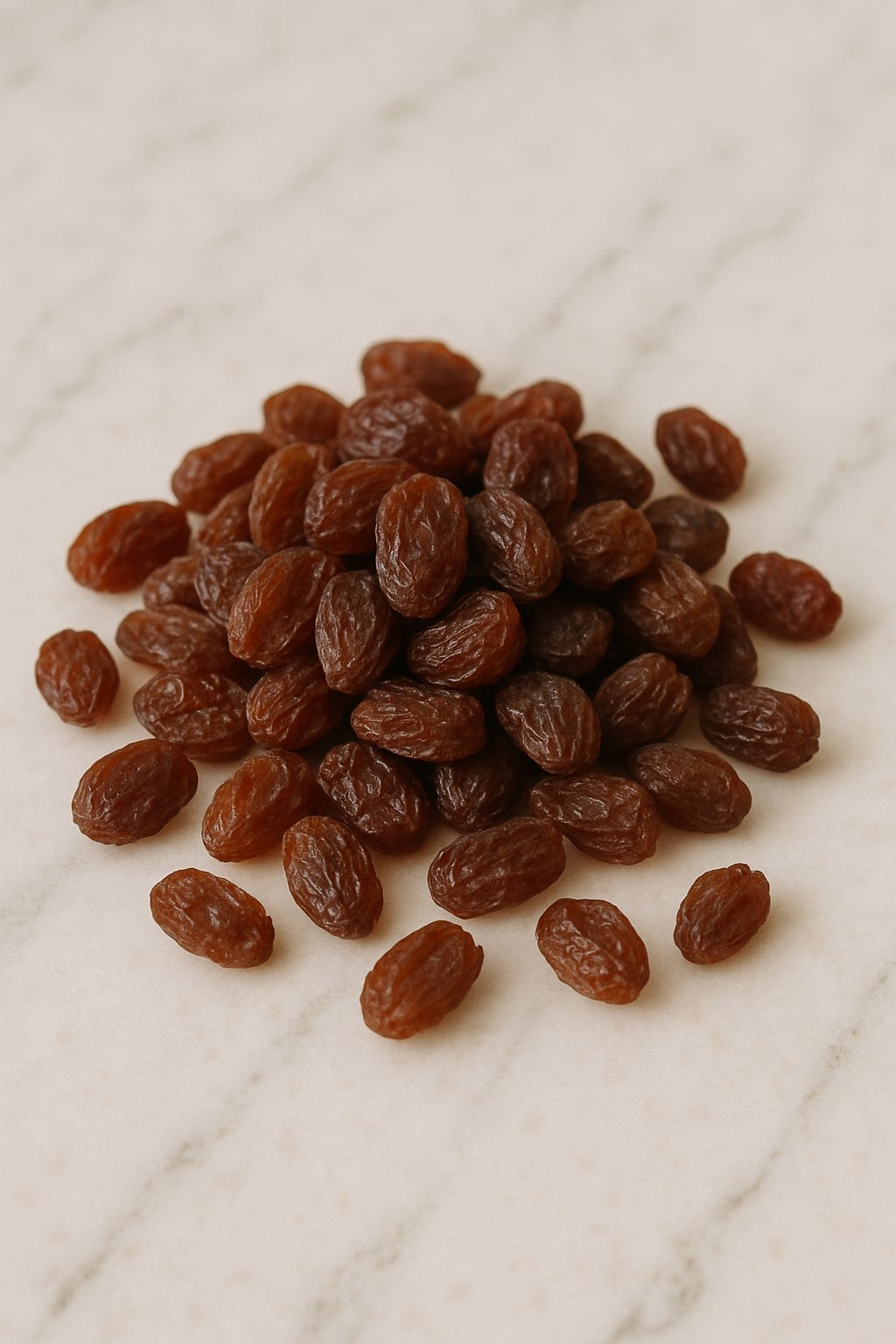
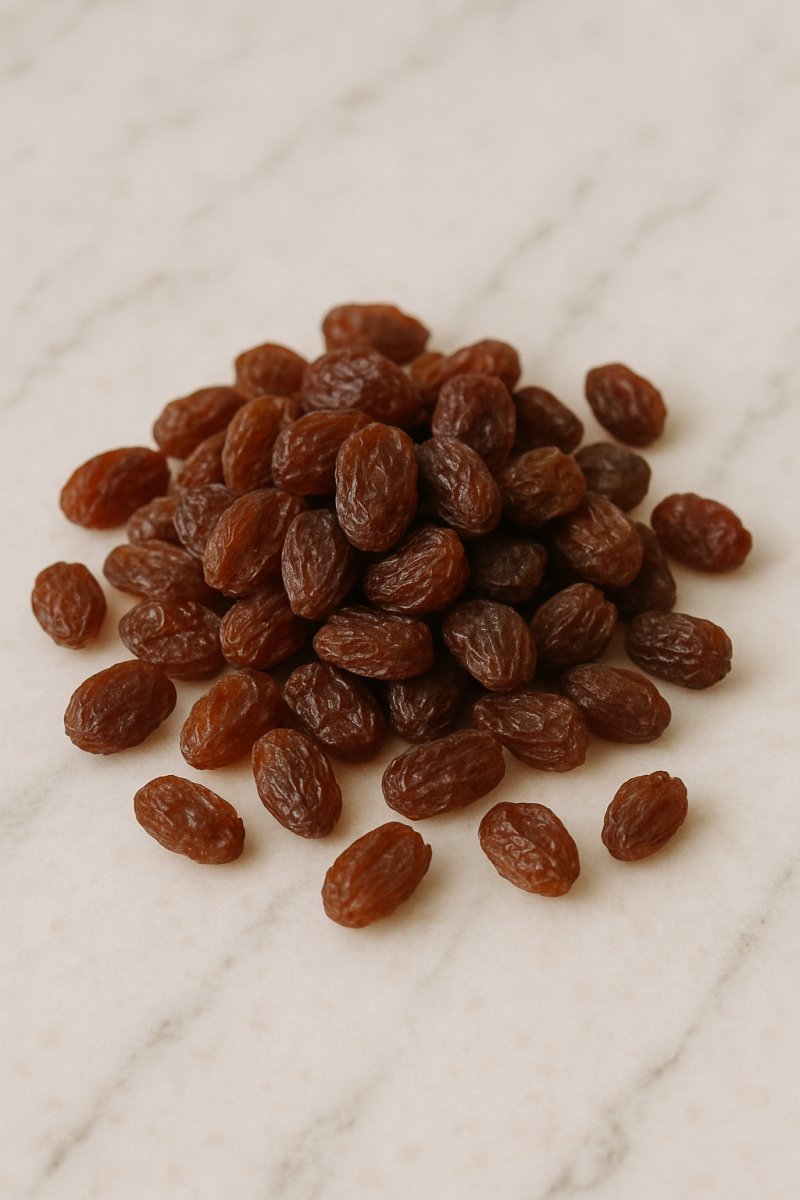
Sultanas are dried grapes and are among the most popular dried fruits. You'll find them in almost every supermarket, often in small packages for muesli, cakes or just for snacking. Because they keep well and do not need refrigeration, they are available year-round. In many regions sultanas are also sold fresh at markets or in specialty food stores. If you look at the label, it usually says "sultanas", sometimes "sultana" or simply "white raisins" — these generally mean the same thing.
Origin and typical growing regions
Sultanas originally come from warm, sunny regions because vines need a lot of sun to produce sweet grapes. Major growing areas include:
- Mediterranean: Countries like Greece, Turkey and Italy grow many grapes for sultanas. These regions have hot summers and little rain at harvest time — ideal conditions for sun-drying.
- California (USA): California is a very important producer. There grapes are sometimes dried in specialized facilities, not just in the sun.
- Chile and Australia: These countries also export many sultanas, especially to distant markets.
- Middle East: Iran and Syria are traditional growing countries with a long history of grape drying.
Different varieties and variants
Although all sultanas are dried grapes, there are subtle differences that some may like or wish to avoid. Here are some important variants, simply explained:
- Color: Sultanas are usually light to golden brown. Sometimes there are dark raisins (from red grapes) and very pale sultanas that have been treated with a little oil or lemon juice before drying so they retain a light color.
- Size: Some sultanas are pea-sized, others are larger. Larger sultanas often have more flesh and taste juicier.
- Flavor: Sultanas are sweet, but some varieties taste almost honey-like, others slightly nutty. That depends on the grape variety and the degree of ripeness.
- Sun-dried vs. mechanically dried: In the past grapes were dried directly in the sun. Today producers often dry them in specialized dryers. Sun-dried sultanas can have a more intense aroma; mechanically dried ones are more uniform in color and texture.
- With or without additives: Some sultanas are simply dried, others are treated with a little oil so they don't stick together or lightly preserved with sulfur dioxide to keep them lighter. If you prefer to avoid these, you can find "unsulfured" or organic sultanas.
Practical shopping tips
When looking for sultanas, check the label: it will say where they come from and whether additives are present. Organic sultanas are a good choice if you want less chemistry. In supermarkets they are often in the dried fruit aisle; health food stores or markets sometimes offer fresher or special varieties. For cakes or muesli you can use ordinary sultanas; for special recipes there are also large, juicy varieties or twisted ones that are extra aromatic.
Sultanas are therefore easy to obtain and come in several types — from very pale, delicate specimens to robust, dark raisins — so there is something for every taste.