Availability and types of spelt
Spelt is a cereal that has been cultivated for many thousands of years. You can think of spelt as a distant relative of wheat: it looks similar but has some distinct characteristics. Spelt originally comes from the Near East and the area around today's Middle East and Europe. From there it spread with the people who practiced agriculture. Today spelt is being grown again more frequently because many people find it tasty and easier to digest.
Growing regions
Spelt grows well in various parts of Europe. Especially large amounts are grown in countries like Germany, Austria and Switzerland. But spelt fields are also found in other regions with a temperate climate, for example in parts of Eastern Europe. Compared with some modern wheats, spelt is often more robust: it tolerates somewhat colder temperatures and copes with less fertile soils. That is why spelt is often seen on smaller farms and in organic operations that prefer natural cultivation methods.
Spelt grows well in various parts of Europe. Especially large amounts are grown in countries like Germany, Austria and Switzerland. But spelt fields are also found in other regions with a temperate climate, for example in parts of Eastern Europe. Compared with some modern wheats, spelt is often more robust: it tolerates somewhat colder temperatures and copes with less fertile soils. That is why spelt is often seen on smaller farms and in organic operations that prefer natural cultivation methods.
Available varieties and variants
Spelt is not just a single variety — like apples there are different types that differ in appearance, taste and use. Here are the main variants, explained simply:
Spelt is not just a single variety — like apples there are different types that differ in appearance, taste and use. Here are the main variants, explained simply:
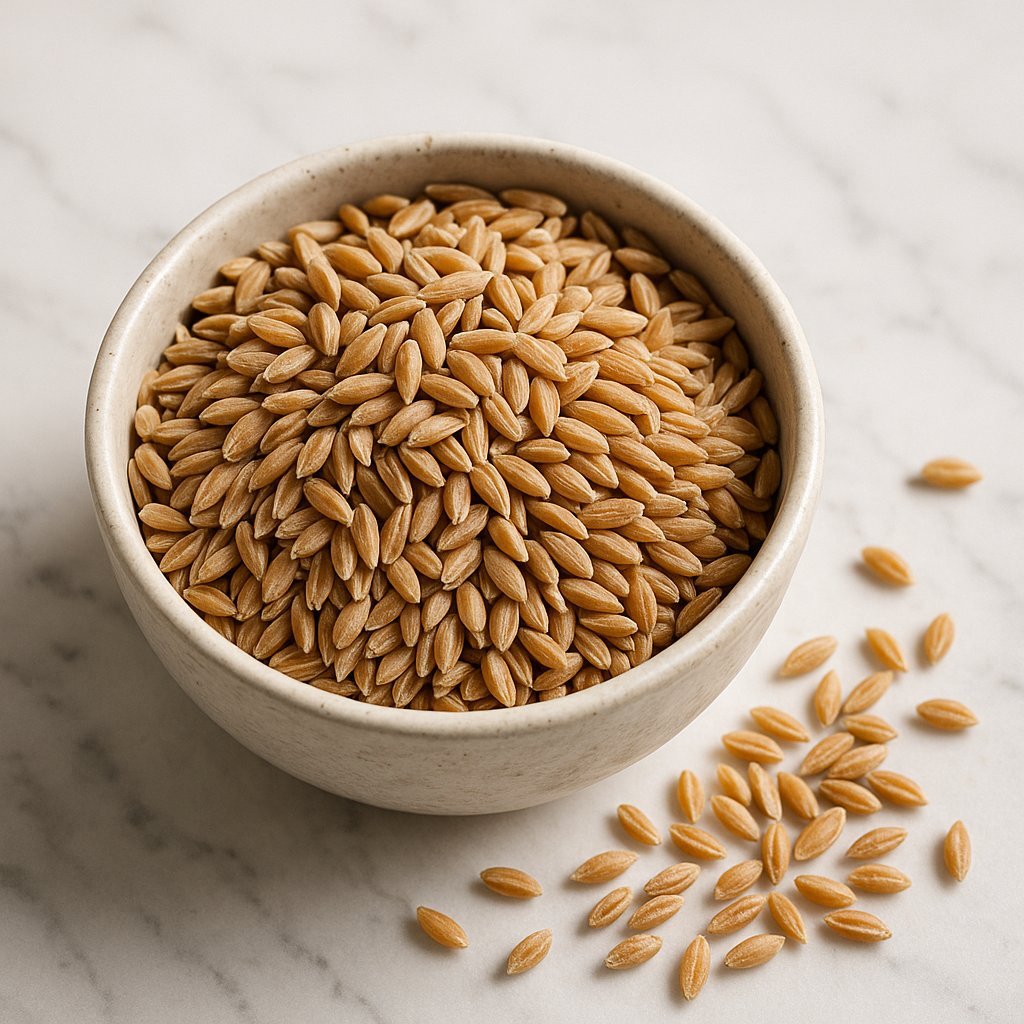
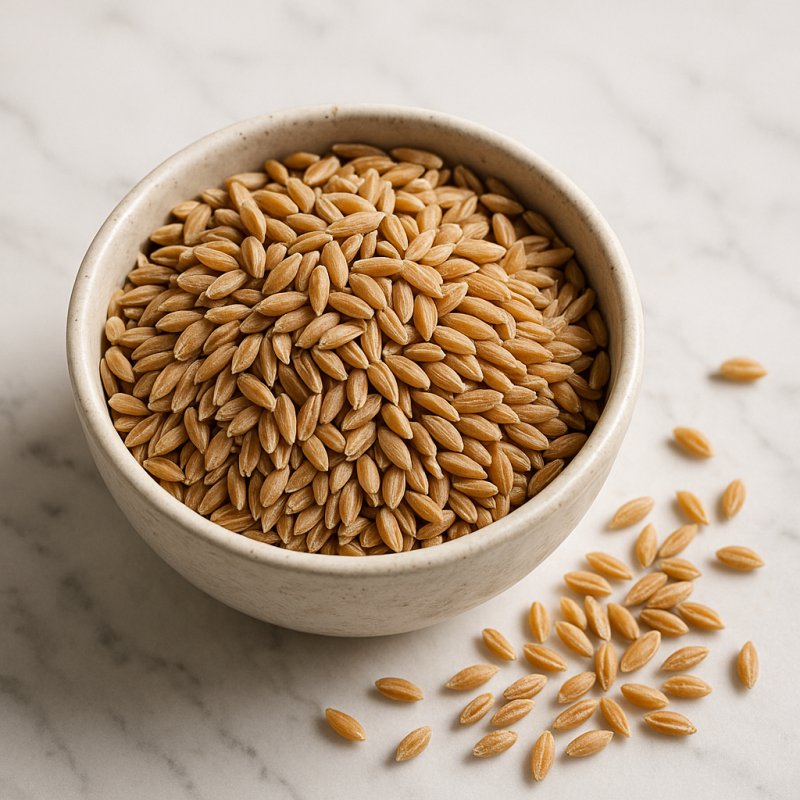
- Whole spelt (whole grain): This is the whole kernel with all parts — hull, germ and endosperm. It is very nutritious because many vitamins, minerals and fibers are contained in the hull. It can be used like whole grain bread or wholemeal flour. It has a somewhat stronger taste.
- Hulled spelt (hull sometimes still on): Spelt has a firmer hull than modern wheat; this hull is called the glume. In hulled spelt the glume is removed so that the grain becomes lighter and finer. It is easier to bake or cook with.
- Spelt flour (types): Just like wheat, spelt flour comes in different degrees of refinement. Lighter flours are more finely milled and are suitable for cakes or fine breads. Darker flours contain more outer layers and are more nutritious, therefore good for hearty breads.
- Spelt flakes and semolina: Flakes are like rolled oats but made from spelt — great for muesli. Semolina is coarser ground grain and is suitable, for example, for porridge or certain pastas.
- Germinable spelt: Some farmers sell kernels that can still germinate. These can be grown at home as sprouts or used as seed. Sprouts are very healthy and have a fresh taste.
- Organic and conventional spelt: Organic spelt is grown without chemical pesticides or artificial fertilizers. Many people prefer it because it is seen as more natural and environmentally friendly. Conventional spelt can yield higher harvests but is cultivated with different methods.
How to find spelt in the store?
Spelt products are now available in most supermarkets, health food stores and natural food shops. Pay attention to the labels: they often say "whole spelt", "spelt flour type ..." or "spelt flakes". In health food stores and organic shops you will also often find special varieties or old spelt types. At weekly markets you can buy spelt directly from the farmer — there you sometimes also get fresher or more unusual variants.
Spelt products are now available in most supermarkets, health food stores and natural food shops. Pay attention to the labels: they often say "whole spelt", "spelt flour type ..." or "spelt flakes". In health food stores and organic shops you will also often find special varieties or old spelt types. At weekly markets you can buy spelt directly from the farmer — there you sometimes also get fresher or more unusual variants.
In summary: spelt originally comes from the Near East and today grows mainly in Europe. There are many variants — from whole grain to flour to flakes — and you can find spelt products in supermarkets, organic stores and directly from producers. So there is something for almost every taste and cooking idea.