Menu & categories

Spelt flour

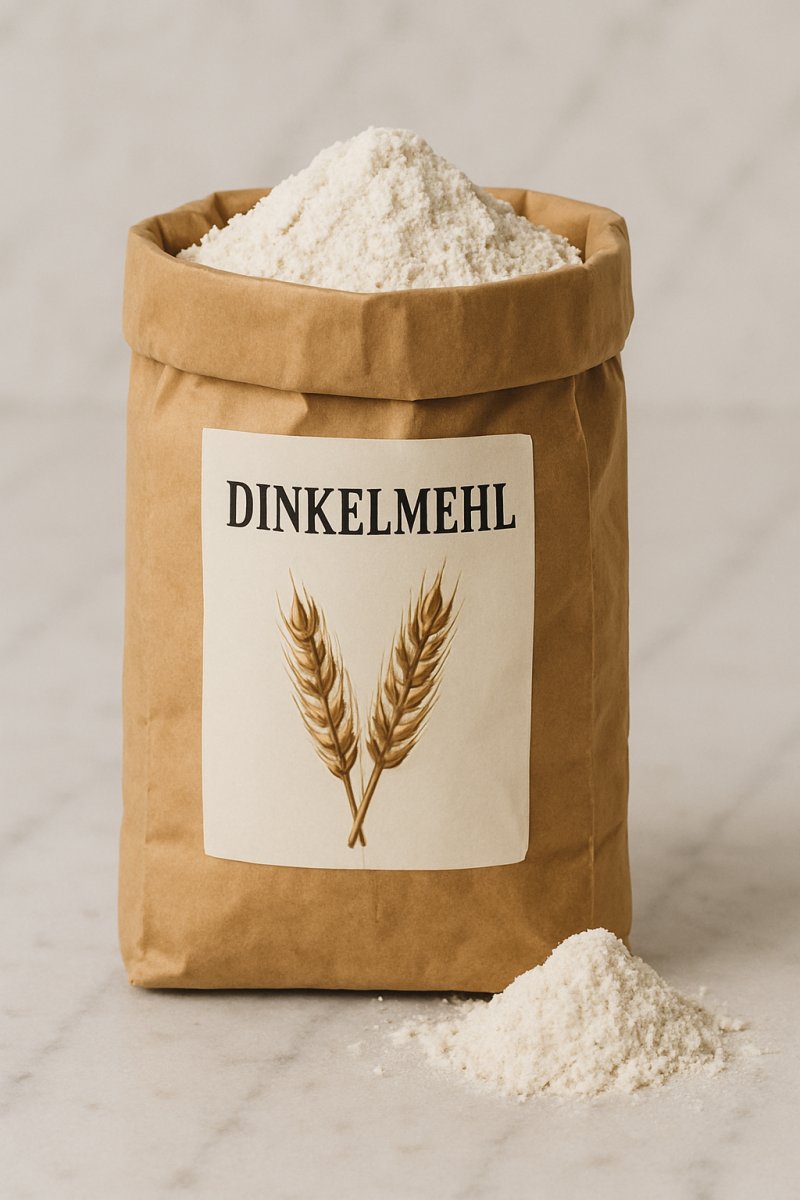
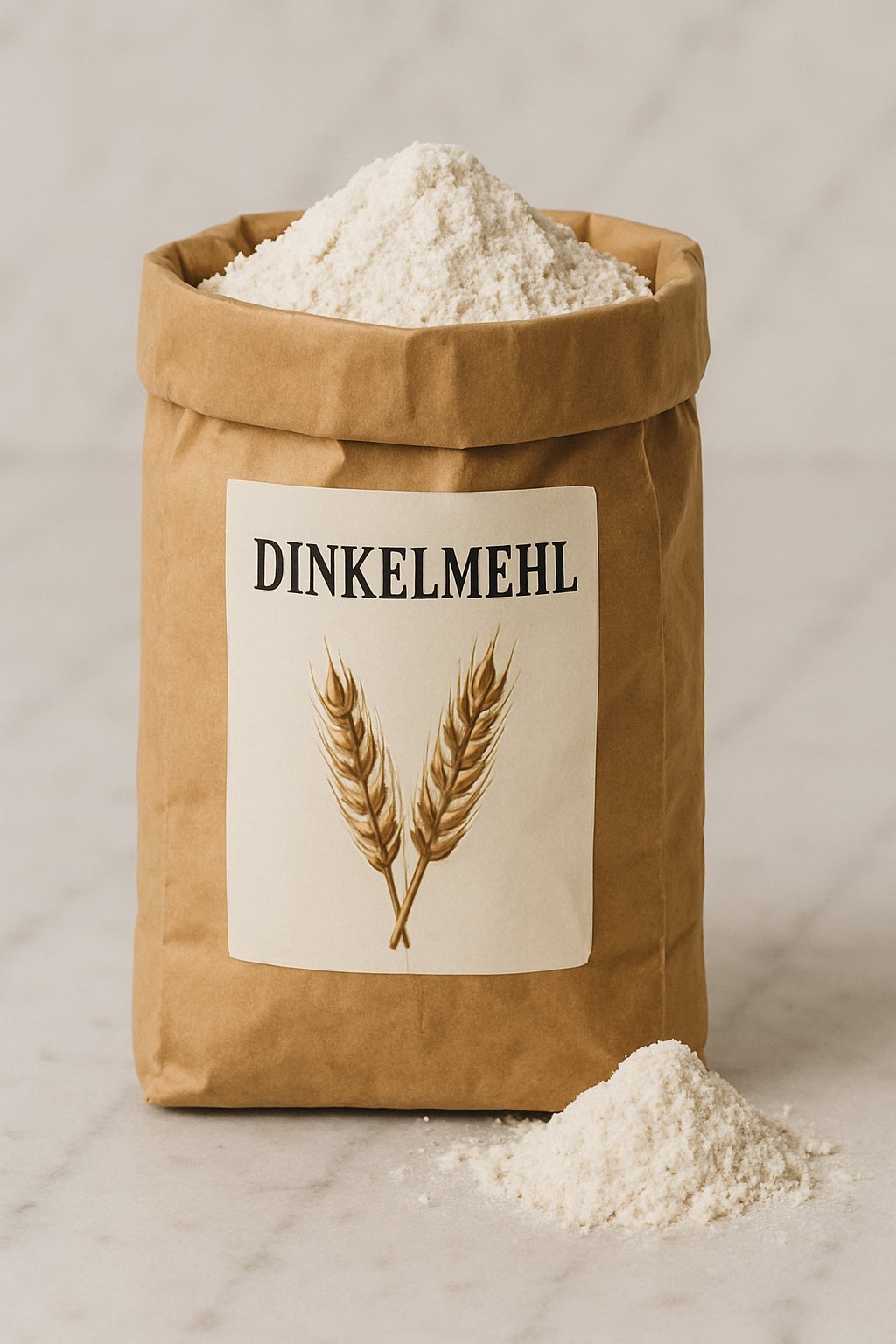
Wholegrain spelt flour with a nutty aroma

Wiki about spelt flour Nutri-Score B Vegan Yes Gluten-free No Lactose-free Yes Nut-free Yes
NUTRITION / 100 g
340 kcal 13.0 g Protein 70.0 g Kohlenhydrate 2.5 g Fett

Introduction

Spelt flour in a bowl with some spelt grains beside it
I have a long, affectionate relationship with spelt flour; it began with a mischievous oven aroma on a rainy Sunday afternoon, when a friend offered me a piece of freshly baked bread and explained she had used only spelt. I took a bite and was immediately impressed: the nutty note, the fine crumb, that rustic warmth so different from standard white flour. Since then spelt flour regularly ends up in my kitchen, sometimes for pancakes, sometimes for a bold attempt at focaccia.

Spelt, botanically related to wheat, feels to me a bit old-fashioned and yet modern. I like that it is often described as easier to digest, with a slightly higher protein content and a flavor that gives bread and pastries depth. A colleague of mine was impressed when I served him a butter cookie recipe made with spelt; he swore he would never bake with just wheat again. Handling is similar, but I adjust the liquids – spelt often absorbs a bit more and requires gentler kneading.

What I particularly appreciate about spelt is its versatility.

  • Bread and rolls: Spelt gives a nice crust and a moist crumb.
  • Pastries and cakes: It provides a tender, light texture with a slightly nutty aroma.
  • Yeasted doughs: Patience during resting is worthwhile here so the structure is not overstrained.
  • Sauces and thickeners: Spelt flour works well for thickening when I want to give sauces a fuller body.
I still remember a market stall in a small town where the farmer's wife told me about her old spelt seed. That connection to origin left a mark on me: to me spelt is not just an ingredient but also a piece of culture. When baking I make a point of tasting freshly milled flour, because the difference is often striking. Sometimes I blend spelt with other flours to achieve a balance between lightness and flavor.

I have picked up practical tips over the years: less kneading, a little more liquid and patience with rising give the best results. When I have guests I like to serve a pull-apart spelt bread – it is simple, sociable and shows how adaptable this flour is. I find that once people try spelt they often discover new favorite recipes and a distinctive flavor that brings warmth and personality to the kitchen.

Availability & types

Availability and types of spelt flour

Spelt is an ancient cereal related to wheat. Spelt flour is made by grinding spelt grains. It is available in many supermarkets, organic shops and farmers markets because many people like the nutty taste and the slightly different baking properties. You can buy spelt flour in small packages for home use or in larger sacks from a baker or miller.

Origin and growing regions
Spelt has been cultivated for thousands of years. It used to be one of the most important cereals in Europe. Today farmers grow spelt mainly in countries such as Germany, Austria, Switzerland, France and some regions of Eastern Europe. Spelt is also grown in North America, but on a smaller scale.

Spelt grows well on fields that are not too rich in fertilizer. Many farmers cultivate spelt organically, meaning without many artificial additives. That fits well with the ingredient, because spelt is often associated with natural and traditional production. If you see the label Bio it means stricter rules were followed during cultivation.

Available varieties and forms
There is not just one kind of spelt flour. As with wheat, different types are distinguished depending on how finely the grain was milled and how much bran (fiber) remains. Here are the main variants, simply explained:

  • Whole grain spelt flour: This is like an unpeeled apple. In whole grain the bran remains, so it is darker and contains more fiber and vitamins. It tastes stronger and keeps you fuller for longer.
  • White spelt flour (also called refined flour): This is like a peeled apple – the skin has been removed. It is lighter, finer and well suited for cakes and delicate baked goods. Some people find it more pleasant in taste, others prefer the whole grain version.
  • Spelt flour types: In some countries numbers are used for flour types that indicate how much mineral content is in the flour. Think of the number as a pointer to how "whole" the flour still is. A higher value usually means a darker flour.
  • Spelt semolina and grits: These are coarser forms. Semolina consists of coarser pieces used for porridge or certain breads. Grits are coarser than flour and are sometimes used in mixed breads to give a firm, crunchy texture.
  • Fine and coarse flour: Some packages say fine or coarse. Fine is suitable for cakes or pancakes, coarse for rustic breads or rolls.
Special notes on availability
Spelt flour is easy to find in many supermarkets, usually in the cereal or baking aisle. Organic shops often carry several varieties, for example organic whole grain or special regional types. If you are looking for something specific, like very finely milled flour or a particular brand, you can order online or buy directly from the miller. At farmers markets you sometimes find freshly milled spelt flour from local producers – it often tastes especially fresh.

In summary: spelt flour comes in many variants – from light, fine flour to dark whole grain flour and coarse grits. It mainly comes from Europe, where it grows on fields with different cultivation methods. By trying different varieties you will quickly notice which texture and flavor you prefer.
Details & nutrition

Property Value
Unit g
Calories per 100 340
Protein per 100 13.0
Carbohydrates per 100 70.0
Sugar per 100 1.5
Fat per 100 2.5
Saturated fat per 100 0.4
Monounsaturated fat 0.3
Polyunsaturated fat 1.2
Fiber per 100 8.0
Vitamin C (mg) per 100 0
Vitamin D (IU) per 100 0
Calcium (mg) per 100 25
Iron (mg) per 100 3.5
Nutri-Score B
CO₂ footprint 0.6
Origin Europe
Gluten-free No
Lactose-free Yes
Nut-free Yes
Vegan Yes
Note Nutritional values refer to commercially available spelt flour Type 630; values may vary slightly depending on the manufacturer.

Technical & scientific information

Spelt flour is a flour obtained from the cereal species Triticum spelta, which differs from common wheat in botanical and nutritional terms. Spelt belongs to the grass family and is one of the oldest cultivated cereal species. Its grains are surrounded by a hard hull (husk) that must be removed during threshing. Depending on the degree of milling and grinding, whole grain, type or refined flours are produced with different proportions of bran and germ.

Chemical composition and constituents
Spelt flour consists mainly of carbohydrates, predominantly starch, which make up about 60–70% of the dry weight. Protein content is typically higher than in wheat and ranges, depending on variety and quality, at about 12–18%. These proteins include various storage proteins, including gliadins and glutenins, which together form the gluten network and thus influence baking properties. Spelt flour also contains dietary fiber (especially cellulose, hemicelluloses) in higher amounts in whole grain flour, lipids to a small extent, vitamins (mainly B vitamins such as thiamine, niacin, folate) and minerals like magnesium, iron, zinc and phosphorus. Bioactive secondary plant compounds and antioxidants are present in small amounts and can vary depending on growing and processing conditions.

Nutritional values (example values per 100 g, rounded figures)

  • Calories: approx. 330–360 kcal
  • Carbohydrates: 60–70 g
  • Proteins: 12–18 g
  • Fat: 1.5–3.5 g
  • Fiber: 6–12 g (significantly higher in whole grain)
Processing methods
The production of spelt flour begins with cleaning and drying the harvested hulled grains. Afterward the husking (dehulling) takes place, since spelt naturally grows in a hard hull. Modern methods use mechanical dehulling, sometimes combined with controlled moisture treatment to free the grains without damaging the germ. The dehulled grain (green kernel) is then milled traditionally or with roller or stone mills into flour. The milling method determines the type: whole grain flour includes all fractions (germ, endosperm and bran), while type or refined flours have finer residues. In industrial processing additional steps such as sieving, homogenization and, if applicable, enrichment are carried out.

Technological properties in baking
Spelt proteins form, as in wheat, a gluten network that affects dough structure and gas retention. However, spelt gluten is usually more sensitive to overworking and sourdough processes, because the proteins denature more easily and bind liquids differently. Spelt flour often requires slightly less water than wheat flour, but leads to a finer crumb and aromatic taste. For certain baked goods such as breads, rolls and pastries, a blend with wheat flour is often used to optimize elasticity and volume.

Health aspects
From a nutritional science perspective spelt flour offers some advantages: a slightly higher protein content, a favorable mineral profile and a higher fiber content in whole grain variants contribute to satiety and nutrient intake. However spelt also contains gluten and is unsuitable for people with celiac disease or severe gluten intolerance. In sensitive individuals with irritable bowel syndrome spelt can sometimes be better tolerated than modern wheat, but this varies individually. Allergic reactions to spelt proteins are possible, though less common than some wheat allergies.

Storage and quality factors
Spelt flour should be stored dry, cool and protected from light to avoid oxidation, pest infestation and quality loss. Whole grain flours contain more fatty components (germ) and therefore tend to go rancid more quickly; cool storage prolongs shelf life. Sensory quality attributes are aroma, fineness of milling, color and baking properties.

Spelt flour is therefore a nutritionally interesting alternative to modern wheat flour with characteristic baking properties and a specific nutrient profile; its suitability depends on processing, variety and individual tolerances.

Wiki entry for: spelt flour
Active now: 11 visitors of which 2 logged-in members in the last 5 minutes