Menu & categories

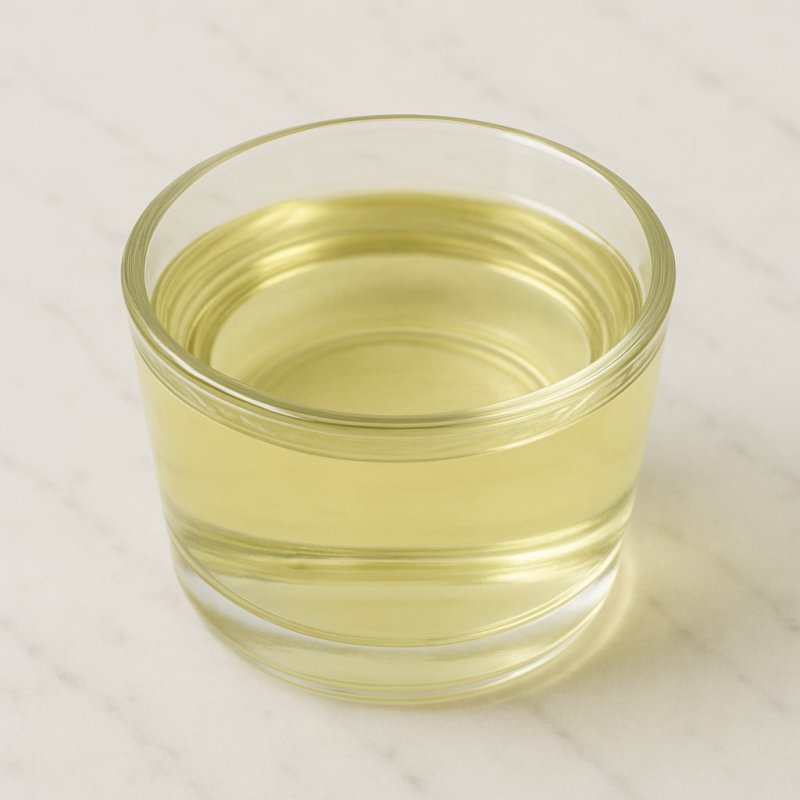
Soybean oil

Mild vegetable oil with a high proportion of unsaturated fatty acids

Wiki about soybean oil Nutri-Score C Vegan Yes Gluten-free Yes Lactose-free Yes Nut-free Yes
NUTRITION / 100 g
884 kcal 0 g Protein 0 g Kohlenhydrate 100 g Fett

Introduction

Bottle of soybean oil
Soybean oil in my European kitchen has long been more than just a neutral pantry ingredient. As a 35-year-old editor who researches extensively, I regularly test oils in the frying pan, salad bowl and oven. I have noticed how versatile soybean oil is in everyday recipes and how many questions arise around origin, production, nutritional values and sustainability. In this introductory text I want to bring all that together: practical experience, well-founded information and small anecdotes from editorial life.

Let's start with the origin. Soybean oil is obtained from the seeds of the soybean, a legume that is cultivated worldwide. The largest producers are traditionally countries like the USA, Brazil and Argentina. In Europe I encounter soybean oil mainly as a versatile household oil, often in refined form. European demand has varied in recent years for different reasons: conscious consumption, debates about sustainability, but also simple practicality in the kitchen.

Production usually takes place in several steps. First the beans are cleaned, dehulled and processed into so-called flakes. Then extraction with solvents such as hexane is often used, followed by refining. This process includes degumming, deacidification, bleaching and deodorization. The result is an oil with a light color, neutral taste and high smoke point. There is also cold-pressed soybean oil, which is more aromatic and less processed, but it is rarer on the market and has a lower smoke point, making it more suited to cold applications.

What convinces me in practice: soybean oil is extremely versatile. I use it to sauté vegetables, for quick pan dishes and for baking. Its high smoke point in refined form makes it heat-stable, and its neutral note lets other ingredients shine. A colleague of mine swears by brushing his crispy roast potatoes exclusively with soybean oil because they brown so evenly. A friend who cooks a lot of Asian food prefers it in the wok when she wants to bring garlic, ginger and soy sauce forward.

Also

Availability & types

Availability and types of soybean oil

Soybean oil is one of the most widely used vegetable oils worldwide. It is obtained from the seeds of the soybean, which are mainly grown in countries such as the USA, Brazil, Argentina, China and India. Because soybeans are produced in large quantities and are versatile, soybean oil is almost always readily available — in supermarkets, foodservice wholesalers and even in many online shops. For you this means: if you are looking for soybean oil, you will almost always find it in various sizes, from small bottles for the kitchen to large cans for restaurants.

Soybean oil is popular because it has a mild flavor that does not dominate. It also has a relatively high smoke point (especially when refined). This makes it suitable for frying and deep-frying, but also for salad dressings and mayonnaise. In many processed foods soybean oil is one of the standard ingredients because it is inexpensive, stable and neutral in taste.

Origin and production

Soybean oil is produced by pressing or extracting the oil fractions from soybean seeds. There are two main routes:

  • Cold pressing: the seeds are mechanically pressed without high heat. More natural aromas and components are retained, but the yield is lower and the oil can taste slightly nutty.
  • Refining after extraction: here the oil is dissolved from the seed mass with solvents and then purified (refined). The result is a very clear, light, neutral oil with high stability and a long shelf life.
Depending on the production method, different types of soybean oil arise that differ in flavor, color, nutrients and use.

Important types and variants

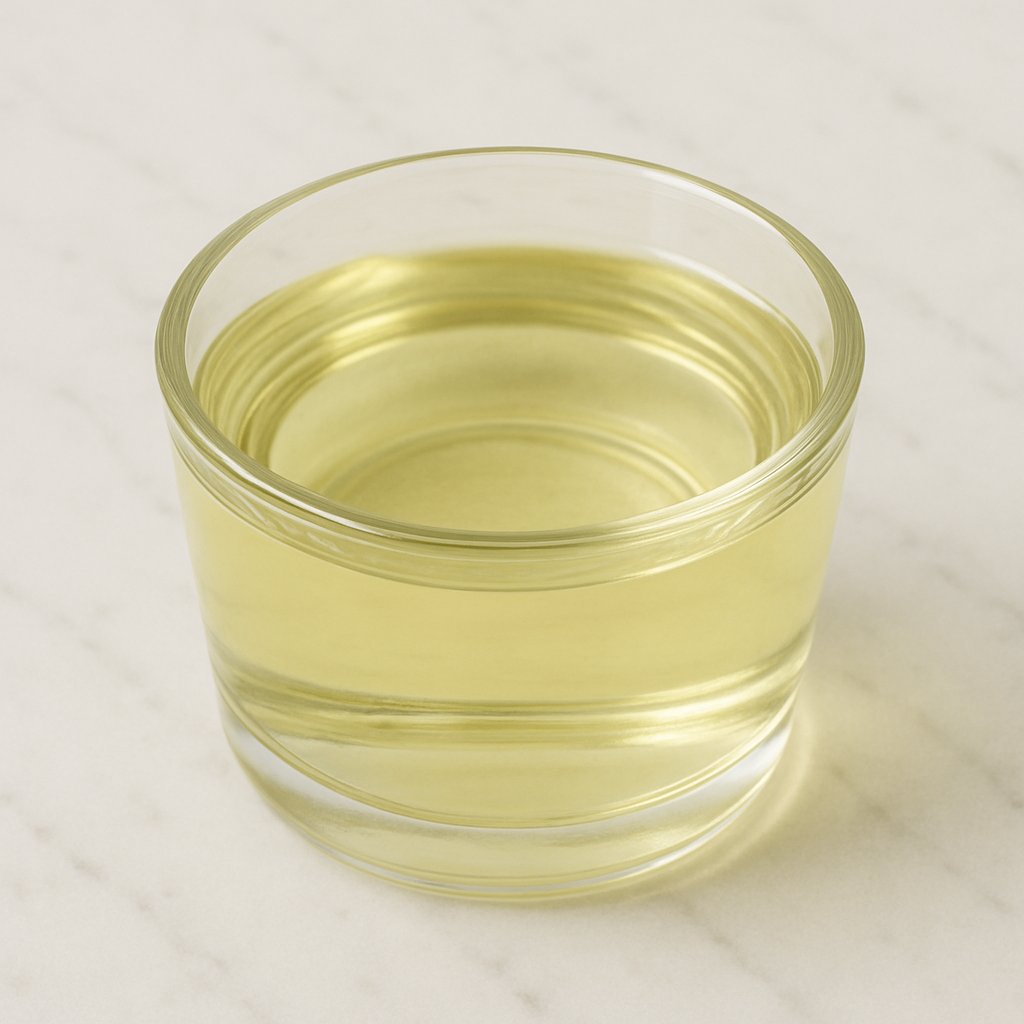
  • Refined soybean oil: this is the most common variant on the market. It is pale yellow, almost tasteless and has a high smoke point. Ideal for frying, baking and deep-frying. Because it is neutral, it suits many dishes without overpowering them
Details & nutrition

Property Value
Unit g
Calories per 100 884
Protein per 100 0
Carbohydrates per 100 0
Sugar per 100 0
Fat per 100 100
Saturated fat per 100 15
Monounsaturated fat 24
Polyunsaturated fat 61
Fiber per 100 0
Vitamin C (mg) per 100 0
Vitamin D (IU) per 100 0
Calcium (mg) per 100 0
Iron (mg) per 100 0
Nutri-Score C
CO₂ footprint 2.5 kg CO2e/kg
Origin Worldwide (mainly USA, Brazil, Argentina, China)
Gluten-free Yes
Lactose-free Yes
Nut-free Yes
Vegan Yes
Note Refined soybean oil contains practically no proteins, yet is required to be labeled as an allergen. High proportion of omega-6 fatty acids.

Technical & scientific information

Soybean oil is a vegetable edible oil obtained from the seeds of the soybean (Glycine max). It is one of the most important oils worldwide by volume and is used in food, industry and pharmaceuticals. It is characterized by a high content of polyunsaturated fatty acids, versatile technological processability and suitability for cold and hot culinary applications. In food technology soybean oil serves as a carrier for fat-soluble vitamins, as an emulsifier component after modification and as a functional lipid in baked goods, dressings, margarines and snacks.

Botanical and agronomic origin: soybeans are cultivated in temperate to subtropical climates, with main growing areas in the USA, Brazil, Argentina and China. The oil content of the bean typically ranges from 18–21 %, depending on variety, location, harvest time and post-ripening. The seeds contain, besides oil, 35–40 % protein and minor components such as phytosterols, tocopherols and phospholipids. Harvest and post-treatment (cleaning, drying to approx. 12–13 % moisture) influence oxidation stability and the efficiency of subsequent oil recovery.

Production and processing: industrially, soybean oil is mainly obtained by hexane extraction from ground, conditioned and flaked soybeans. The process includes cell structure disruption, dissolution of lipids in the solvent and subsequent desolventizing/drying of the meal (soybean cake) for the feed industry. Mechanical pre-pressing and gentle cold pressing are used alternatively or in addition. Crude soybean oil contains free fatty acids, phospholipids (gums), pigments, metals and odor compounds. Refining is multi-stage: de-l lecithinization (washing/enzymatic), deacidification (neutralization with alkali), bleaching (with adsorbents such as bleaching earth/activated carbon) and deodorization (steam distillation under vacuum). These steps lower peroxide and acidity values, remove colorants and reduce volatile off-flavor components.

Wiki entry for: soybean oil
Active now: 17 visitors of which 2 logged-in members in the last 5 minutes