Menu & categories

Sour cherries

Aromatic, tart cherries with a high antioxidant content

Wiki about sour cherry Nutri-Score A Vegan Yes Gluten-free Yes Lactose-free Yes Nut-free Yes
NUTRITION / 100 g
50 kcal 1.0 g Protein 12.2 g Kohlenhydrate 0.3 g Fett

Introduction

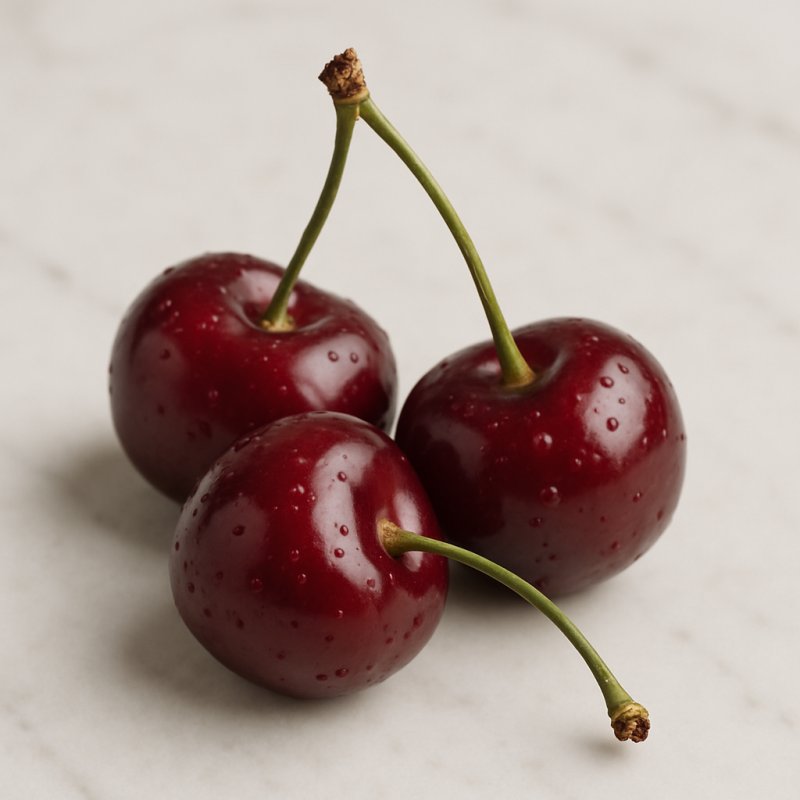
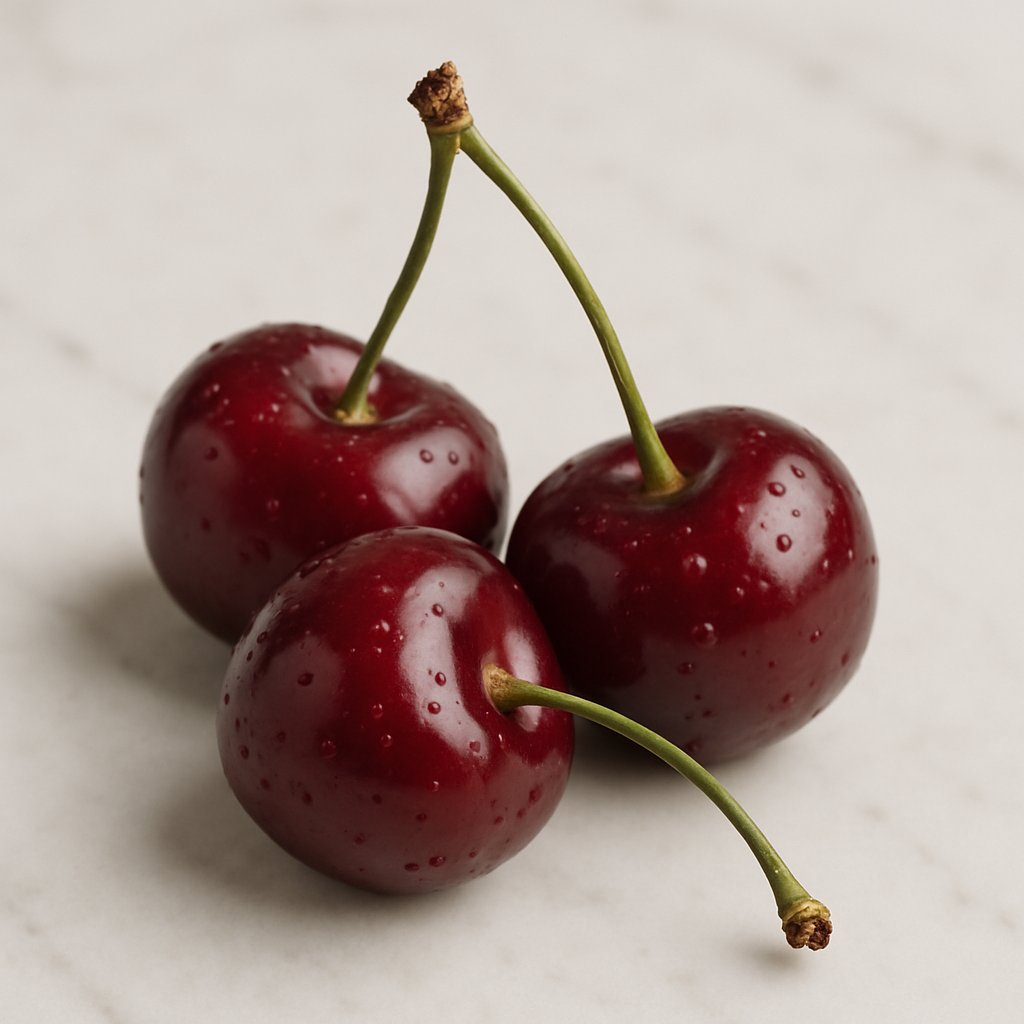
Fresh sour cherries with stems in a bowl
I still clearly remember the first cake attempt where sour cherries were the centerpiece: the kitchen smelled of sugar and summer, while the bright red filling appeared like a small miracle when sliced. Sour cherries, also called morellos or Weichseln, are for me the bittersweet memory of long afternoons and improvised desserts. They have that fine balance between freshness and acidity that immediately makes simple baked goods feel more grown-up.

What I especially love about sour cherries is their versatility. Fresh they offer a fruity, slightly tart experience; cooked they develop a velvety depth; dried or turned into jam they are perfect companions for cheese or dark chocolate. A colleague once brought a jar of sour cherry confit that was so intense it turned my simple bowl of yogurt into a feast.

  • Taste: distinctly tart, yet fruity and aromatic
  • Uses: cakes, compote, juices, liqueurs, savory sauces
  • Storage: best kept cool and used quickly or frozen
Botanically, sour cherries are smaller and often firmer than sweet cherries, with a higher acid content. This trait makes them ideal for recipes that need sweetness with structure and bite. Once I tried incorporating them into an autumn wild boar sauce — the combination was surprisingly harmonious: the acidity cut through the fat and brought clarity to the plate.

When shopping, I look for shiny, unblemished fruit with a firm stem attachment; this is usually a sign of freshness. In the garden they are undemanding, but growers need patience: some varieties leaf out early, others ripen late, and the harvest is often short but productive enough for preserving jars and spontaneous baking ideas.

I like to pair sour cherries with spices like cinnamon, vanilla, or a little pepper to broaden their aromatic range. For me they are more than just an ingredient: they evoke memories, invite creativity, and bring a pleasant, refreshing acidity to many dishes. When I have guests, I often serve a small jar of sour cherry compote with cheese — the surprised faces are every time the best confirmation.

Availability & types

Availability and types of sour cherries

Sour cherries are small red fruits with a tart flavor. They are popular in many countries because they are well suited for baking, cooking, or preserving. Knowing where they come from and what types exist helps when shopping and when processing them in the kitchen. I explain this in an easy-to-understand way.

Origin
Sour cherries originally come from Europe and parts of Western Asia. People gathered these cherries long ago and later cultivated them intentionally. Over time sour cherries adapted to different climates and soils. That means: they grow best in cool or temperate regions because they do not like very hot summers.

Growing regions
Sour cherries are grown in many places today. Cold frosts in winter and a sunny summer are important so the fruits ripen well. Well-known growing regions include:

  • Central Europe: Countries such as Germany, Poland and Austria produce many sour cherries. In Germany they are particularly popular in fruit-growing regions.
  • Southeast Europe: Countries like Serbia and Montenegro have large cherry plantations and often export fruit to other countries.
  • North America: Sour cherries are also grown in the USA and Canada, especially in cooler parts like the Northwest or Michigan.
  • Other regions: In some parts of Asia and South America there is cultivation as well, where the climate allows it.
Available varieties and forms
Sour cherries do not come in just one type. You can compare them roughly to apples: there are many varieties that differ in shape, color or taste. Important varieties are:

  • Morello (morello cherries): This variety is very well known. The fruits are often dark red to almost black, have a strong flavor and are popular for baking.
  • Münchener and Montmorency: These are two different varieties commonly found in trade. Montmorency is somewhat lighter and very popular in North America because it keeps its shape and flavor well during cooking.
  • Breeding varieties (cultivars): Farmers also breed special varieties that are more resistant to frost or disease. These varieties often deliver a more consistent harvest.
Fresh, frozen or processed
Sour cherries are available in different forms in stores. You can think of this selection like different "storage methods":

  • Fresh: Right after harvest the cherries are fresh. They are juicy and have the most intense aroma, but they are only available for a short time because they spoil quickly.
  • Frozen: Many cherries are frozen immediately after harvest. Frozen cherries are practical because they can be stored for a long time and behave almost like fresh ones when baked.
  • Canned and jarred: Sour cherries are also available in syrup or pickled. These are longer lasting and are suitable for desserts or as cake toppings.
  • Dried or as juice: You can also find cherries dried or as juice. Dried cherries are a sweet snack option, and juice is ideal for drinks or for flavoring dishes.
Practical tip
When you are in the store looking for sour cherries, pay attention to the season: fresh cherries are usually only available in summer. For year-round use, frozen cherries or jarred ones are a good choice. This way you always have the sweet-and-sour flavor on hand, whether for cakes, compote, or a fruity juice.
Details & nutrition

Property Value
Unit g
Average weight per piece 8
Calories per 100 50
Protein per 100 1.0
Carbohydrates per 100 12.2
Sugar per 100 12.0
Fat per 100 0.3
Saturated fat per 100 0.07
Monounsaturated fat 0.08
Polyunsaturated fat 0.15
Fiber per 100 1.6
Vitamin C (mg) per 100 10
Vitamin D (IU) per 100 0
Calcium (mg) per 100 15
Iron (mg) per 100 0.4
Nutri-Score A
CO₂ footprint 0.4
Origin Europe, predominantly temperate regions
Gluten-free Yes
Lactose-free Yes
Nut-free Yes
Vegan Yes
Note Nutritional values for fresh, pitted sour cherries; values may vary slightly depending on variety and ripeness.

Technical & scientific information

Sour cherries (Prunus cerasus) are a fruit species in the rose family (Rosaceae) and are botanically distinguished from the sweeter sweet cherries (Prunus avium). They are characterized by their tart taste, dark to reddish color, and a relatively high acid content, which makes them, besides fresh consumption, particularly suitable for processing into juices, preserves, baked goods and canned products. The cultivation includes several varieties and subforms, including the more acidic morellos (also called Schattenmorellen) and the lighter sour cherry forms, which differ in fruit size, yield and frost sensitivity.

Botanical and plant physiological characteristics: Sour cherry trees flower from summer to late season and are mostly self-incompatible or only partially self-fertile, which is why pollinating varieties are important for a good yield. The fruit is botanically a drupe with a single hard endocarp (stone) around the seed. Ripening, color and taste are determined by pigments, sugar and acid content and secondary plant compounds. Temperature conditions and sunlight exposure influence anthocyanin formation and thereby the intensity of the red coloration.

Chemical composition and nutritional values: Fresh sour cherries consist mainly of water (about 80–85 %), carbohydrates (mainly simple sugars such as glucose and fructose) and small amounts of protein and lipids. Typical nutritional values per 100 g are around 50–70 kcal, 10–16 g carbohydrates, 1–2 g fiber, 0.5–1 g protein and negligible fat amounts. Mineral-wise they contain potassium, calcium and magnesium as well as trace elements. The pH ranges roughly from 3 to 4, depending on variety and ripeness, since organic acids such as malic, citric and especially D(-)-malic acid dominate. The fruits are rich in secondary plant compounds, particularly anthocyanins (responsible for red/dark pigments) and other flavonoids, along with small amounts of vitamin C and vitamin A precursors (carotenoids).

Secondary plant compounds and health aspects: Anthocyanins and other polyphenols in sour cherries are the subject of scientific research because of their antioxidant properties. Studies indicate that concentrated extracts or sour cherry juice may reduce inflammation markers, lessen oxidative stress and potentially improve recovery after intense exercise. However, individual data and study types vary greatly; clear causal health effects from regular consumption as a whole food are not fully established. The organic acids and fibers present support digestion, while potassium can have positive effects on electrolyte balance and blood pressure. People with fructose intolerance or sensitive stomachs should be aware of irritation due to acidity.

Processing and technological aspects: Sour cherries are processed in many forms: as frozen product, fruit preserves, juice, jam, dried fruit (occasionally) and as an ingredient in baked goods like cherry pies and clafoutis. In juice and jam production, pitting, pasteurization and concentration are common steps. Pitting can be enzymatic or mechanical; the endocarp must be removed without disproportionately destroying the fruit structure. Pasteurization serves microbial stabilization, while vacuum concentration and freeze-drying can help minimize nutrient and aroma losses. Fermentations are possible, both alcoholic (cherry wine) and lactic, with the high acid values supporting microbiological stability.

Storage and sensory properties: Fresh sour cherries are sensitive to pressure, light and microorganisms and should be cooled shortly after harvest (ideally 0–2 °C and high humidity) to reduce water loss and mold growth. Sensorially they are characterized by a balanced mix of acidity and fruit aroma; full flavor usually develops only at full ripeness, while too-early harvest can increase tannin content and the perception of bitterness.

Overall, sour cherries are a nutritionally interesting ingredient with pronounced acid and polyphenol content, versatile processing properties and biologically studied effects that still require further investigation regarding their clinical relevance.

Wiki entry for: sour cherry
Active now: 6 visitors of which 2 logged-in members in the last 5 minutes