Availability and types of sour cherries
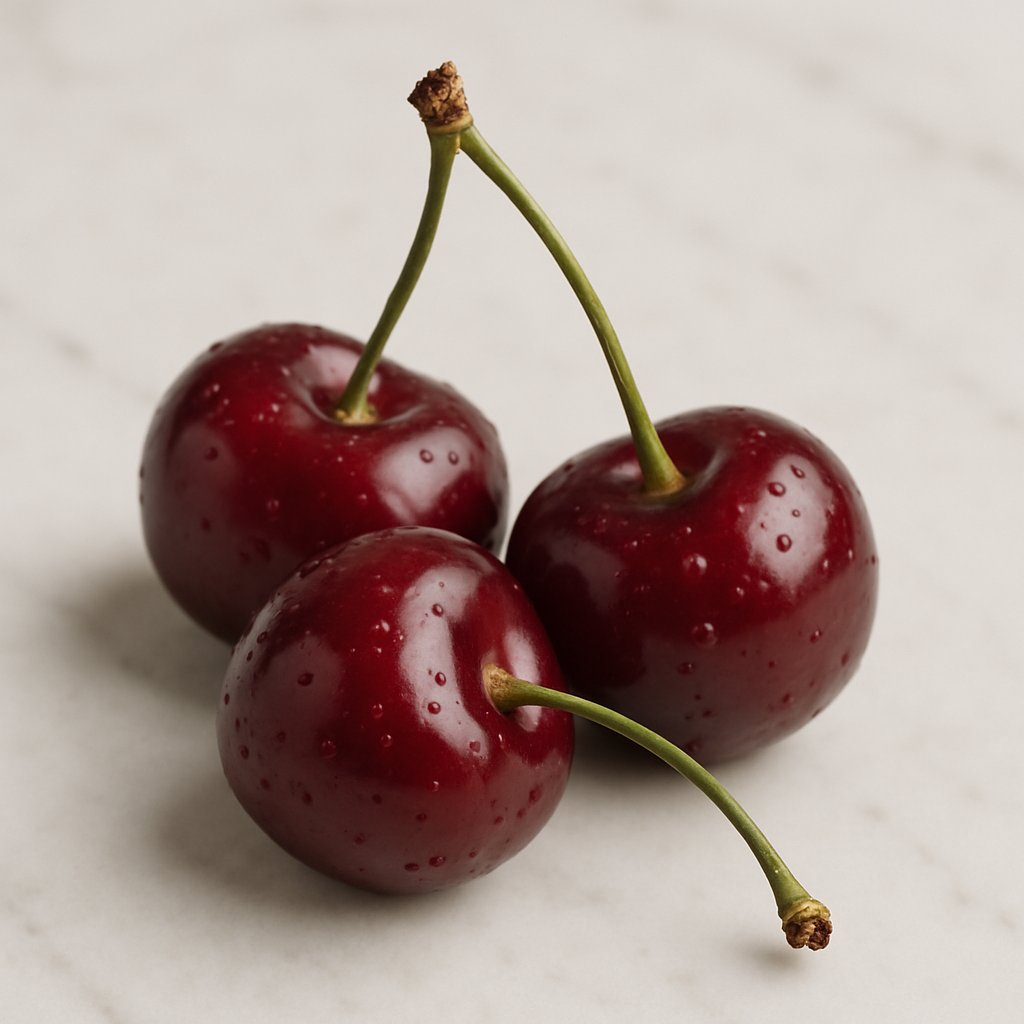
Sour cherries are small red fruits with a tart flavor. They are popular in many countries because they are well suited for baking, cooking, or preserving. Knowing where they come from and what types exist helps when shopping and when processing them in the kitchen. I explain this in an easy-to-understand way.
Origin
Sour cherries originally come from Europe and parts of Western Asia. People gathered these cherries long ago and later cultivated them intentionally. Over time sour cherries adapted to different climates and soils. That means: they grow best in cool or temperate regions because they do not like very hot summers.
Sour cherries originally come from Europe and parts of Western Asia. People gathered these cherries long ago and later cultivated them intentionally. Over time sour cherries adapted to different climates and soils. That means: they grow best in cool or temperate regions because they do not like very hot summers.
Growing regions
Sour cherries are grown in many places today. Cold frosts in winter and a sunny summer are important so the fruits ripen well. Well-known growing regions include:
Sour cherries are grown in many places today. Cold frosts in winter and a sunny summer are important so the fruits ripen well. Well-known growing regions include:
- Central Europe: Countries such as Germany, Poland and Austria produce many sour cherries. In Germany they are particularly popular in fruit-growing regions.
- Southeast Europe: Countries like Serbia and Montenegro have large cherry plantations and often export fruit to other countries.
- North America: Sour cherries are also grown in the USA and Canada, especially in cooler parts like the Northwest or Michigan.
- Other regions: In some parts of Asia and South America there is cultivation as well, where the climate allows it.
Available varieties and forms
Sour cherries do not come in just one type. You can compare them roughly to apples: there are many varieties that differ in shape, color or taste. Important varieties are:
Sour cherries do not come in just one type. You can compare them roughly to apples: there are many varieties that differ in shape, color or taste. Important varieties are:
- Morello (morello cherries): This variety is very well known. The fruits are often dark red to almost black, have a strong flavor and are popular for baking.
- Münchener and Montmorency: These are two different varieties commonly found in trade. Montmorency is somewhat lighter and very popular in North America because it keeps its shape and flavor well during cooking.
- Breeding varieties (cultivars): Farmers also breed special varieties that are more resistant to frost or disease. These varieties often deliver a more consistent harvest.
Fresh, frozen or processed
Sour cherries are available in different forms in stores. You can think of this selection like different "storage methods":
Sour cherries are available in different forms in stores. You can think of this selection like different "storage methods":
- Fresh: Right after harvest the cherries are fresh. They are juicy and have the most intense aroma, but they are only available for a short time because they spoil quickly.
- Frozen: Many cherries are frozen immediately after harvest. Frozen cherries are practical because they can be stored for a long time and behave almost like fresh ones when baked.
- Canned and jarred: Sour cherries are also available in syrup or pickled. These are longer lasting and are suitable for desserts or as cake toppings.
- Dried or as juice: You can also find cherries dried or as juice. Dried cherries are a sweet snack option, and juice is ideal for drinks or for flavoring dishes.
Practical tip
When you are in the store looking for sour cherries, pay attention to the season: fresh cherries are usually only available in summer. For year-round use, frozen cherries or jarred ones are a good choice. This way you always have the sweet-and-sour flavor on hand, whether for cakes, compote, or a fruity juice.
When you are in the store looking for sour cherries, pay attention to the season: fresh cherries are usually only available in summer. For year-round use, frozen cherries or jarred ones are a good choice. This way you always have the sweet-and-sour flavor on hand, whether for cakes, compote, or a fruity juice.