Menu & categories

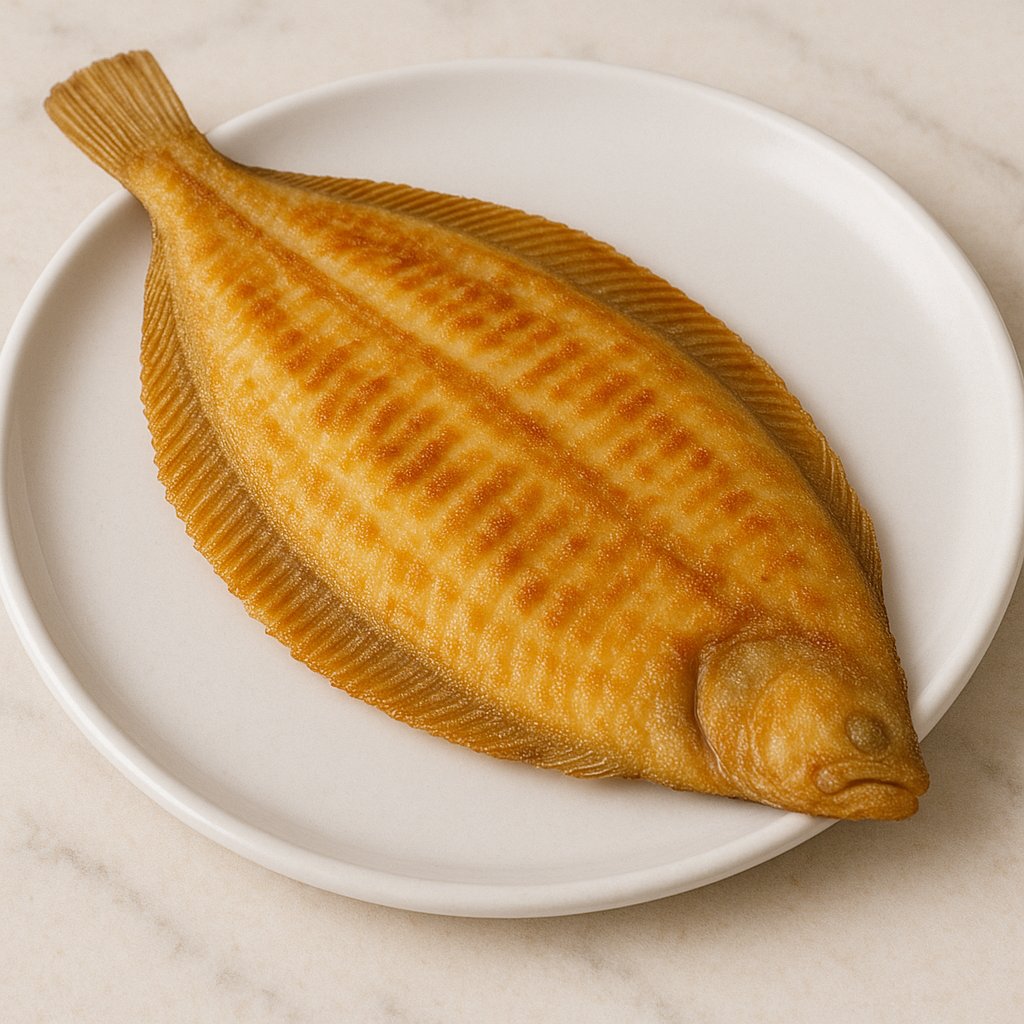
Sole

Lean, tender fish with a high protein content

Wiki about sole Nutri-Score A Vegan No Gluten-free Yes Lactose-free Yes Nut-free Yes
NUTRITION / 100 g
86 kcal 16.5 g Protein 0 g Kohlenhydrate 2.0 g Fett

Introduction

Raw sole on a cutting board
I still remember well the first evening I tried sole: a rainy autumn, a small bistro at the harbour and a plate that looked so plain it almost made me skeptical. As soon as I put the fork to it I understood why this fish is so valued in many European cuisines. Sole has a delicate, almost buttery texture and a tender flavor that is never overpowering, but rather carries other flavours wonderfully.

Sole is a flatfish and is known for its particularly tender fillets. When I buy it I always look for fresh eyes and firm flesh. A colleague of mine swears by coating the fillets briefly in flour and frying them in clarified butter — simple but incomparable. It's a technique I often use because it highlights the fish's natural mildness without overpowering it.

Typical preparations range from quick frying to poaching and classic combinations with lemon butter, capers or a light herb sauce. In my kitchen I like to pair sole with seasonal vegetables: young peas in spring, crisp beans in summer or sautéed mushrooms in autumn. This variability makes sole so versatile and reliable when guests come and you want to serve something impressive but not elaborate.

  • Taste: subtle, slightly sweet, very delicate
  • Texture: tender, almost buttery
  • Cooking tips: pan-sear briefly, poach or steam; needs little seasoning
Fish lovers also appreciate the sustainability aspects: depending on the fishing area and season, sole can be bought responsibly if you pay attention to local suppliers and certifications. A small anecdote: on a market visit in a coastal town I once laughed with a fishmonger about shortages caused by overfishing — we both agreed that patience when shopping is often rewarded with better taste.

For me sole remains the epitome of culinary elegance without fuss. It is ideal for moments when you want to show you can cook without getting bogged down in hours of preparation. And if I finish with a few drops of fresh lemon and a hint of dill, happiness is perfect.

Availability & types

Availability and types of sole

The sole is a popular food fish that many people appreciate for its delicate flavour and fine texture. When talking about availability and types, it's about where the sole comes from, which variants exist and how easy it is to buy. I explain this as simply as possible so that even a 12-year-old child can understand it well.

Origin
Sole mostly lives in the sea, often on sandy bottoms in shallow coastal waters. It belongs to the flatfishes, which are fish that lie on one side and have both eyes on one side — almost as if they were sleeping on their side. Especially much sole comes from the Northeastern Atlantic and the North Sea. Countries like the United Kingdom, France, the Netherlands, Denmark and also Germany fish sole.

Farming areas / fishing grounds
Unlike vegetables, sole does not "grow", it is caught. Fishing grounds are important because sole occurs there with different frequency. Good fishing grounds are:

  • North Sea: Common, especially in cooler months.
  • Northeast Atlantic: There are many traditional fishing grounds here off the coasts of the UK and France.
  • Mediterranean: Sole is also found there, but it is often rarer than in the north.
Fishermen use different methods to catch sole. Some methods target individual fish more selectively (better for the stock), others catch many fish at once. That's why it's good to look for labels or information indicating the fish was caught sustainably — meaning enough fish remain so there will still be sole in the future.

Available types and variants
There are not hundreds of different species of sole, but it's important to know which variants you can find in the shop or market. The main distinctions are:

  • Fresh sole: Caught and sold quickly. It smells slightly of the sea and has a firm, shiny surface. Fresh fish is finest in flavour.
  • Frozen sole: After being caught it is quickly frozen. This keeps it fresh longer and it can be bought year-round. Often the taste is almost as good as fresh fish if it is properly thawed.
  • Whole sole or fillets: Whole fish still have head and bones. Fillets are already boned and more convenient for cooking. Fillets are often easier for children to eat.
  • Wild-caught or farmed: Most soles come from wild capture at sea. There are only a few farms for sole because they are difficult to farm. If farmed fish are offered, it is usually stated on the packaging.
How easy is it to buy sole?
In countries with a coast, sole is often available fresh in fishmongers or at markets. In supermarkets you will more often find it frozen or as fillets. If you ask the fishmonger you can often find out where the fish was caught and how fresh it is. A simple trick: fresh fish does not have a strong smell and has shiny eyes (in whole fish), this is a good sign.

In summary: sole mostly comes from the Northeastern Atlantic and the North Sea, is offered either fresh or frozen and is available as whole fish or fillets. When buying, pay attention to information about the fishing method and labels for sustainable fishing, so that there will still be enough sole in the sea in the future.
Details & nutrition

Property Value
Unit g
Average weight per piece 400
Calories per 100 86
Protein per 100 16.5
Carbohydrates per 100 0
Sugar per 100 0
Fat per 100 2.0
Saturated fat per 100 0.5
Monounsaturated fat 0.7
Polyunsaturated fat 0.6
Fiber per 100 0
Vitamin C (mg) per 100 1
Vitamin D (IU) per 100 320
Calcium (mg) per 100 20
Iron (mg) per 100 0.4
Nutri-Score A
CO₂ footprint 3.5
Origin Marine fish from the northeastern Atlantic or the North Sea
Gluten-free Yes
Lactose-free Yes
Nut-free Yes
Vegan No
Note Nutritional values refer to raw, unprocessed sole fillet without skin.

Technical & scientific information

Sole (genus: Solea and relatives) refers to several species of benthic flatfishes of the plaice-related family that occur in coastal waters of the eastern Atlantic and the Mediterranean. Sole is characterised by a flat, oval body with both eyes on one side of the body and a velvety skin without scales. Species such as the European sole (Solea solea) are highly valued for their tender flesh and fine flavour and play a significant role in both commercial fishing and gastronomy.

Morphology and habitat
Soles are adapted to a bottom-dwelling life: they partly bury themselves and camouflage in the sediment. Adults typically reach lengths of 20 to 50 cm, rarely more. Their diet consists mainly of benthic organisms such as worms, crustaceans and small molluscs. Reproduction, growth rates and migratory behaviour depend on temperature and food availability; in colder regions growth is slower.

Chemical composition and constituents
Sole muscle flesh consists mainly of water (approx. 70–80 %) and proteins (typically 18–22 %). Major constituents are:

  • Proteins: High-quality, complete proteins with all essential amino acids; high biological value makes sole a valuable protein source.
  • Fats: Low total fat content (often under 5 %), with the proportion of polyunsaturated fatty acids, including omega-3 fatty acids (EPA and DHA), being lower than in fatty food fishes but still contributing nutritionally.
  • Minerals: Relatively good supply of iodine, phosphorus, selenium and potassium; iodine content depends strongly on the habitat (saltwater vs. brackish water).
  • Vitamins: Mainly B vitamins such as B12, niacin (B3) and small amounts of fat-soluble vitamins A and D, with vitamin D concentration moderate compared to fatty fish species.
Nutritional values (typical values per 100 g, raw)
Values may vary, a range is: energy 350–420 kJ (80–100 kcal), protein 18–20 g, fat 1–3 g, carbohydrates <1 g. These nutrient profiles make sole a low-calorie, protein-rich ingredient suitable for protein-conscious diets.

Processing and culinary use
Sole is offered fresh, frozen or filleted. Common processing methods include skinning, filleting, curing, smoking or pickling. Fillets are thin and delicate, so gentle cooking techniques such as stewing, poaching, quick frying or steaming are recommended to preserve the fine texture and flavour. In food technology, deep-freezing and vacuum processes are common to secure quality and shelf life; effects like freezer burn can be avoided by correct packaging.

Food safety and residues
As with many marine fish, two aspects are relevant: contamination by heavy metals and microbiological risks. Sole from polluted coastal areas can have increased levels of mercury or other metal residues; regularly monitored fishing areas minimize this risk. Fresh and hygienic processing reduces the risk of bacterial contamination (e.g. Vibrio species). Allergic reactions to fish protein are possible and follow the known patterns of fish allergy.

Health aspects
The low fat content and high protein density make sole a nutritionally advantageous food, especially for low-calorie and protein-focused diets. The omega-3 fatty acids present contribute in small amounts to cardiovascular health. Pregnant and breastfeeding people should, however, follow recommendations on the intake of certain seafood to limit potential heavy metal exposures.

Sustainability and fisheries management
Sole populations are subject to fluctuations due to overfishing, habitat changes and climatic influences. Sustainable fishing methods and quota regulations, as well as aquaculture breeding attempts, are important measures to maintain stable stocks. Consumers can look for certifications and fishing information to make environmentally compatible choices.

Overall, sole is a nutritionally valuable, tasty and versatile ingredient with moderate levels of omega-3 fatty acids and important minerals; its safe and sustainable use requires correct management of fishing grounds and processing as well as adherence to consumer recommendations.

Wiki entry for: sole
Active now: 11 visitors of which 2 logged-in members in the last 5 minutes