Menu & categories

Smoked meat

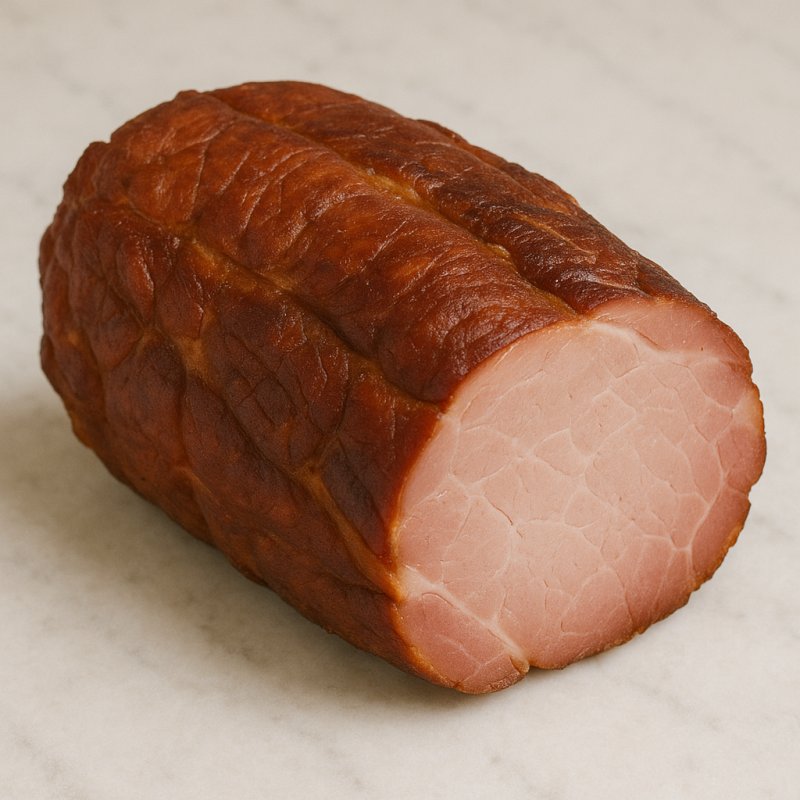
Smoky and hearty - the taste of traditional smoked meat.

Wiki about smoked meat Nutri-Score D Vegan No Gluten-free Yes Lactose-free Yes Nut-free Yes
NUTRITION / 100 g
250 kcal 30 g Protein 0 g Kohlenhydrate 17 g Fett

Introduction

A piece of smoked meat on a wooden board.
I still remember well the first times I prepared smoked meat in the kitchen. It was a cold winter evening, and I had the idea to create a traditional dish that my grandmother always made. The scent of smoked meat and spices filled the whole apartment and made my mouth water. Smoked meat, for those who do not know it yet, is a delicious smoked meat that is especially appreciated in the Alpine regions. It is versatile and can be used in numerous dishes, from hearty stews to savory casseroles.

Preparation is an art in itself. A colleague of mine, an enthusiastic hobby cook, once told me that he likes to smoke his smoked meat himself. He raves about the unique aroma that can only be achieved with the right wood and the exact temperature. I find it admirable how much patience and love must go into this process. When I think about how he speaks with glowing eyes about his smoking tricks, I cannot help but share his enthusiasm.

Smoked meat is not only tasty but also nutritious. It contains valuable proteins and is a great addition to a balanced diet. I like to use it in various recipes, such as:

  • Smoked meat with sauerkraut – A classic that never goes out of style.
  • Smoked meat pasta – A hearty combination that is quick to prepare and makes everyone happy.
  • Smoked meat soup – Ideal for cold days that simply cry out for coziness.
The nice thing about smoked meat is that it offers so many possibilities. It can be combined with traditional side dishes as well as modern, creative ingredients. I love experimenting while cooking and trying new flavor combinations. Once I created an Asian-inspired version with a spicy soy sauce and fresh vegetables. The result was a delicious discovery that I have been making again and again since.

For me, smoked meat is more than just an ingredient; it is a piece of home, a piece of tradition that is present in every bite. I can hardly wait to go back to the kitchen and immerse myself again in the world of smoked meat. Maybe I will even persuade my colleague to reveal his secret to perfect smoking. Who knows, maybe one day that will become my new passion!

Availability & types

Smoked meat is a tasty ingredient that many people use in their kitchens. But where does it actually come from, and what types are there? Here you can learn everything important about the availability and the different types of smoked meat.

The origin of smoked meat lies in the tradition of smoking meat. This means that pieces of meat are preserved by the heat and smoke produced by burning wood. This method dates back to ancient times, when there were no refrigerators. People had to find ways to store meat for longer periods. Smoking killed bacteria and helped the meat stay fresh much longer.

Smoked meat is made mainly from different parts of animals, most commonly from pork. But beef and poultry can also be smoked. In many countries, especially in Europe, smoked meat is very popular. There are certain regions where the tradition of smoking is particularly strong. These include especially the Austrian Alps and certain parts of Germany.

In these regions there are many farms that specialize in producing smoked meat. The animals are often raised and fed in a natural way. This gives the meat a special flavor. So if you want to buy fresh smoked meat, it is often a good idea to look for local suppliers or markets. There you often get the freshest and most flavorful products.

There are many different varieties and versions of smoked meat. Here are some of the best known:

  • Pork roast: This is a piece of pork that is smoked and often also cooked. It has a tasty crust and is often served with dumplings.
  • Bacon: This is a very fatty variant of smoked meat that is often sliced thinly. Bacon is often eaten for breakfast or used as an ingredient in various dishes.
  • Smoked meat: This can consist of different types of meat, such as beef or poultry. It is also smoked and has an intense flavor.
  • Sausage: Many types of sausages are also made with smoked meat. These include, for example, salami or Knacker.
The availability of smoked meat often depends on the region where you live. In rural areas it is frequently found at weekly markets or in butcher shops that offer local products. In urban areas, supermarkets often carry a selection of smoked meats. It's worth trying different shops to find the best quality.

For many people, smoked meat is not just an ingredient but also part of their tradition and culture. Whether in a hearty stew, on a cold cuts platter or simply as a snack – smoked meat has a special place on the table. The next time you buy or prepare smoked meat, think about where it comes from and how much craftsmanship goes into its production.
Details & nutrition

Property Value
Unit g
Calories per 100 250
Protein per 100 30
Carbohydrates per 100 0
Sugar per 100 0
Fat per 100 17
Saturated fat per 100 6
Monounsaturated fat 5
Polyunsaturated fat 1
Fiber per 100 0
Vitamin C (mg) per 100 0
Vitamin D (IU) per 100 0
Calcium (mg) per 100 5
Iron (mg) per 100 1.5
Nutri-Score D
CO₂ footprint 8.5
Origin Austria
Gluten-free Yes
Lactose-free Yes
Nut-free Yes
Vegan No
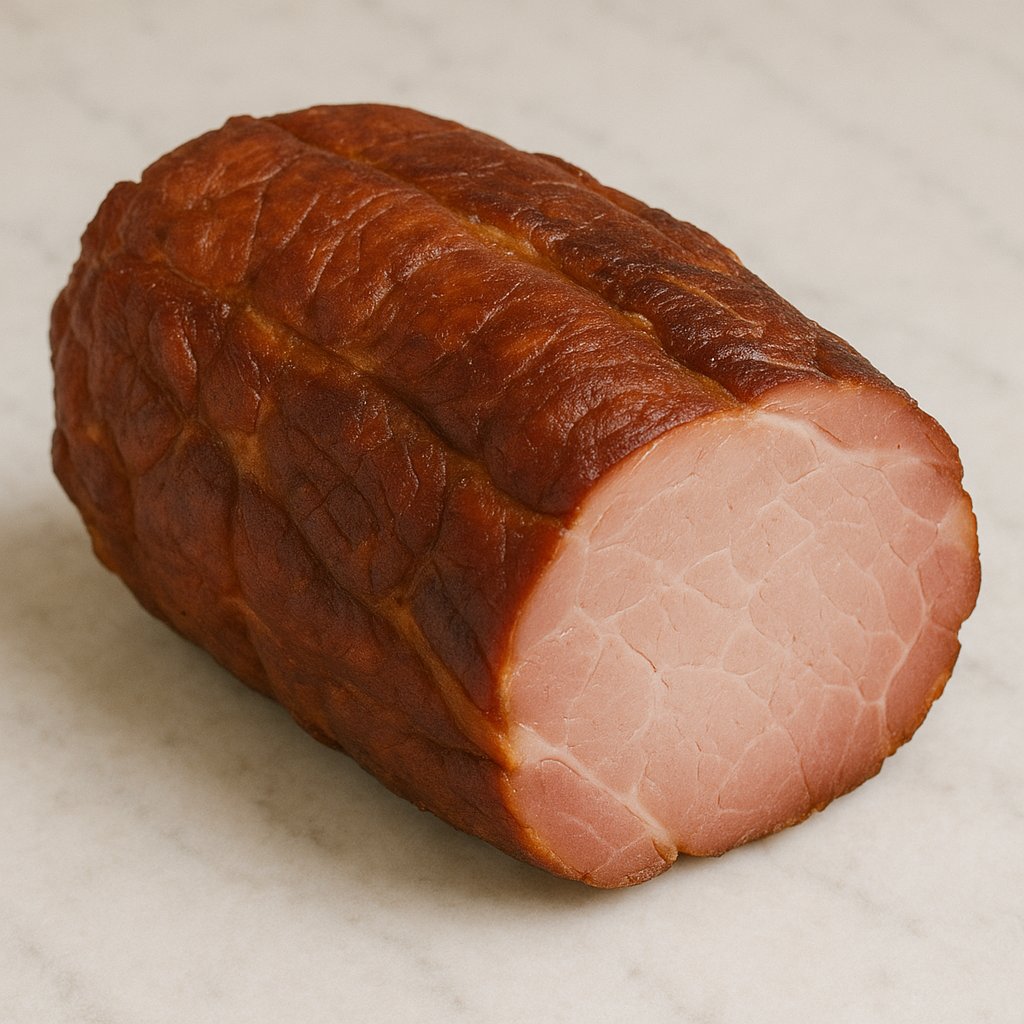
Note Selchfleisch is a traditionally smoked meat product that is appreciated in Austrian cuisine.

Technical & scientific information

Smoked meat is a term that refers to cured and smoked meat, often made from pork but also from beef or poultry. The production of smoked meat is a traditional method used both to preserve the meat and to improve its flavor. The various processing steps result in a unique texture and a characteristic aroma that are appreciated in many cuisines.

Processing methods

The production of smoked meat includes several steps:

  • Curing: The meat is placed in a brine or rubbed with curing salt. The curing process causes water to be drawn out of the meat, which inhibits the development of bacteria.
  • Smoking: After curing the meat is smoked over wood or other fuels. This not only gives smoked meat its typical flavor but also contributes to its shelf life, as smoke has antimicrobial properties.
  • Maturation: In some cases the meat is matured after smoking to further intensify the flavor. During this phase the meat may also dry out and become more tender.
Chemical composition and constituents

Smoked meat contains a variety of constituents that influence its nutritional properties:

  • Proteins: Meat is a high-quality source of protein that provides essential amino acids necessary for the human body.
  • Fats: Fat content can vary but is often between 20% and 30%. These fats are important for energy supply and the absorption of fat-soluble vitamins.
  • Minerals: Smoked meat contains important minerals such as iron, zinc and phosphorus, which are crucial for various bodily functions.
  • Vitamins: It also provides B-group vitamins, which are important for metabolism and energy production.
Nutritional values

The nutritional values of smoked meat can vary depending on the type of meat and processing. On average a portion (100 g) of smoked meat contains about:

  • Calories: 250–350 kcal
  • Protein: 25–30 g
  • Fat: 20–30 g
  • Carbohydrates: <1 g
  • Salt: 1–3 g (depending on the curing process)
Health aspects

Smoked meat can be part of a balanced diet but should be consumed in moderation. The high sodium content resulting from the curing process can, with excessive consumption, increase health risks such as high blood pressure and heart disease. In addition, smoking is associated with the formation of polycyclic aromatic hydrocarbons (PAHs), which are considered potentially carcinogenic.

Wiki entry for: smoked meat
Active now: 15 visitors of which 2 logged-in members in the last 5 minutes