Menu & categories

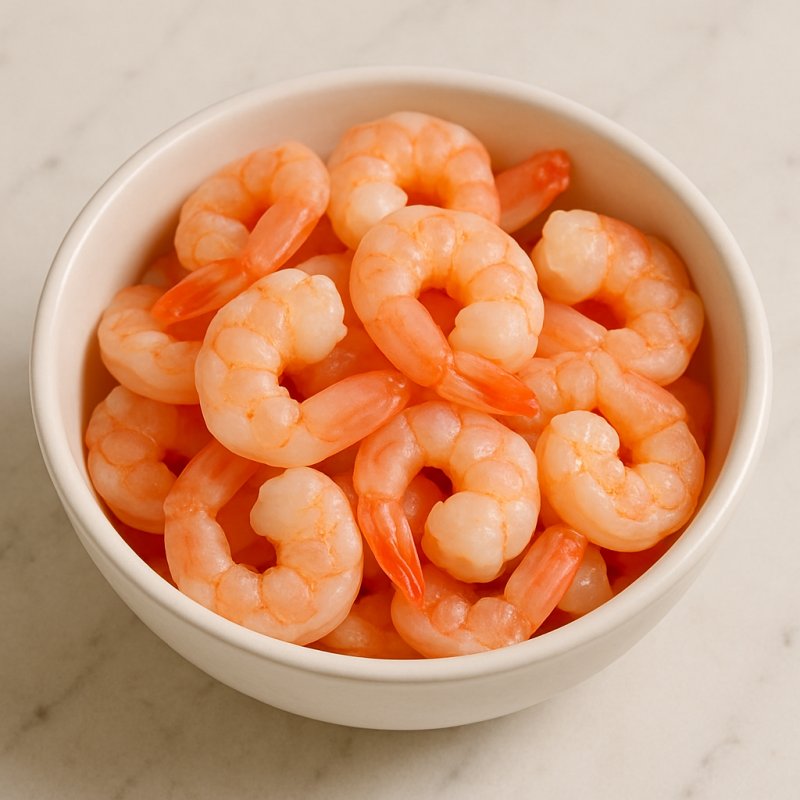
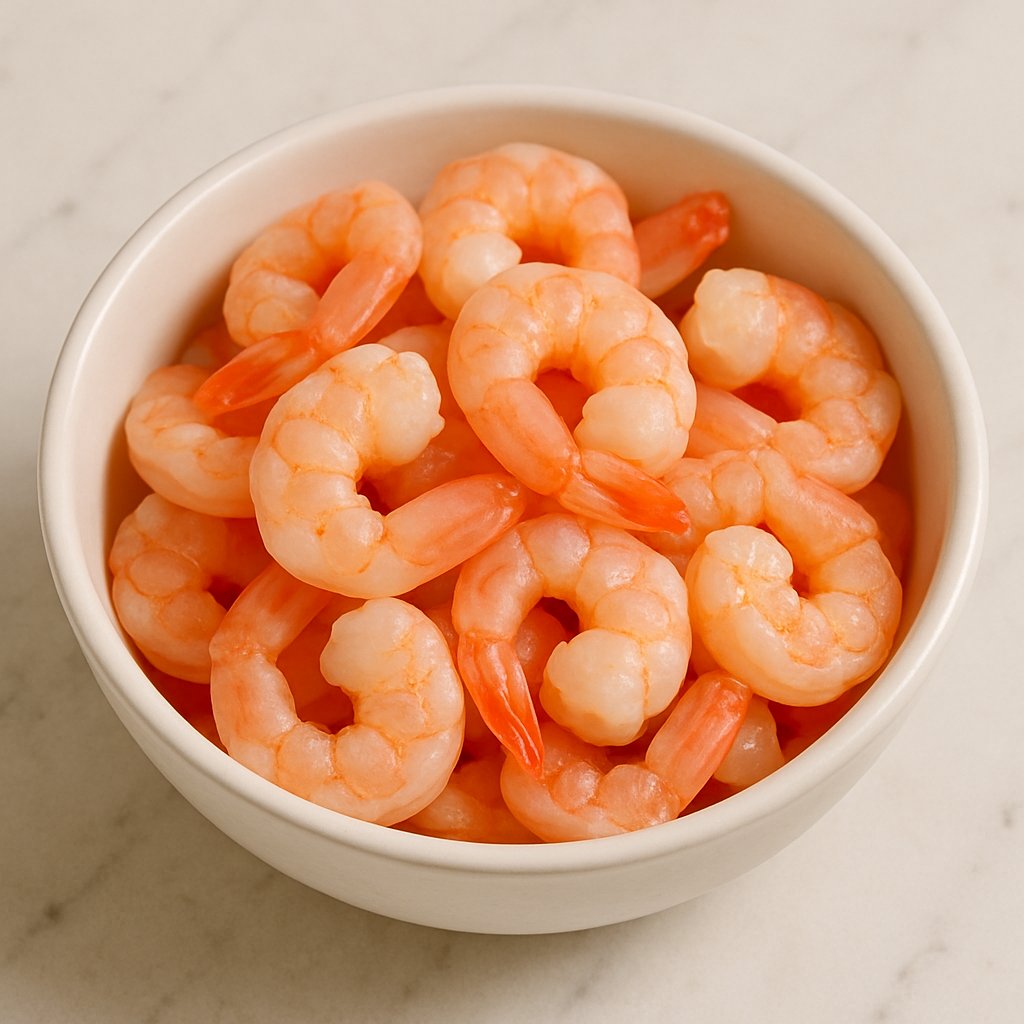
Small prawns

Small prawns with high protein content and low in fat

Wiki about shrimp Nutri-Score A Vegan No Gluten-free Yes Lactose-free Yes Nut-free Yes
NUTRITION / 100 g
85 kcal 18 g Protein 0 g Kohlenhydrate 1 g Fett

Introduction

Raw prawns on ice with shells
I still remember the first evening I tried gamberetti: it was a spontaneous dinner in a small trattoria, somewhere between cobblestones and the smell of the sea. The waiter brought a plate of freshly fried prawns that glowed a perfect pink, and I was immediately swept away. Gamberetti, I learned that evening, are more than just an ingredient — they are a promise of sea, warmth and simple pleasures.

In Italian cuisine, gamberetti refer to smaller prawns that are ideal for quick, flavorful dishes. I have experienced them in every variation: briefly tossed in olive oil with garlic, as part of a hearty risotto, in spicy sauces or simply with a squeeze of lemon. A colleague of mine swears by gamberetti in a quick spaghetti aglio e olio, because the prawns flavor the oil while remaining tender. This versatility makes them an indispensable staple in my kitchen.

Nutritionally, gamberetti are a fine choice: they provide high-quality protein, are low in fat and contain important minerals such as iodine and selenium. On days when I want something light but nutritious, I like to reach for them. Of course I pay attention to origin and freshness, because with seafood you notice quality differences immediately — once stored incorrectly, the delicate flavor is gone.

To me gamberetti are also a social food. I remember evenings when I sat at the table with friends and the shrimp shells were passed around as small rituals. They create intimacy effortlessly. When I want to impress guests, I serve gamberetti in a hot pan with herbs and lemon zest — simple, but impressive.

In conclusion I would say: gamberetti are the charming all-rounders of the kitchen. They demand no complicated techniques, yet reward with great flavor. Whether as a quick snack, a refined pasta dish or part of a festive menu — these small prawns have a permanent place in my pantry and in many memories.

Availability & types

Availability and types of gamberetti

Gamberetti are small prawns found in many cuisines around the world. The name comes from Italian and simply means “small prawns.” They are often available in supermarkets, fishmongers and markets. You can buy them fresh, frozen or pre-cooked. Fresh gamberetti feel firm and smell pleasantly of the sea — not fishy. Frozen ones are practical because they can be stored for a long time. Pre-cooked gamberetti are already pink and can be used quickly in dishes.

Origin and fishing areas

Gamberetti come from various seas and rivers around the world. A common distinction is between wild-caught prawns, taken from natural populations, and farmed prawns from so-called aquaculture. Wild gamberetti often come from the Mediterranean, the Atlantic or tropical seas. Imagine fishers going out to sea in boats and catching prawns with nets — those are the wild-caught ones.

Farmed prawns come from fish farms, where the animals are raised in tanks or ponds. It is comparable to modern agriculture, but for fish and prawns. Countries that farm large quantities of prawns include Thailand, India, Vietnam and Spain. Farming can help conserve wild stocks if done properly.

Available varieties and sizes

  • Small gamberetti: These are usually very small and are good for salads or as a garnish. You can imagine them like little pearls in a dish.
  • Medium gamberetti: These are somewhat larger and versatile – on pasta, in garlic pans or as tapas. Many dishes use this size.
  • Large prawns (gamberoni): These are noticeably larger than ordinary gamberetti and often particularly juicy. They are often grilled or pan-fried because they are easy to handle and eat.
Sometimes packaging uses terms like “peeled”, “with/without head” or “cooked/raw”. “Peeled” means the hard shell has been removed so the prawns are ready to cook. “With head” means the head is still attached — you often see this with fresh sales. “Cooked” means the prawns are already prepared and pink.

Special variants

  • Freshwater vs. saltwater prawns: Some gamberetti grow in rivers (freshwater), others in the sea (saltwater). The taste can differ slightly, much like apples from different trees taste different.
  • Organic or sustainably certified prawns: These are prawns caught or farmed under environmentally friendly conditions. Packaging may bear a small seal that certifies this — similar to organic vegetables.
  • Frozen or fresh: Fresh is tasty, but frozen is practical. Frozen gamberetti remain good for longer and are often blast-frozen right after catching to preserve freshness.
Buying tips

When buying gamberetti, pay attention to smell (they should not smell strongly fishy), appearance (bright color, not slimy) and packaging (date and origin). If you eat prawns frequently, it is worth choosing sustainably produced or caught options — this helps protect the seas for the future.

In summary, gamberetti are widely available: fresh, frozen, small to large, from the sea or farmed. With a few simple looks and sniff tests you can recognize good quality and pick the variety that suits you.
Details & nutrition

Property Value
Unit g
Average weight per piece 8
Calories per 100 85
Protein per 100 18
Carbohydrates per 100 0
Sugar per 100 0
Fat per 100 1
Saturated fat per 100 0.3
Monounsaturated fat 0.2
Polyunsaturated fat 0.4
Fiber per 100 0
Vitamin C (mg) per 100 0
Vitamin D (IU) per 100 0
Calcium (mg) per 100 70
Iron (mg) per 100 1.8
Nutri-Score A
CO₂ footprint 4.0
Origin Wild-caught or farmed, predominantly Mediterranean and Atlantic
Gluten-free Yes
Lactose-free Yes
Nut-free Yes
Vegan No
Note Nutritional values for raw, unseasoned small prawns with shells; values may vary slightly depending on species and preparation.

Technical & scientific information

Gamberetti is the Italian term for small prawns or decapod crustaceans that are widespread in Mediterranean cuisine. In culinary usage it usually refers to young, tender prawns of various species, particularly the genera Penaeus, Crangon or Palaemon. Gamberetti are characterized by a fine texture and a mild, slightly sweet taste, which makes them suitable for a wide range of preparations – from antipasti and pasta to soups.

Biological classification and morphology
Shrimps are invertebrate marine animals with a segmented body, cephalothorax and abdomen as well as five pairs of legs for locomotion. The shell (exoskeleton) is made of chitin, which is thinner and more flexible in juvenile specimens. Gamberetti show typical features such as antennae, compound eyes and swimming pleopods on the abdomen. Species differ in size, habitat (shallow water, estuaries, open sea) and life cycle, which often includes planktonic larval stages.

Chemical composition and nutritional values
Gamberetti are high in protein and low in fat. On average 100 g of cooked prawns contain about 20–24 g of protein, 0.5–2 g of fat and 70–100 kcal of energy, with values varying by species and preparation. The proteins consist of essential amino acids such as lysine, leucine and methionine. Lipids are mostly polyunsaturated fatty acids, including omega-3 fatty acids (eicosapentaenoic acid, EPA; docosahexaenoic acid, DHA) in small amounts. Other components include vitamins (especially B12, niacin, vitamin E) and minerals (potassium, phosphorus, zinc, selenium, iodine). The shell provides chitin and small amounts of calcium if consumed.

Processing methods
Gamberetti can be offered fresh, chilled, frozen or further processed as peeled, cooked, marinated or breaded. Common steps in industrial processing include:

  • Sorting and cleaning: Removal of impurities, separation by size.
  • Peeling and deveining: Mechanical or manual removal of shell and digestive tract (vena dorsalis).
  • Blanching/cooking: Short heat treatment to denature proteins, trigger color reaction and extend shelf life.
  • Shock freezing: Rapid freezing to minimize ice crystal formation and quality loss.
  • Marinating and preserving: Use of brines, acids or vacuum packaging to modify flavor and preserve the product.
Safety, allergens and contamination risks
Shrimps belong to the main groups of food allergens that can trigger allergic reactions. The allergenic potential is mainly mediated by the muscle protein Troponin C and the shell protein region Argininkinase. Cross-reactions with other shellfish are common. Furthermore, marine organisms can bioaccumulate environmental contaminants such as mercury, polychlorinated biphenyls (PCB) or organic pollutants; however these concentrations are usually lower in small prawns than in large predatory fish. Microbiologically, improperly stored gamberetti can be contaminated by Vibrio species or spoilage bacteria, so maintaining the cold chain and hygienic processing is important.

Health aspects
Regular, moderate consumption of gamberetti can provide nutritional benefits due to their high protein content and micronutrients. Omega-3 fatty acids and selenium support cardiovascular functions and antioxidant processes. People with a known shellfish allergy must avoid any consumption. In addition, pregnant women and sensitive groups should pay attention to origin and preparation to minimize possible burdens from chemical contaminants.

Storage and sensory quality
Fresh gamberetti show firm flesh, a transparent or slightly pink body and a fresh, mildly salty smell. An ammonia odor, soft texture or discoloration likely indicate quality loss. Cold chain closure at 0–4 °C and freezing at −18 °C are standard measures to preserve quality and safety.

In the kitchen gamberetti are versatile; their short cooking time requires precise thermal control to avoid toughness from overcooking. Overall, gamberetti combine nutritional advantages with specific processing and storage requirements as well as a relevant allergenic and ecological context.

Wiki entry for: shrimp
Active now: 17 visitors of which 2 logged-in members in the last 5 minutes