Availability and types of Sherry
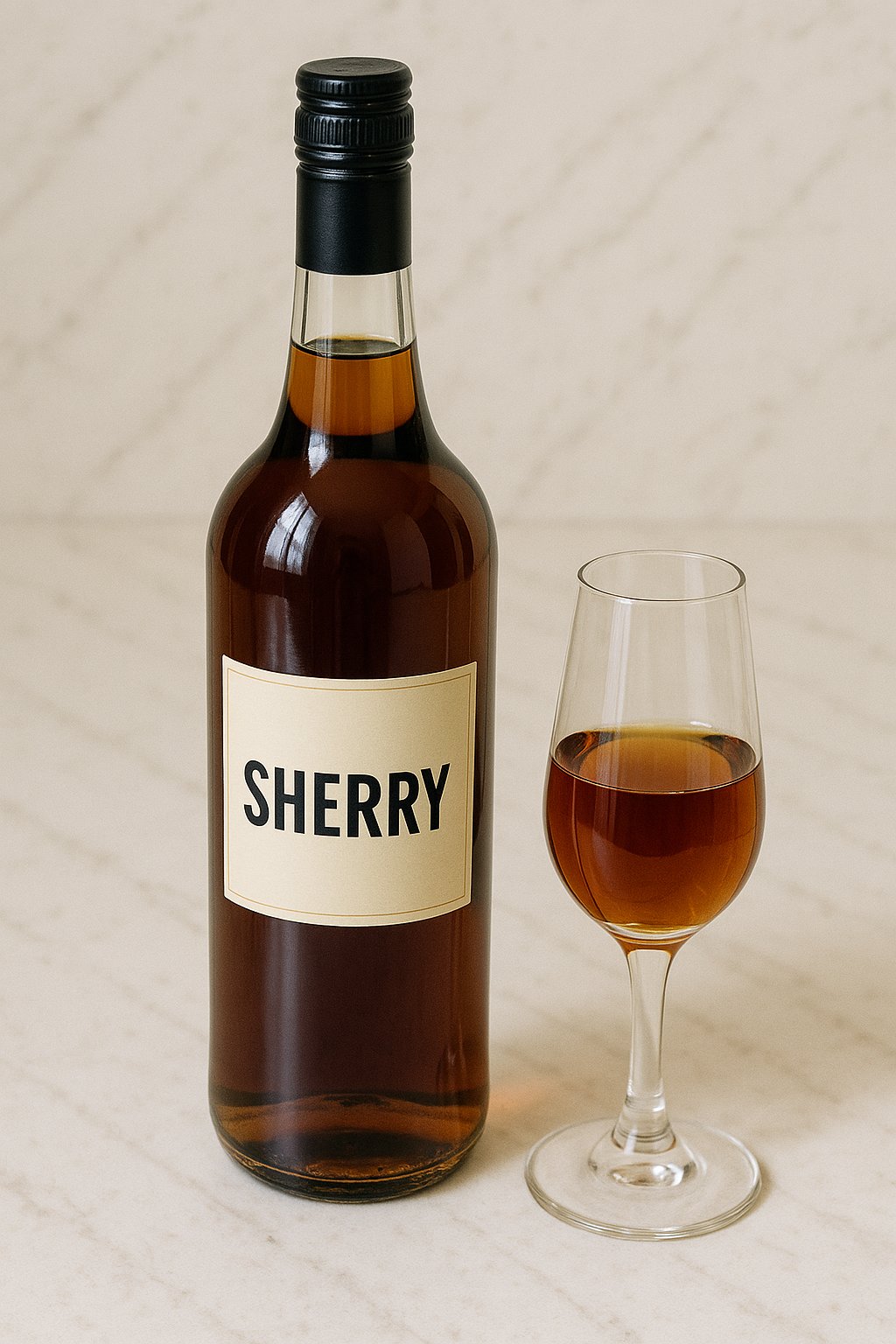
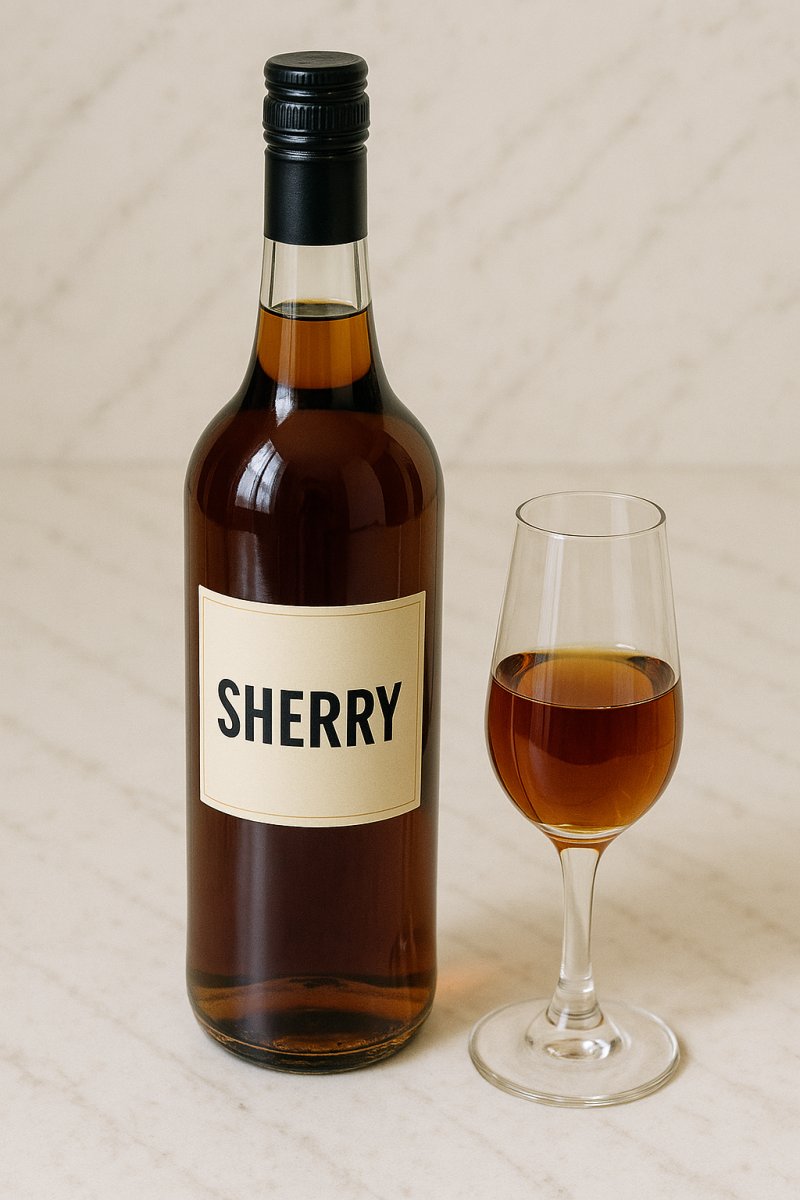
Sherry is a distinctive wine from Spain, produced in the region around the city of Jerez in Andalusia. You can imagine this area as a large garden by the sea, where the grapes ripen particularly well. The main grape varieties are Palomino, Pedro Ximénez (PX) and Moscatel. Palomino makes most dry sherries, while PX and Moscatel are often used for sweeter styles.
How it grows: the vines stand in a warm, often sunny climate. Because it is near the Atlantic, the sea air helps the grapes — similar to a fan cooling on a hot day. After harvest the wine is sometimes boosted with a small addition of brandy. This is called fortification. A small comparison: if you mix juice with a bit of water and sugar, the taste changes too — with sherry a spirit is added to alter the process and preserve particular aromas.
Production is unique because sherry is often aged in a special system called the Solera. Picture many barrels like the shelves of a bookcase. A little is always taken from the lower barrels and they are refilled with wine from the upper barrels. That way younger and older wines blend and the flavor remains consistent, like a family recipe passed down through generations.
Common types of Sherry
- Fino: very dry and light, often with a fine 'yeast cap' (the Flor layer) on the barrel. You can compare it to crusty bread with olive oil.
- Manzanilla: similar to Fino but from the coastal town of Sanlúcar; even fresher, like sea air in a glass.
- Amontillado: starts like a Fino but ages longer exposed to air and becomes nuttier — a mix of light and somewhat intense.
- Oloroso: darker and more robust, ages oxidatively and tastes of nuts and chocolate, but dry.
- Palo Cortado: rare and special, combining characteristics of Amontillado and Oloroso.
- Cream and sweet sherries (e.g. made from PX): very sweet, practically a dessert in a glass. Pedro Ximénez is particularly syrupy and dense, often with raisin-like aromas.
Where to get Sherry
- Supermarkets and wine shops: many carry common types like Fino, Oloroso or Cream.
- Specialty shops and online stores: often offer rare or older vintages.
- Restaurants and bars: especially Spanish venues often have several styles to taste.
Sherry is versatile: it is suitable for cooking, with tapas or as a dessert wine. After opening a dry sherry kept in the fridge will last a few days up to two weeks, a sweet sherry slightly longer. If you want to buy sherry, look at the label for the name (Fino, Amontillado, Oloroso, PX) — that will help you choose the right style for your taste.