Menu & categories

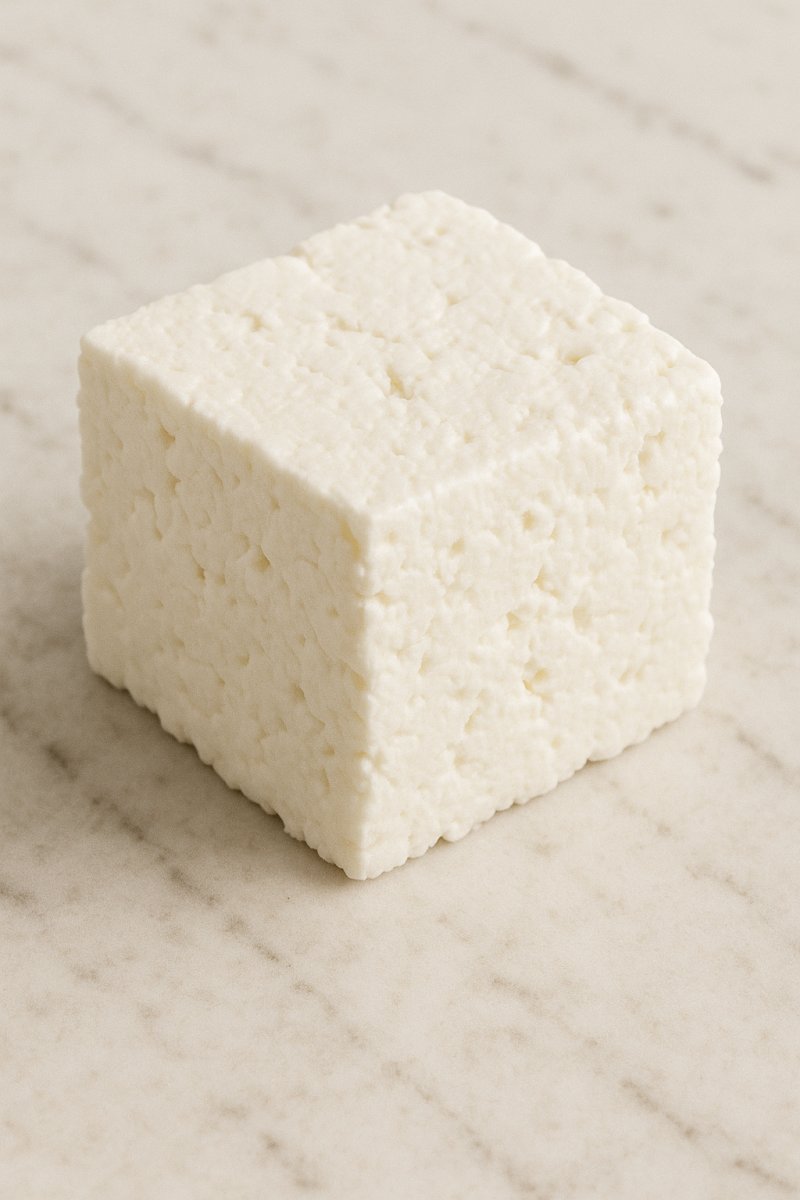
Sheep cheese

Savory cheese made from sheep's milk with an intense aroma

Wiki about sheep's cheese Nutri-Score D Vegan No Gluten-free Yes Lactose-free No Nut-free Yes
NUTRITION / 100 g
265 kcal 17 g Protein 1 g Kohlenhydrate 22 g Fett

Introduction

A piece of sheep cheese on a wooden board with herbs
I still remember well the first bite of sheep's cheese that really opened my eyes: a lukewarm cube, fresh from a clay pot, slightly crumbly and full of flavor, served on a sun-drenched island. Since then sheep's cheese has accompanied me like a reliable friend through countless kitchen experiments, picnics and improvised dinners. It has that special ability to turn simple bread and a glass of wine into a little feast.

What fascinates me about sheep's cheese is its versatility. It can be gentle and buttery, slightly tangy or strongly piquant, depending on origin, aging time and production method. Some varieties fall apart on the fork, others slice or pan-fry wonderfully without losing their character. A colleague of mine swears by baked sheep's cheese with honey and thyme as the perfect hangover cure; I, on the other hand, love it in salads, on pizza or in creamy casseroles.

The production also tells stories: of shepherds driving their flocks across rugged terrain, of simple dairies and of small producers who uphold tradition and craftsmanship. This origin is reflected in the taste. A sheep's cheese from a barren, wind-swept area often tastes more concentrated than one from lush green valleys. Discovering such nuances makes tasting a small culinary journey.

For preparation I keep a few simple rules in mind:

  • Room temperature: sheep's cheese releases its aroma best if it is allowed to warm up a little before serving.
  • Season with care: salt is often not necessary, but herbs, lemon zest or olive oil can be great partners.
  • Use its versatility: it pairs with sweet notes like honey as well as with strong flavors like roasted peppers.
In the end, sheep's cheese remains for me a piece of culinary poetry: earthy, full of character and always ready to tell stories. Whether at a market stall, in a simple bistro or in my own kitchen — it brings pleasure in small, unforgettable moments.

Availability & types

Availability and types of sheep's cheese

Sheep's cheese is a cheese made from sheep's milk. You can find it in many countries around the world, but it is particularly known from regions where sheep are traditionally kept. This is because sheep thrive there and find enough grass and herbs to stay healthy — and to give good milk. A simple image: where sheep have plenty of space and good forage, the chances increase that delicious sheep's cheese will be produced.

Origin and production areas
Sheep's cheese often comes from countries around the Mediterranean such as Greece, Italy, Spain and Turkey. These countries have warm summers, hilly landscapes and plenty of pasture that sheep enjoy. But sheep's cheese is also produced in other parts of Europe, for example in France, Portugal or the British Isles, as well as in New Zealand and Australia. Each place has its own way of making sheep's cheese, and this creates different flavors — similar to how musical styles sound different in different regions.

Available types and variants
There are many types of sheep's cheese. Here are the main ones, simply explained:

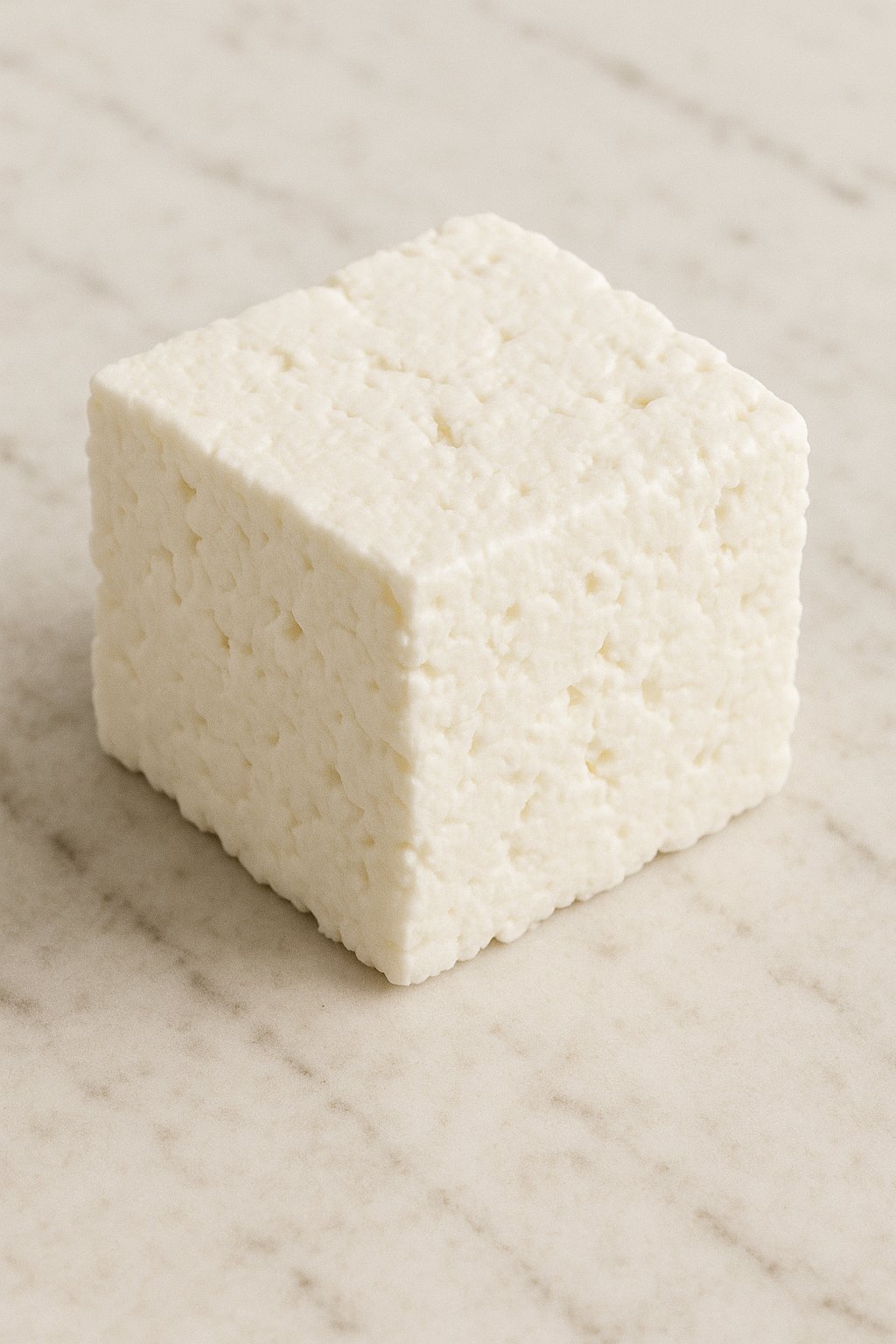
  • Feta: A very well-known sheep's cheese from Greece. It is often soft to crumbly and kept in brine (that is salty water). Feta has a piquant, slightly salty taste and is frequently used in salads. You can also add it in small cubes to tomatoes and cucumbers.
  • Pecorino: An Italian sheep's cheese. The name comes from the Italian word for sheep, “pecora”. Pecorino can be young and soft or older and hard. The hard variety is often grated over pasta, like Parmesan, and has a strong, savory flavor.
  • Manchego: A Spanish sheep's cheese from the La Mancha region. It usually has a firm texture and can taste mild to piquant, depending on how long it has been aged. Manchego pairs well with bread and grapes.
  • Fresh sheep's cheese: This is a soft, mild cheese that has not been aged long. It tastes mild and creamy and is well suited for spreads or as an ingredient in dishes.
  • Smoked sheep's cheese: Some cheeses are lightly smoked, meaning smoke is added during processing. This gives the cheese a distinctive aroma reminiscent of a campfire or smoked foods.
  • Seasoned variants: Some sheep's cheeses are mixed with herbs, oil, pepper or paprika. This changes the flavor and makes the cheese more interesting — similar to a bread sprinkled with seeds.
How to find sheep's cheese in the shop?
In the supermarket sheep's cheese is often located in the refrigerated section with the other cheeses. Sometimes it is packaged in brine (as with feta), sometimes vacuum-packed or in a plastic container. At markets or in small cheese shops there is often more choice and you can sample different varieties. If you want to know whether the cheese is really made from sheep's milk, you can check the label — it usually states “sheep's milk” or the origin of the cheese.

In summary: sheep's cheese is popular in many countries and comes in many variants — from mild and creamy to hard and savory. Depending on where it was produced and how long it has been aged, taste and texture change. This way sheep's cheese offers something suitable for almost every favorite taste.
Details & nutrition

Property Value
Unit g
Calories per 100 265
Protein per 100 17
Carbohydrates per 100 1
Sugar per 100 1
Fat per 100 22
Saturated fat per 100 15
Monounsaturated fat 5
Polyunsaturated fat 0.8
Fiber per 100 0
Vitamin C (mg) per 100 0
Vitamin D (IU) per 100 30
Calcium (mg) per 100 500
Iron (mg) per 100 0.7
Nutri-Score D
CO₂ footprint 5.5
Origin Varies by producer, commonly from the Mediterranean region and Central Europe
Gluten-free Yes
Lactose-free No
Nut-free Yes
Vegan No
Note Nutritional values for aged sheep cheese in brine (similar to feta); exact values may vary slightly depending on fat content and producer.

Technical & scientific information

Sheep's cheese refers to cheese products made predominantly or exclusively from sheep's milk. Sheep's milk differs noticeably in composition from cow's and goat's milk: it contains a higher proportion of fat and protein as well as a greater content of minerals and certain short- and medium-chain fatty acids. These properties affect texture, flavor and processing characteristics of the cheese and make sheep's cheese particularly suitable for aged, crumbly or creamy products such as feta, pecorino or some fresh cheese types.

Chemical composition and nutritional values

  • Water: sheep's milk has a somewhat lower water content than cow's milk, typically around 80–82%.
  • Fat: fat content is often 6–8% or more. The fat consists of a higher proportion of short- and medium-chain saturated fatty acids (e.g. C4–C12), which influence melting behavior and flavor.
  • Protein: total protein content is increased (around 5–6%), with a higher casein fraction, particularly α- and β-caseins, which are important for coagulation and the firmness of the matrix.
  • Lactose: lactose is present in concentrations comparable to cow's milk; through fermentation much of it is broken down in aged cheeses.
  • Minerals and vitamins: sheep's milk contains higher amounts of calcium, phosphorus, zinc and vitamin A as well as fat-soluble vitamins compared to cow's milk.
  • Typical nutritional values for sheep's cheese vary greatly by type, ripeness and fat content; aged hard varieties provide more calories and fat, fresh cheeses contain less water but often still significant mineral and protein levels.
Processing methods

The production of sheep's cheese follows classical cheesemaking procedures, which must however be adapted to the particular composition of sheep's milk. Important steps are:

  • Heating and acidification: pasteurized or raw milk is brought to the temperature required for the specific type and inoculated with mesophilic or thermophilic starter cultures that ferment lactose into lactic acid.
  • Coagulation: addition of rennet or microbial enzymes causes the caseins to aggregate; sheep's milk typically forms a firmer pseudo-gel matrix, which makes cutting and whey separation more efficient.
  • Curd handling and whey separation: curd size and stirring control moisture content and texture. Sheep curd tends to firm up more, leaving less residual whey.
  • Salting and ripening: salting can be done dry or in brine; many traditional sheep cheeses are ripened in brine, which influences aroma, water activity and microbial protection. Ripening time varies from days to several months or years.
Microbiology and safety

As with all dairy products, microbiological control and hygienic production are crucial. Raw milk cheeses can host complex microbial communities that produce characteristic flavors but also carry risks. Pasteurization reduces pathogenic risk. Salting, acidification and reduction of water activity contribute to shelf life. For certain traditional products there are legal requirements regarding raw milk use and ripening periods.

Health aspects

Sheep's cheese provides high-quality protein, essential amino acids, calcium and fat-soluble vitamins. Due to the higher fat content, calorie density and saturated fats are increased, so moderate consumption is recommended. Many people who have difficulty with cow's milk tolerate sheep's cheese better because protein composition and fat structure differ; however, this does not universally apply to people with cow's milk allergy. Aged cheeses contain less lactose and are therefore often better tolerated by those with lactose intolerance.

Sensory properties and culinary use

Flavor ranges from mild and buttery to intense, piquant and nutty, depending on source milk, salt content and ripening. Textures vary from creamy-crumbly to hard and aged. Sheep's cheese is used in many ways in the kitchen: plain, in salads, baked, grated over dishes or as an ingredient in traditional recipes.

In summary, sheep's cheese is a nutritionally rich food with distinctive chemical and microbial characteristics, allowing different production and ripening processes and, when produced correctly, both culinarily versatile and safe and nutrient-dense.

Wiki entry for: sheep's cheese
Active now: 18 visitors of which 2 logged-in members in the last 5 minutes