Availability and types of sesame
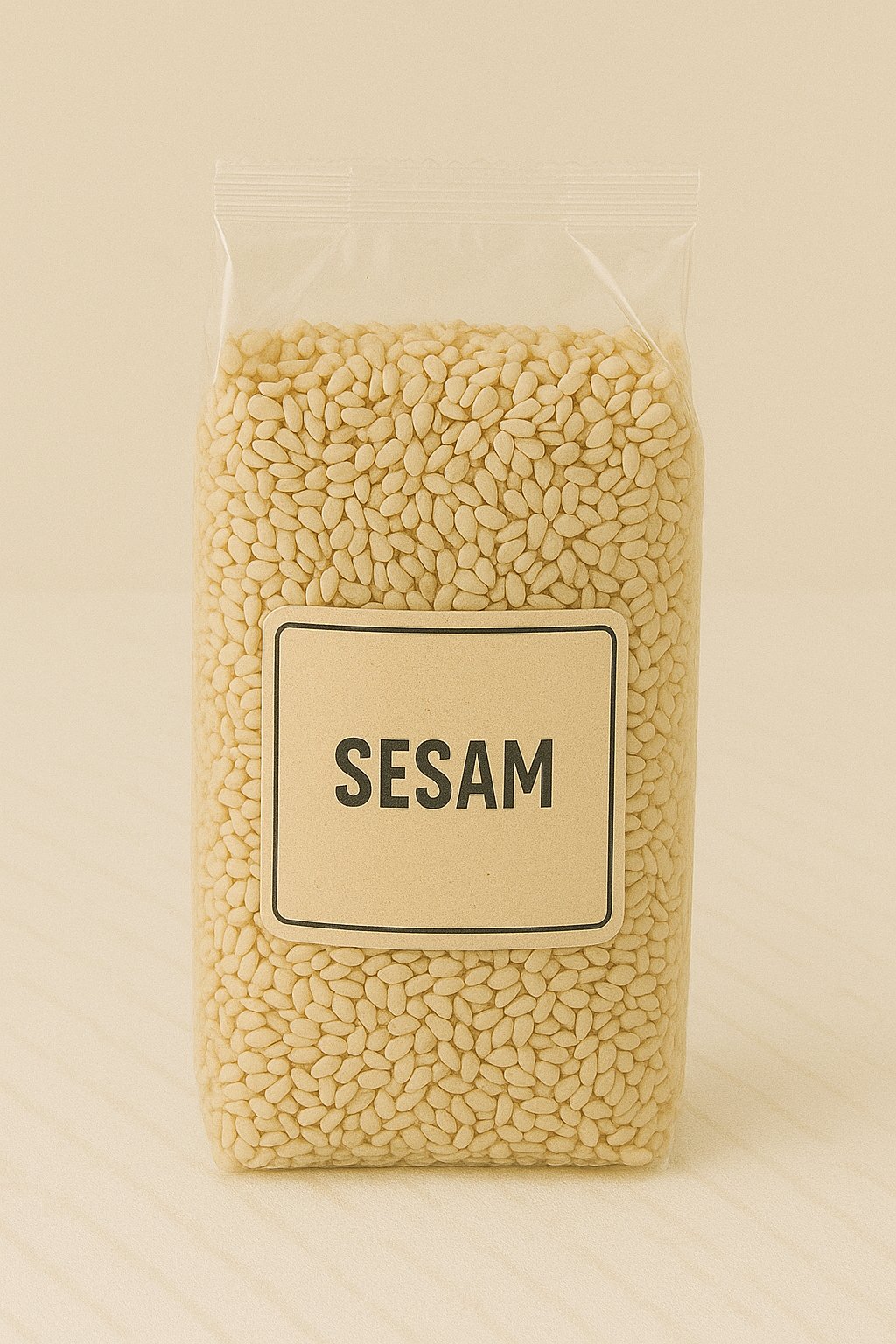
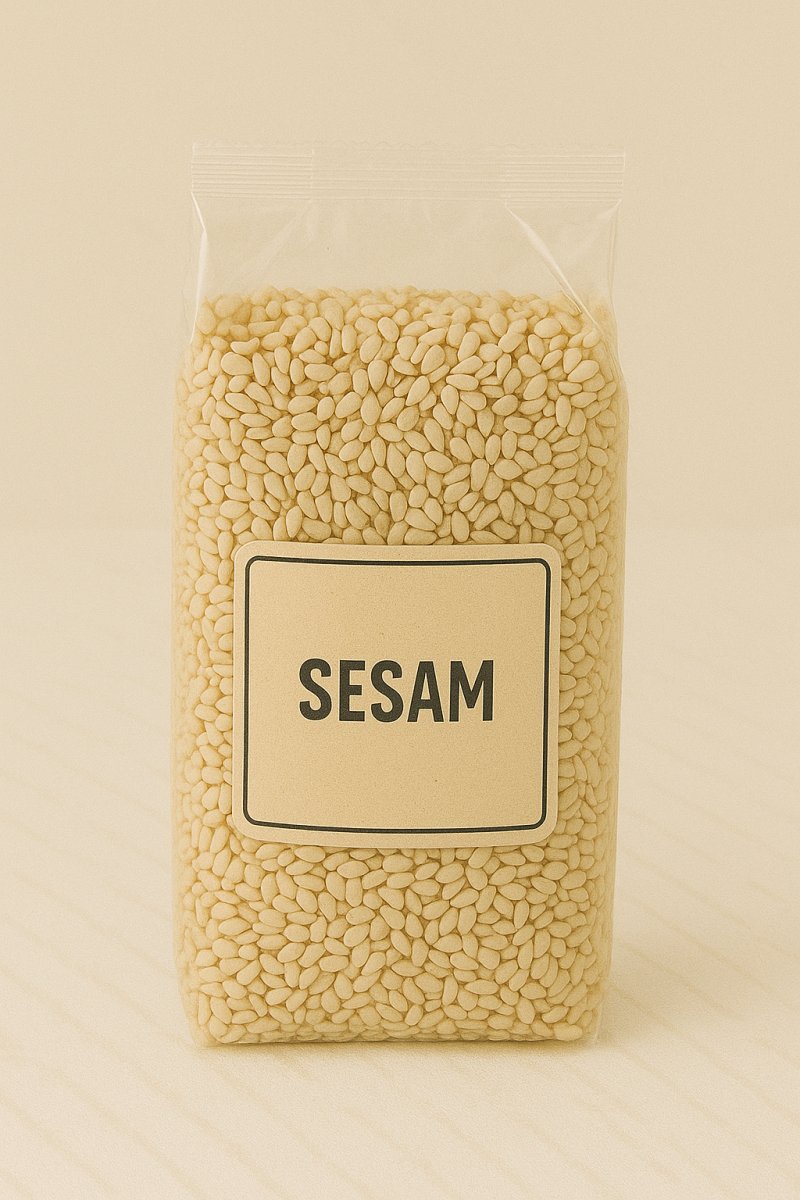
Sesame seeds are tiny seeds that come from a very old plant. Sesame has been found in stories and ancient texts for thousands of years. The plant originally comes from warm regions in Africa and South Asia, for example from areas that are today India and parts of Africa. Today sesame is grown on many continents because the plant tolerates heat and limited water well — this makes it particularly popular in warm countries.
Where is sesame grown?
Sesame grows mainly in tropical and subtropical regions. That means you frequently find it in:
Sesame grows mainly in tropical and subtropical regions. That means you frequently find it in:
- Africa – countries like Sudan, Nigeria, Tanzania or Ethiopia produce a lot of sesame.
- South Asia – especially India is a major producer.
- East and Southeast Asia – China and Myanmar (Burma) are important locations for sesame.
- Latin America – countries such as Paraguay or Mexico also cultivate sesame.
In your supermarket you will therefore find sesame year-round, because seeds are harvested, dried and shipped worldwide. Sesame stores well as long as it is kept dry and in the dark.
What varieties exist?
Sesame comes in different colors and forms. The main types are:
Sesame comes in different colors and forms. The main types are:
- White sesame seeds – they are light and mild in taste. They are often used for rolls, pastries or as a topping.
- Black sesame seeds – darker and more intense in flavor, they are used in many Asian dishes and sweets and also look attractive as a garnish.
- Brown or yellow varieties – these fall in flavor between white and black and are used differently depending on the region.
Processed variants
Many products derived from sesame are also available to buy:
Many products derived from sesame are also available to buy:
- Hulled (shelled) vs. unhulled – hulled seeds have the outer hull removed and are lighter and milder. Unhulled seeds are somewhat stronger, contain more fiber and are darker.
- Raw or toasted – toasted sesame tastes nuttier, like nuts roasted in the oven. Raw is more neutral.
- Tahini – a paste made from ground sesame, used for example for hummus. You can think of it like peanut butter, but made from sesame.
- Sesame oil – there is cold‑pressed oil with strong aroma and refined oil with a more neutral flavor.
- Sesame products – these include sweets like halva, sesame brittle or sesame flour.
Where to find sesame in the store and how to store it?
Sesame is available in supermarkets, health food stores, Asian or African groceries and, of course, online. Whole seeds are long-lasting if kept dry, airtight and cool. Oil should be kept in the dark and preferably refrigerated because otherwise it can go rancid. So you can keep sesame at home like other staple ingredients.
Sesame is available in supermarkets, health food stores, Asian or African groceries and, of course, online. Whole seeds are long-lasting if kept dry, airtight and cool. Oil should be kept in the dark and preferably refrigerated because otherwise it can go rancid. So you can keep sesame at home like other staple ingredients.
In summary: sesame grows mainly in warm countries around the globe and is available in many colors and processed forms – from light to black seeds, raw or toasted, as paste or oil. Therefore you can find it almost everywhere and use it in many ways in the kitchen: as a crunchy topping on bread, as a nutty paste in dips or as a flavor carrier in many dishes.