Availability and types of semolina
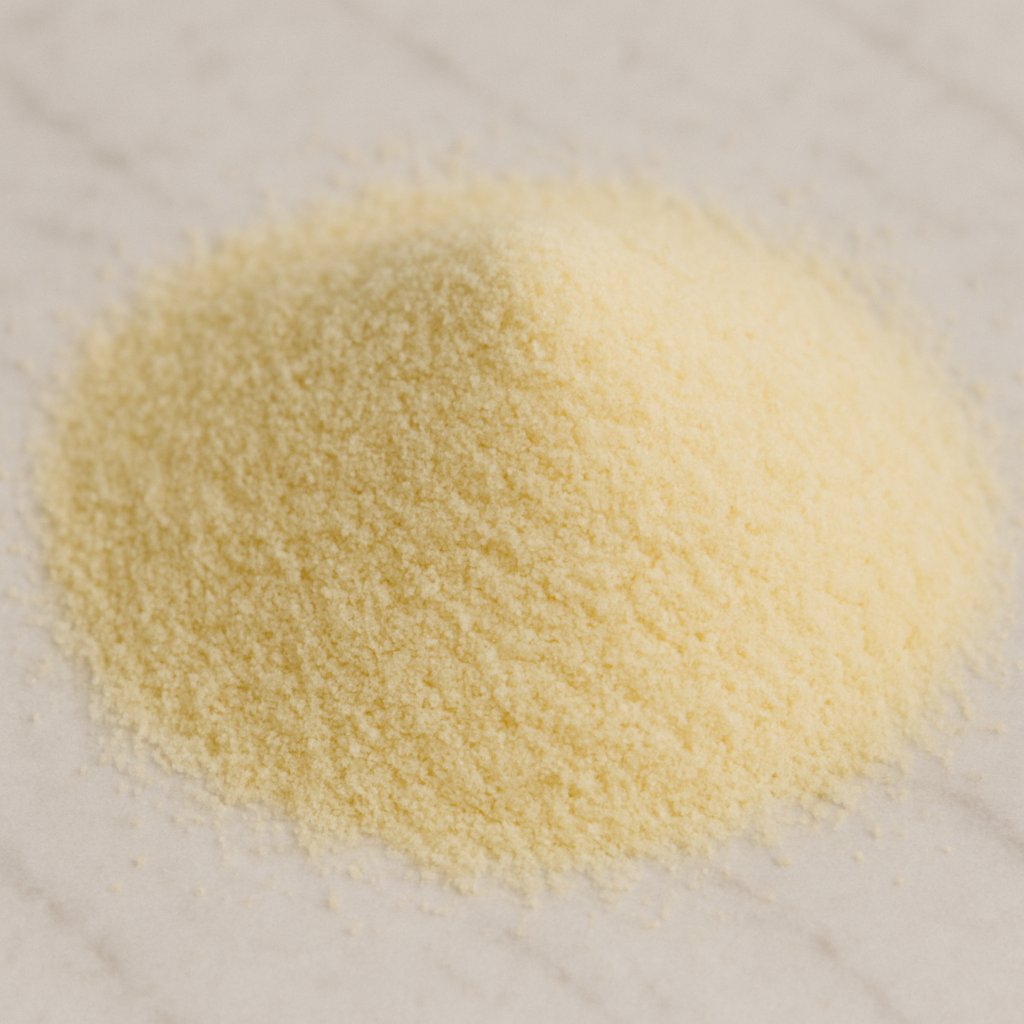
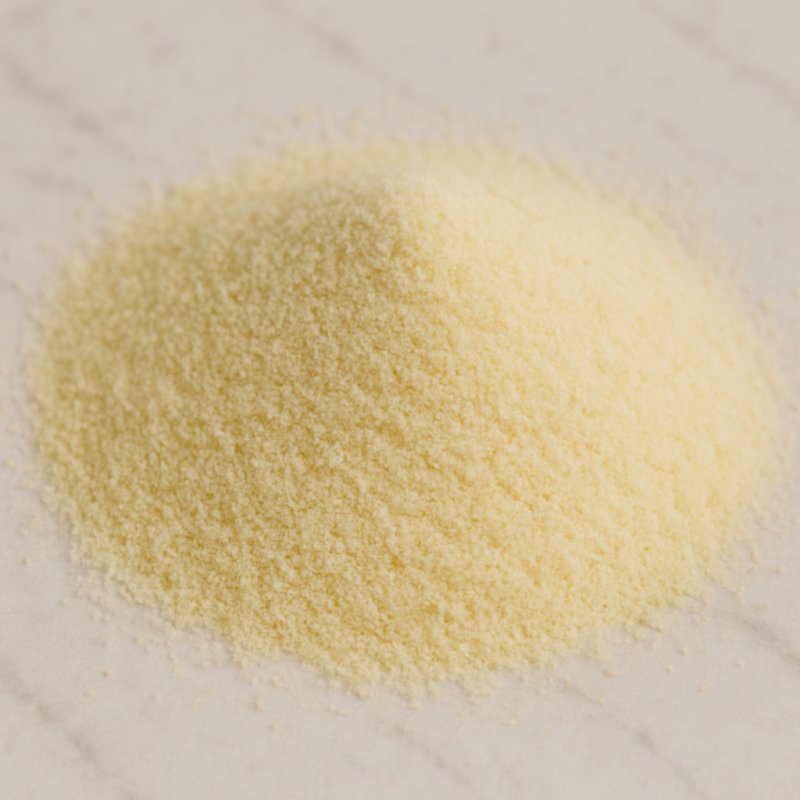
Semolina is a common kitchen ingredient that you can buy in many supermarkets, health food stores or even at farmers' markets. It is made from grains, mostly wheat or durum wheat, and is processed so that only the larger, firmer parts of the kernels remain. Imagine roughly rubbing a grain so that small, grainy pieces form — that's semolina. Because it is so versatile, you'll find it almost anywhere cereal products are sold.
Origin and growing regions
Semolina mainly comes from cereal plants. The most common are:
- Soft wheat – grows well in regions with a temperate climate. In Europe, particularly in countries such as Germany, France and Poland, a lot of soft wheat is grown.
- Durum wheat (also called durum) – is the grain often used for pasta and certain semolinas. Durum wheat prefers warmer, drier regions, for example Italy, Spain or parts of North Africa and the Middle East.
The fields where these cereals grow look like wide, yellow seas in summer. Farmers sow the grain, care for the plants and harvest them when they are ripe. The kernels are then cleaned in mills and ground until semolina is produced.
Available varieties and variants
There are different kinds of semolina that vary in size, granularity, type of grain and processing. The most important and commonly purchased are:
- Soft wheat semolina – finer and often used for puddings, semolina porridge or for thickening dishes. It is mild in flavor and easy to cook.
- Durum semolina – somewhat coarser and firmer. It is often used for pasta or dishes like semolina gratin because it stays al dente when cooked.
- Corn semolina (polenta) – made from maize, yellow and with a slightly sweet taste. Polenta is popular in Italian cuisine.
- Semolina from other grains – for example from millet, spelt or rice. These variants are practical when someone prefers other grains or cannot tolerate certain foods.
Semolina is also sold in different degrees of fineness: from very fine (almost like flour) to coarse (with visible small grains). Fineness determines how soft or grainy the finished dish will be. You can imagine it like sand: fine sand feels very smooth, coarse sand has small grains you can feel.
Purchase and storage
You will usually find semolina in paper bags or boxes, sometimes in plastic bags. It is available as a conventional product and as an organic version, where the kernels were grown without chemical pesticides. If you have semolina at home, store it in a dry, dark place – in a closed container or cupboard – so it stays fresh longer and does not absorb moisture.
In summary: semolina is widely available, comes from cereal fields in many parts of the world, and there are different varieties such as soft wheat semolina, durum semolina, corn semolina and semolina from other grains. Each type has its own flavor and texture, so you can always find the right semolina for different recipes.