Availability and types
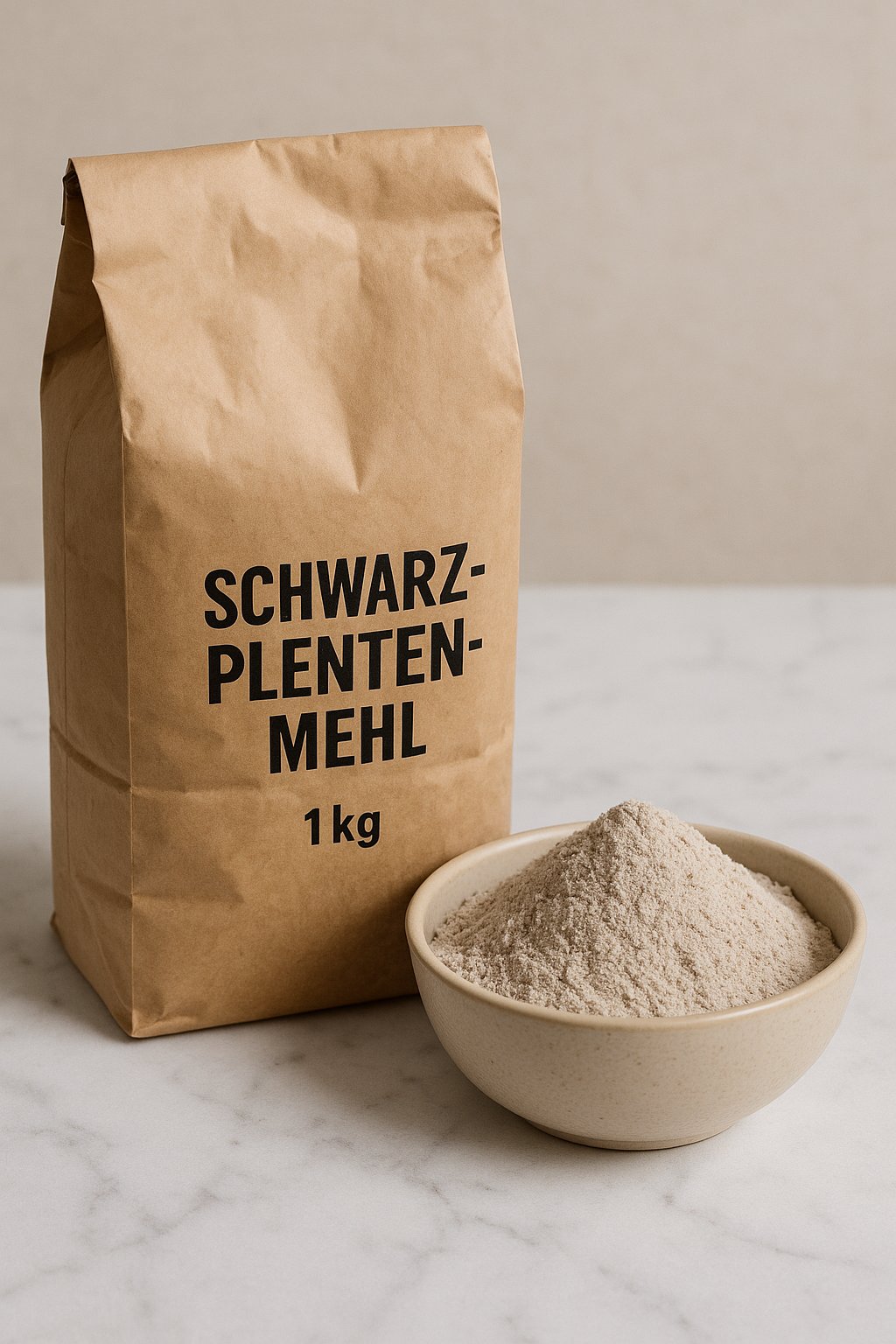
Schwarzplenten flour is a flour made from a special cereal plant that sometimes looks a bit unusual. The name can be confusing, but picture it like rye or wheat — just a different variety. This flour is milled from the grains of a plant that grows in various regions. Today it is increasingly available on the market, especially where people like to try new or heritage cereal varieties.
Origin
Schwarzplenten flour usually comes from countries where small or old cereal varieties are preserved. It often originates in Europe, but also in parts of Asia or North America, where farmers are reintroducing heirloom varieties. Originally, this type of grain was grown in small regions because it adapted well to the local climate. Today organic farmers and food enthusiasts are reintroducing such varieties so they do not disappear.
Schwarzplenten flour usually comes from countries where small or old cereal varieties are preserved. It often originates in Europe, but also in parts of Asia or North America, where farmers are reintroducing heirloom varieties. Originally, this type of grain was grown in small regions because it adapted well to the local climate. Today organic farmers and food enthusiasts are reintroducing such varieties so they do not disappear.
Growing regions
The plants used for Schwarzplenten flour generally prefer cooler climates and can also grow on soils that are not very fertile. Therefore you often see fields in:
The plants used for Schwarzplenten flour generally prefer cooler climates and can also grow on soils that are not very fertile. Therefore you often see fields in:
- Central Europe (for example Germany, Poland)
- parts of Scandinavia
- some regions of Eastern Europe
- occasionally in parts of North America and Asia where farmers cultivate heirloom varieties
Comparison: Whereas wheat likes to grow in large, flat fields, this plant sometimes fares better in smaller plots or on land that is not ideal for modern arable farming.
Available types and variants
There is not just one kind of Schwarzplenten flour. Just like apples (which also come in many varieties with different flavor notes), the flour comes in different variants. The main distinctions are:
There is not just one kind of Schwarzplenten flour. Just like apples (which also come in many varieties with different flavor notes), the flour comes in different variants. The main distinctions are:
- Whole-grain Schwarzplenten flour: This flour contains the whole kernel – the outer hull (seed coat), the germ and the endosperm. It is darker, has more flavor and contains many nutrients. It's like eating a whole apple rather than just the juice.
- Sifted or lighter flour: Parts of the hull have been removed, making the flour finer and lighter. It tastes milder and is suitable when you want a airier bread or fine pastries.
- Coarse grind: Sometimes the grain is only coarsely milled. This produces a flour with small pieces that gives crispier textures when baking, similar to coarse semolina.
- Fine grind: Very finely milled flour is better suited for cakes or delicate doughs.
- Organic and conventional variants: Organic flour comes from farmers who do not use synthetic pesticides or chemical fertilizers. Conventional flour comes from standard agriculture. Many people choose organic because they want to support traditional farming methods.
Where to buy it
Schwarzplenten flour is not always found on the regular supermarket shelf, but there are several ways to get it:
Schwarzplenten flour is not always found on the regular supermarket shelf, but there are several ways to get it:
- Health food stores and organic shops: they often carry old or unusual cereal varieties.
- Online shops: many small mills or sellers offer the flour on the internet.
- Directly from farmers or regional farm shops: especially when local farmers grow heirloom varieties.
If you're curious, try a small package first and see which variety you and your family like best. Schwarzplenten flour offers a nice way to discover old cereal varieties and bake more diversely.