Menu & categories

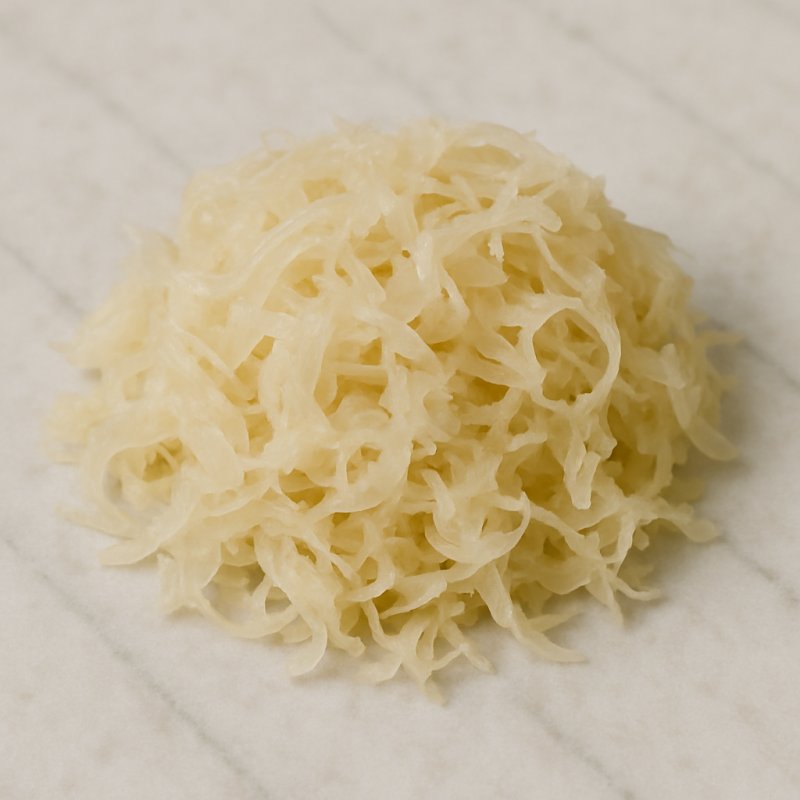
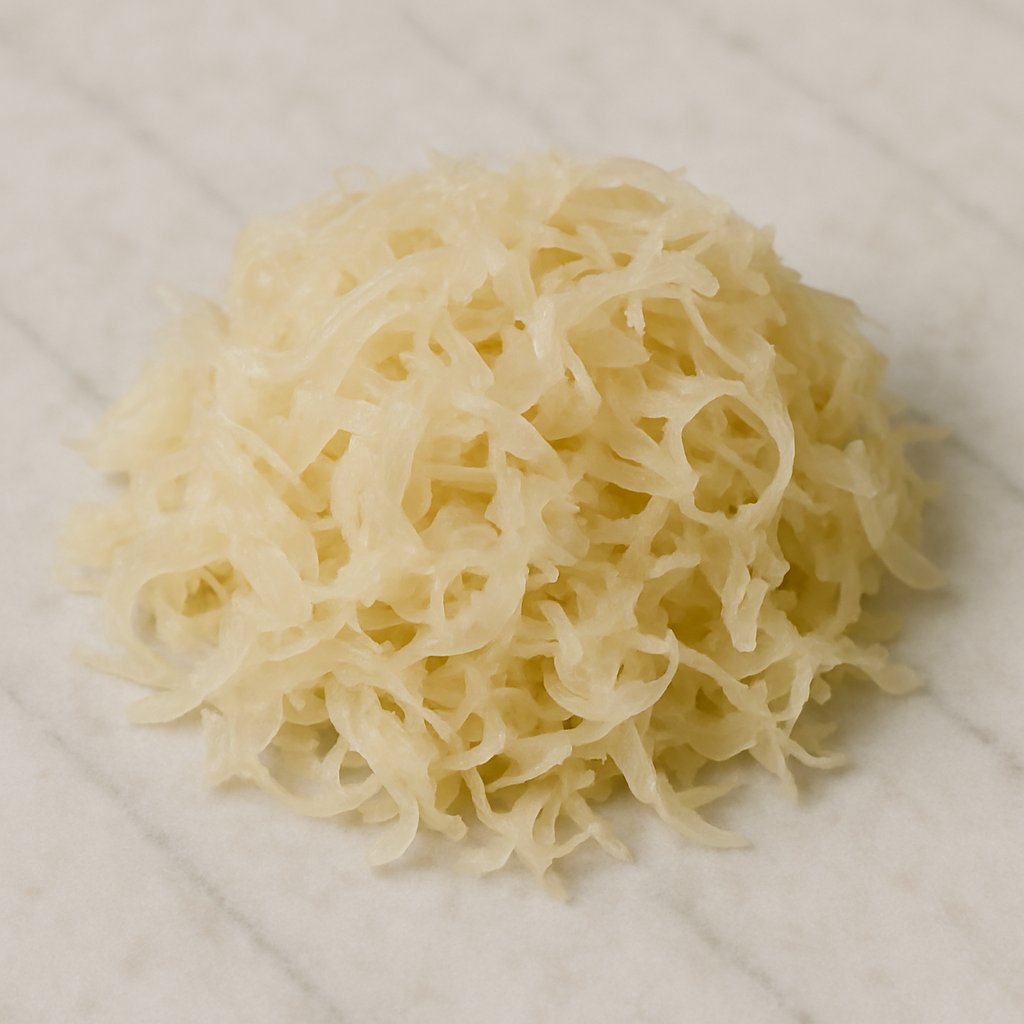
Sauerkraut

Fermented white cabbage – crunchy, sour, probiotic

Wiki about sauerkraut Nutri-Score A Vegan Yes Gluten-free Yes Lactose-free Yes Nut-free Yes
NUTRITION / 100 g
19 kcal 1.0 g Protein 4.3 g Kohlenhydrate 0.1 g Fett

Introduction

Bowl of sauerkraut
Sauerkraut is one of those ingredients that always has a fixed place in my European kitchen. As a 35-year-old editor who professionally researches culinary traditions and privately loves to cook, I see sauerkraut as much more than a side dish. It is a piece of lived culture, an example of sustainable preservation and a source of vibrant flavors. My grandmother swore by her homemade fermented cabbage, while a colleague recently told me how a jar of sauerkraut saved his energy and mood during a trekking trip in the Alps. This mix of tradition, functionality and taste makes sauerkraut unique.

Historically, sauerkraut is closely linked to the European winter. Before freezers and global vegetable imports, fermentation was the most reliable method to preserve vitamins through the cold season. White cabbage is finely shredded, mixed with salt and fermented in the absence of oxygen. Lactic acid bacteria convert sugars into lactic acid, which preserves the cabbage and gives it its characteristic aroma. A friend from Poland jokingly calls these bacteria her “kitchen heroes,” because they are responsible not only for flavor but also for digestibility.

In modern nutrition, sauerkraut is gaining new significance. Fermented foods are trendy, and for good reason. They are rich in components from lactic fermentation, provide fiber and can add freshness and depth to dishes. I remember a cooking class in Vienna where the instructor explained how a spoonful of raw sauerkraut can “wake up” a heavy cream sauce. Since then I finish hearty stews with a small portion to balance fat, acidity and umami.

The sensory range of sauerkraut goes from mildly tangy to powerfully bitter. Depending on the cut, salt content and maturation time, different profiles develop. A colleague from Alsace occasionally brings a mild, almost floral kraut that he ferments with juniper and apple. In Bavaria, I encounter a more robust variant that shines in hearty dishes like Kassler with sauerkraut and caraway. This range makes sauerkraut

Availability & types

Availability and types of sauerkraut

Sauerkraut is a traditional food made from finely shredded white cabbage preserved by lactic acid fermentation. This fermentation happens naturally: beneficial lactic acid bacteria convert the sugars in the cabbage into lactic acid. As a result, the cabbage becomes sour, keeps longer and acquires its typical taste. For children from about 12 years old this can be remembered like this: From simple cabbage, friendly bacteria create a “super cabbage” that lasts much longer and tastes pleasantly sour.

Origin and distribution
Sauerkraut is known in many countries. It is particularly famous in Germany, Austria, Poland, the Czech Republic, Switzerland and parts of France. In Korea there is a very related idea, kimchi, which is spicier. In Europe sauerkraut has been produced for centuries because it replaced fresh vegetables in winter and provided important vitamins. On ships it served for a long time as protection against scurvy because it contains vitamin C. Today sauerkraut can be found worldwide in supermarkets, organic shops, delicatessens and at weekly markets.

Availability throughout the year
Basically sauerkraut is available year-round. Production does depend on the cabbage harvest, but because sauerkraut is preserved by fermentation, it can be stored and sold for many months.

  • Autumn and winter: main season for fresh cabbage from the new harvest. Many producers start new fermentation batches then. Freshly filled, raw sauerkraut is particularly common now.
  • Spring and summer: no problem: through storage and preservation sauerkraut remains available. It can be used as a light side dish for grilled foods or in salads.
  • All year: preserved varieties in jars, cans or pouches are permanently on the shelves.
Where to get sauerkraut?

  • Supermarket: mostly in jars, cans or plastic pouches. Sometimes also in the refrigerated section
Details & nutrition

Property Value
Unit g
Average weight per piece 150
Calories per 100 19
Protein per 100 1.0
Carbohydrates per 100 4.3
Sugar per 100 1.8
Fat per 100 0.1
Saturated fat per 100 0.02
Monounsaturated fat 0.01
Polyunsaturated fat 0.05
Fiber per 100 2.9
Vitamin C (mg) per 100 15
Vitamin D (IU) per 100 0
Calcium (mg) per 100 30
Iron (mg) per 100 1.5
Nutri-Score A
CO₂ footprint 0.3 kg CO2e/kg
Origin Europe
Gluten-free Yes
Lactose-free Yes
Nut-free Yes
Vegan Yes
Note May have elevated salt content depending on production method; natural fermentation process.

Technical & scientific information

Sauerkraut is a fermented food based on finely shredded white cabbage leaves (Brassica oleracea var. capitata), whose production is carried out by lactic acid fermentation. Characteristic are a low pH, a high content of organic acids and a complex microflora of lactic acid bacteria (LAB). These parameters give the product its typical acidity, shelf life and nutritional peculiarities.

Raw material and processing
The starting material is fresh, firm cabbage heads with a high dry matter content and a sugar content typically of 3–6 percent, mainly as glucose and fructose. The cabbage is cleaned, quartered, cored and mechanically cut into fine strips (usually 0.8–2.0 mm). By salting (typically 1.5–2.5 percent NaCl based on the cabbage mass) cell sap is osmotically released, creating an anaerobic environment in its own juice. Compacting the shredded cabbage in fermentation vessels minimizes residual oxygen and favors the desired microorganisms.

Microbiology and fermentation dynamics
Fermentation is initiated spontaneously by epiphytic lactic acid bacteria or controlled by starter cultures. In early phases facultatively anaerobic species such as Leuconostoc mesenteroides dominate, which at moderate temperatures (18–22 °C) produce CO2 and lactic acid and rapidly lower the pH. They are followed by acidophilic species, typically Lactiplantibacillus plantarum (syn. Lactobacillus plantarum) and Limosilactobacillus fermentum, which predominantly produce lactic acid homofermentatively. Optionally heterofermentative pathways appear, generating besides lactic acid also acetic acid, ethanol and CO2. An end pH of 3.2–3.8 is common; titratable acidity (as lactic acid) often ranges between 0.7 and 1.8 percent. Successful fermentation suppresses undesirable microflora, microbiologically stabilizes the product and extends shelf life.

Chemical composition


Wiki entry for: sauerkraut
Active now: 15 visitors of which 2 logged-in members in the last 5 minutes