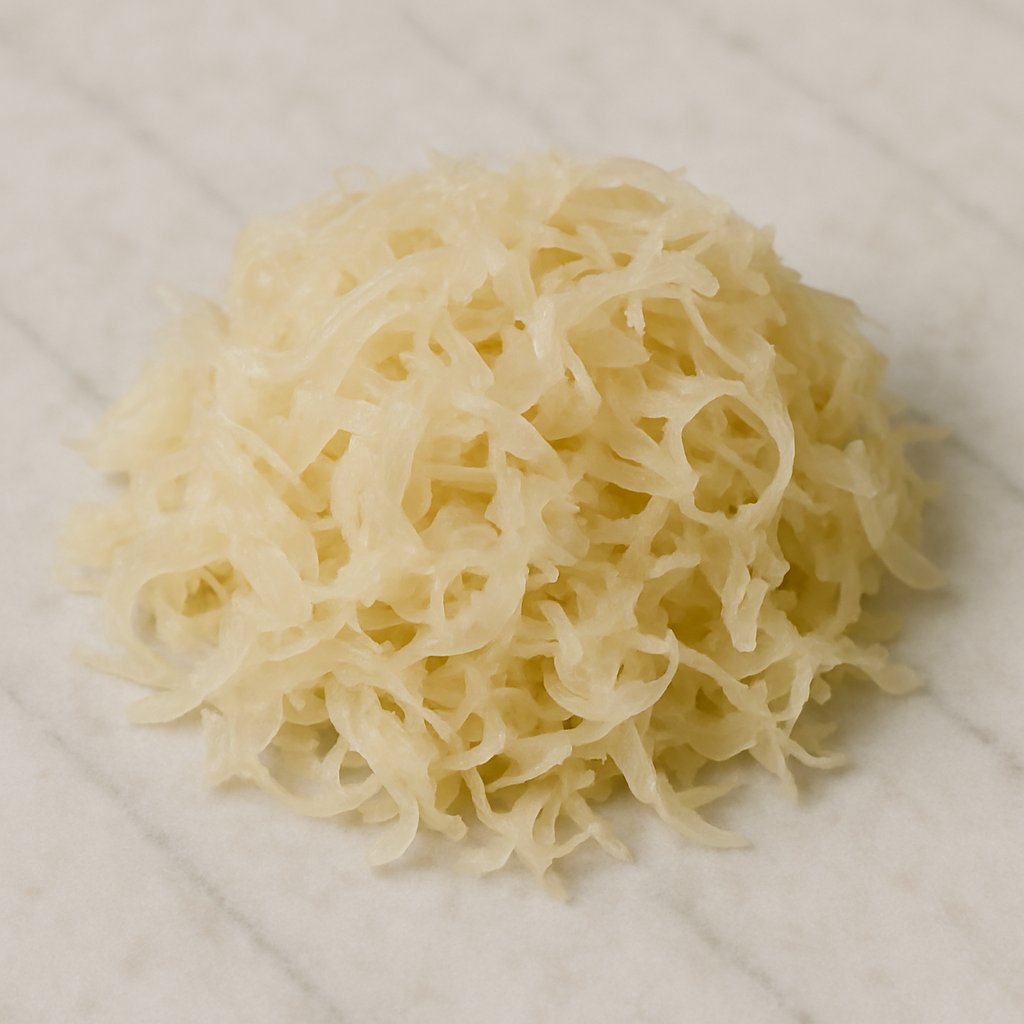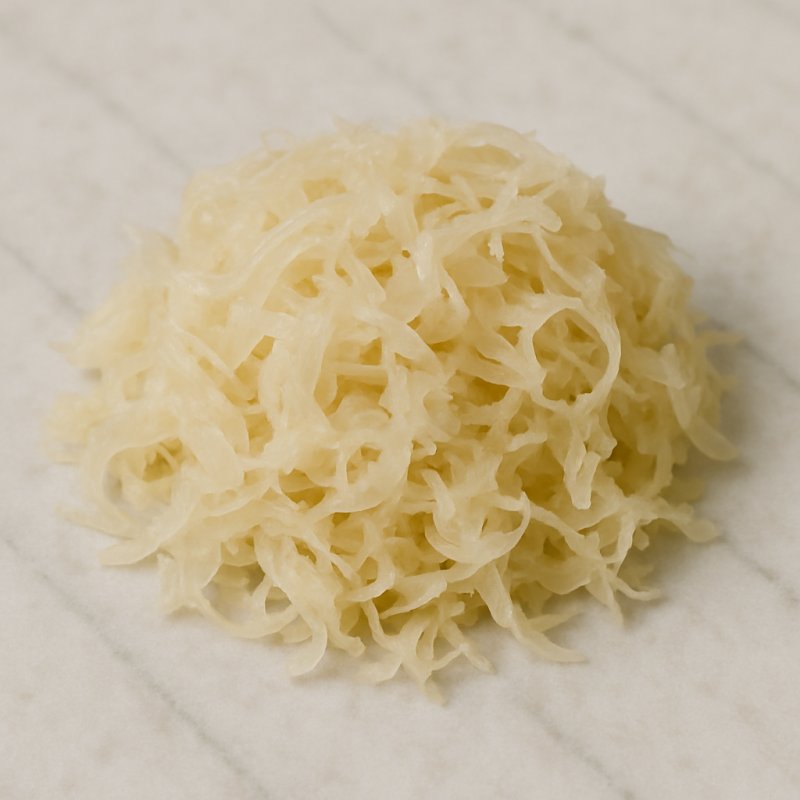
Availability and types of sauerkraut
Sauerkraut is a traditional food made from finely shredded white cabbage preserved by lactic acid fermentation. This fermentation happens naturally: beneficial lactic acid bacteria convert the sugars in the cabbage into lactic acid. As a result, the cabbage becomes sour, keeps longer and acquires its typical taste. For children from about 12 years old this can be remembered like this: From simple cabbage, friendly bacteria create a “super cabbage” that lasts much longer and tastes pleasantly sour.
Origin and distribution
Sauerkraut is known in many countries. It is particularly famous in Germany, Austria, Poland, the Czech Republic, Switzerland and parts of France. In Korea there is a very related idea, kimchi, which is spicier. In Europe sauerkraut has been produced for centuries because it replaced fresh vegetables in winter and provided important vitamins. On ships it served for a long time as protection against scurvy because it contains vitamin C. Today sauerkraut can be found worldwide in supermarkets, organic shops, delicatessens and at weekly markets.
Sauerkraut is known in many countries. It is particularly famous in Germany, Austria, Poland, the Czech Republic, Switzerland and parts of France. In Korea there is a very related idea, kimchi, which is spicier. In Europe sauerkraut has been produced for centuries because it replaced fresh vegetables in winter and provided important vitamins. On ships it served for a long time as protection against scurvy because it contains vitamin C. Today sauerkraut can be found worldwide in supermarkets, organic shops, delicatessens and at weekly markets.
Availability throughout the year
Basically sauerkraut is available year-round. Production does depend on the cabbage harvest, but because sauerkraut is preserved by fermentation, it can be stored and sold for many months.
Basically sauerkraut is available year-round. Production does depend on the cabbage harvest, but because sauerkraut is preserved by fermentation, it can be stored and sold for many months.
- Autumn and winter: main season for fresh cabbage from the new harvest. Many producers start new fermentation batches then. Freshly filled, raw sauerkraut is particularly common now.
- Spring and summer: no problem: through storage and preservation sauerkraut remains available. It can be used as a light side dish for grilled foods or in salads.
- All year: preserved varieties in jars, cans or pouches are permanently on the shelves.
Where to get sauerkraut?
- Supermarket: mostly in jars, cans or plastic pouches. Sometimes also in the refrigerated section