Availability and types
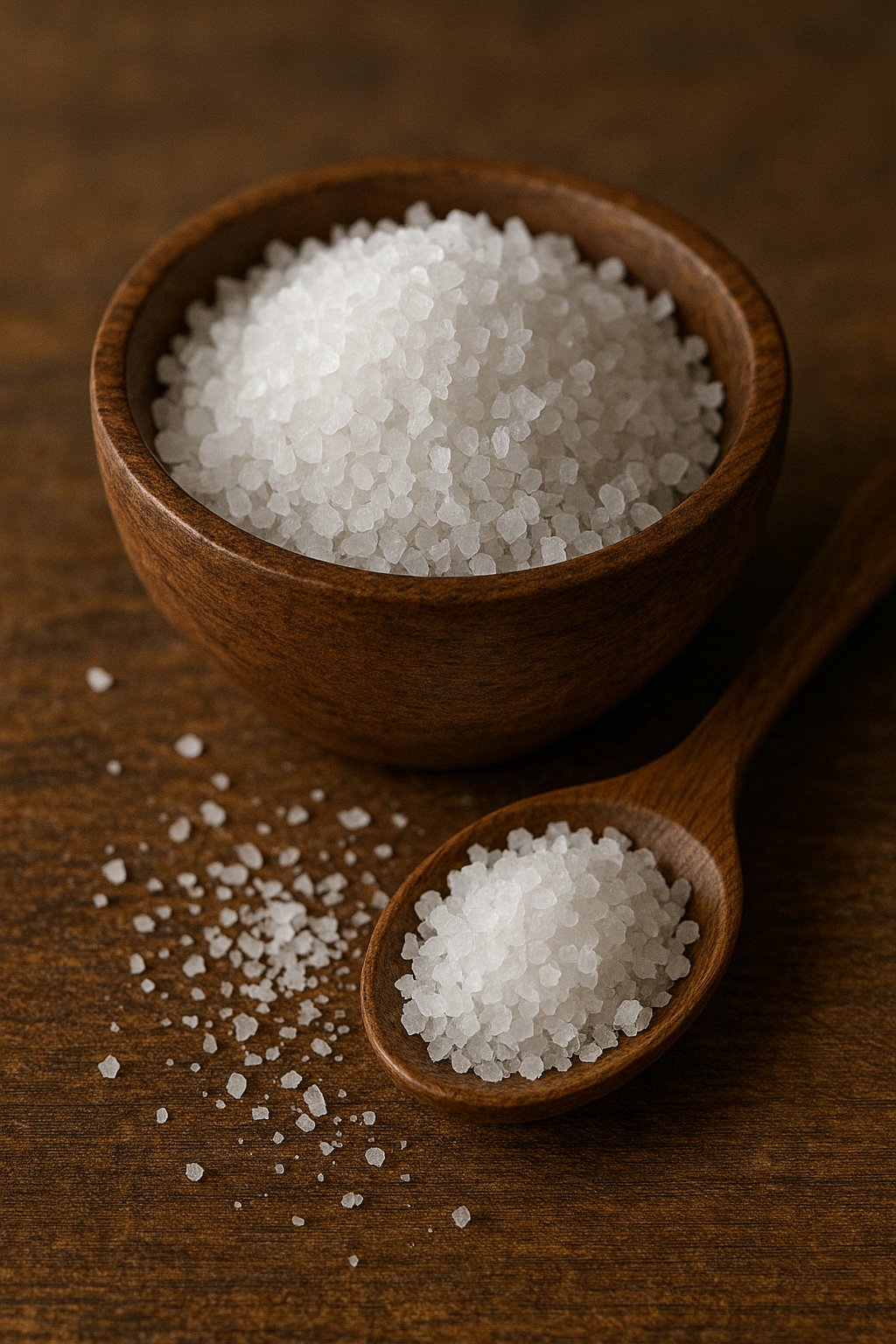
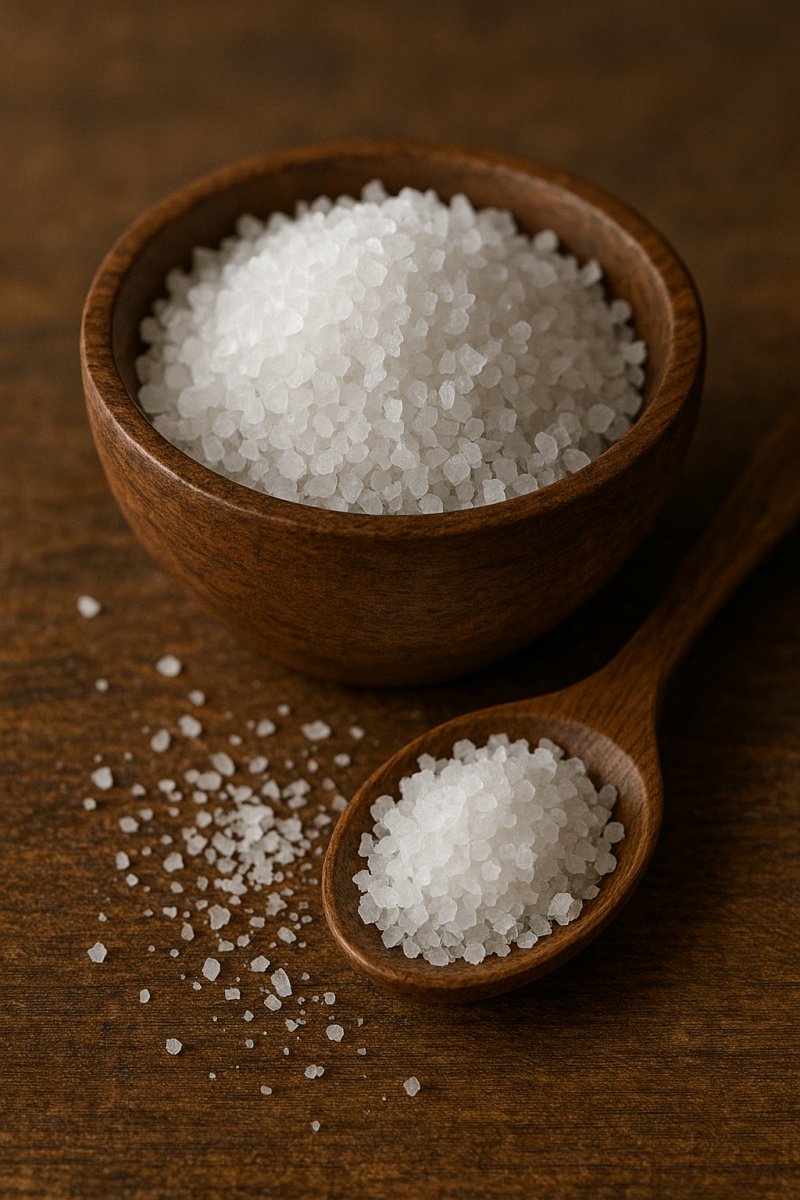
Salt is one of the easiest ingredients to find and is available almost everywhere. It can be found in nearly every grocery store, supermarket, health food shop and online. You can often buy salt in small shakers for the table or in large sacks for industry. But salt is not all the same: there are many types that differ in appearance, taste and origin. Here I explain simply where salt comes from, which growing or extraction regions are important and which varieties you can find in stores.
Where does salt come from?
Salt is produced in two main ways:
Salt is produced in two main ways:
- Sea salt: is produced when seawater evaporates in shallow basins (salt pans) and only the salt remains. This often happens on coasts with plenty of sun and wind, for example in the Mediterranean, on Europe's Atlantic coast, in India or Australia. Places like France's Guérande or the salt pans in Portugal and Mallorca are known for good sea salt.
- Rock salt (mined salt): is ancient seawater that was trapped underground long ago and is now mined as rock salt. Such salt mines exist in countries like Germany, Poland, the USA (e.g. Utah) and Pakistan (the famous Khewra deposit).
What kinds and variants exist?
Here are some of the most common and popular salt types, explained so it's easy to understand:
Here are some of the most common and popular salt types, explained so it's easy to understand:
- Table salt: This is the ordinary fine salt many families use. It is often purified and sometimes iodized. Iodine is a trace mineral important for our health — which is why it is sometimes added to salt.
- Sea salt: usually has larger, coarser crystals and can have slight taste differences due to minerals. Some people like it for its more “sea-like” flavor.
- Fleur de Sel: a fine, crunchy sea salt that crystallizes on the surface of salt ponds. It is often used as a special finishing salt.
- Coarse and flake salts (e.g. Maldon): the crystals are flat or flaky and crunch in the mouth — ideal for sprinkling on salads or roasts.
- Himalayan salt: pink in color and from a mine in Pakistan. Many like the color and often use it decoratively or as a table salt.
Smoke salt: salt that has been smoked over wood. It gives foods a smoky taste, as if grilled.
Iodized salt and reduced-sodium salt: special variants for health purposes — iodized salt contains iodine, and reduced-sodium salt has part of the sodium chloride replaced by other salts.
More specialized salts: there are also flavored salts (e.g. with herbs), grey salt (Sel Gris) or coarse cooking salts for brining foods.
How to choose?
For everyday use ordinary table salt is usually sufficient. If you want something special, try sea salt or Fleur de Sel as a finish on a dish. For recipes where salt must dissolve quickly, fine table salt is better. For a crunchy texture, flake or coarse salts are great.
For everyday use ordinary table salt is usually sufficient. If you want something special, try sea salt or Fleur de Sel as a finish on a dish. For recipes where salt must dissolve quickly, fine table salt is better. For a crunchy texture, flake or coarse salts are great.
In short: salt is easy to obtain and there are many types — from simple table salt to special sea salts and rock salt. Each has its own properties, and which you choose depends on how and for what you will use it.