Availability and types
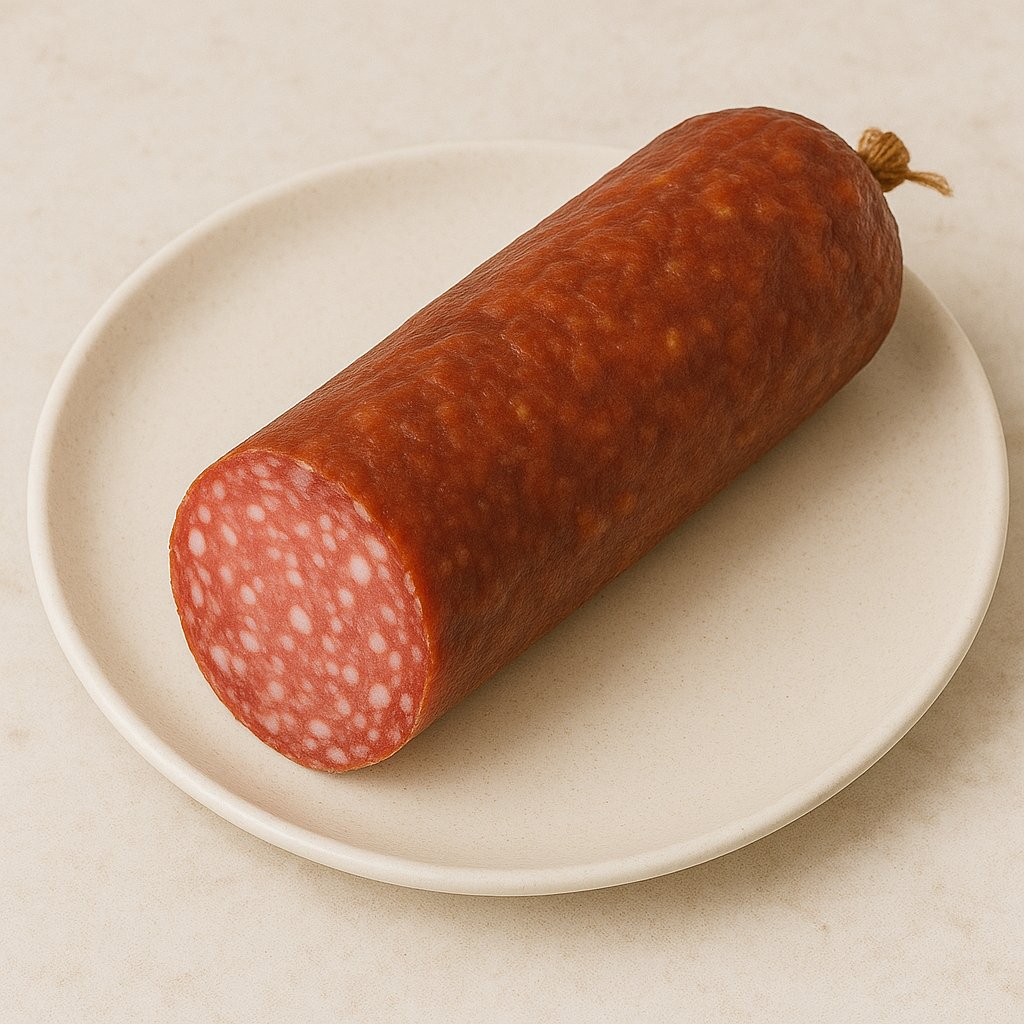
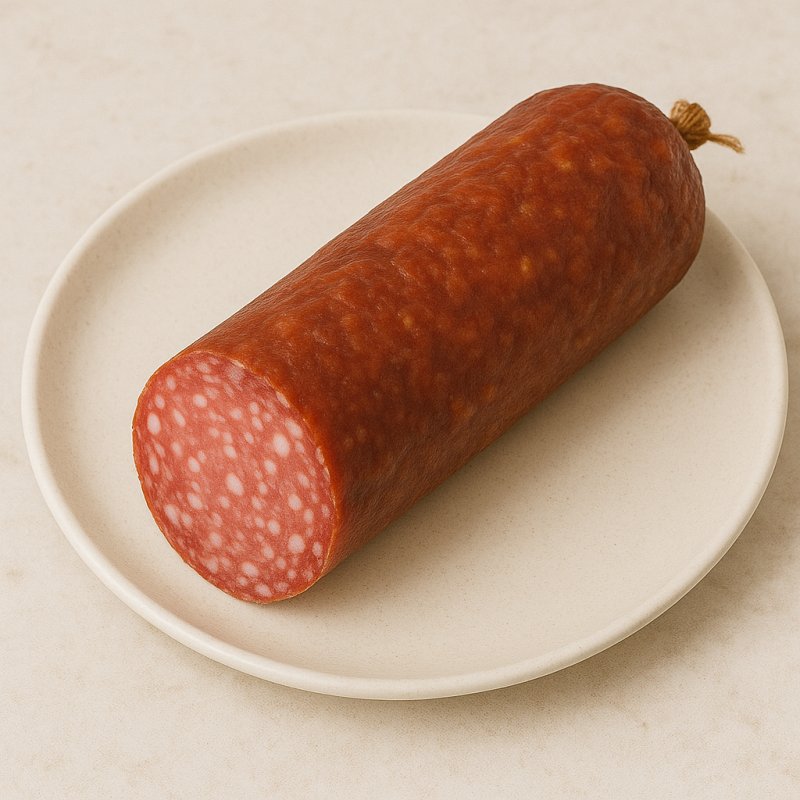
Salami is a sausage that can be found almost everywhere in the world. It originally comes from Europe and is especially popular in countries like Italy, Spain and Germany. There people developed various recipes over many years, so today there are very many kinds of salami. You can buy salami in supermarkets, at weekly markets, from the butcher or even in specialist delicatessens. It is often packaged in slices in the refrigerated section, sometimes also as a whole rope or in rolls.
Where does salami come from?
Originally salami comes from regions with warm, dry air, because in the past there was no refrigerator and food had to be preserved. The best-known origin is Italy, where many varieties were invented. But there are also long traditions in Germany and Spain. Today salami is produced in many countries because the recipe can be easily adapted to climatic and cultural differences.
Which cultivation or production areas exist?
Salami is not "grown" like vegetables, but produced. Important regions are:
- Italy: Famous for varieties like Milano or Napoli salami. Italian salamis are often more piquant and have specific spices.
- Germany: There are many regional variants here, for example pepper salami. German butchers place value on local ingredients.
- Spain: Known for air-dried sausages, often seasoned with paprika.
- Other countries: Salami is produced in the USA, France, Hungary and many other countries, often with their own flavour profiles.
These places influence how the salami tastes: climate, spices and traditions ensure that each region has its typical variant.
What types are there?
Salami comes in many forms. Here are some common types, simply explained:
- Milano/Milan salami: Finely chopped, mild and good for pizza or bread. It feels somewhat tender, almost like a soft pillow.
- Neapolitan/Napoli salami: Slightly coarser and spicier, with a stronger flavour.
- Pepper salami: With whole peppercorns that can crack when bitten. Like little pepper balls that burst in the mouth.
- Hungarian salami: Usually robust with paprika, therefore slightly red-colored and spicy.
- Air-dried salami: Hangs for a long time in dry rooms and loses water, becoming firmer and more intense in flavour.
- Ham- or cured-ham-like variants: Some salamis are very mild and resemble ham because they mature for a long time.
Fresh vs. long-lasting varieties
There are salamis that are very long-lasting because they have been dried and matured. These varieties are firm and drier. Others are found vacuum-packed in the refrigerated section; these are softer and must be eaten sooner. A simple comparison: dried salami is like a hard bread that stays fresh for a long time, while fresh packaged salami is more like a soft roll that should be eaten more quickly.
Special varieties
- Salami for children: mildly seasoned, without too much pepper or hot spices.
- Vegetarian/vegan salami alternatives: without meat, made from plant-based ingredients, for people who do not want to eat meat.
- Specialties: regional, handmade varieties from small butchers, sometimes with unusual spices like garlic, fennel or red wine.
In summary: salami is available worldwide and originally comes from Europe. Depending on where it is made and how long it matures, taste and texture differ. There are mild varieties for children, spicy variants with pepper or paprika, air-dried, very long-lasting types and even vegetarian alternatives. So almost everyone finds the salami that suits their taste.