Availability and types
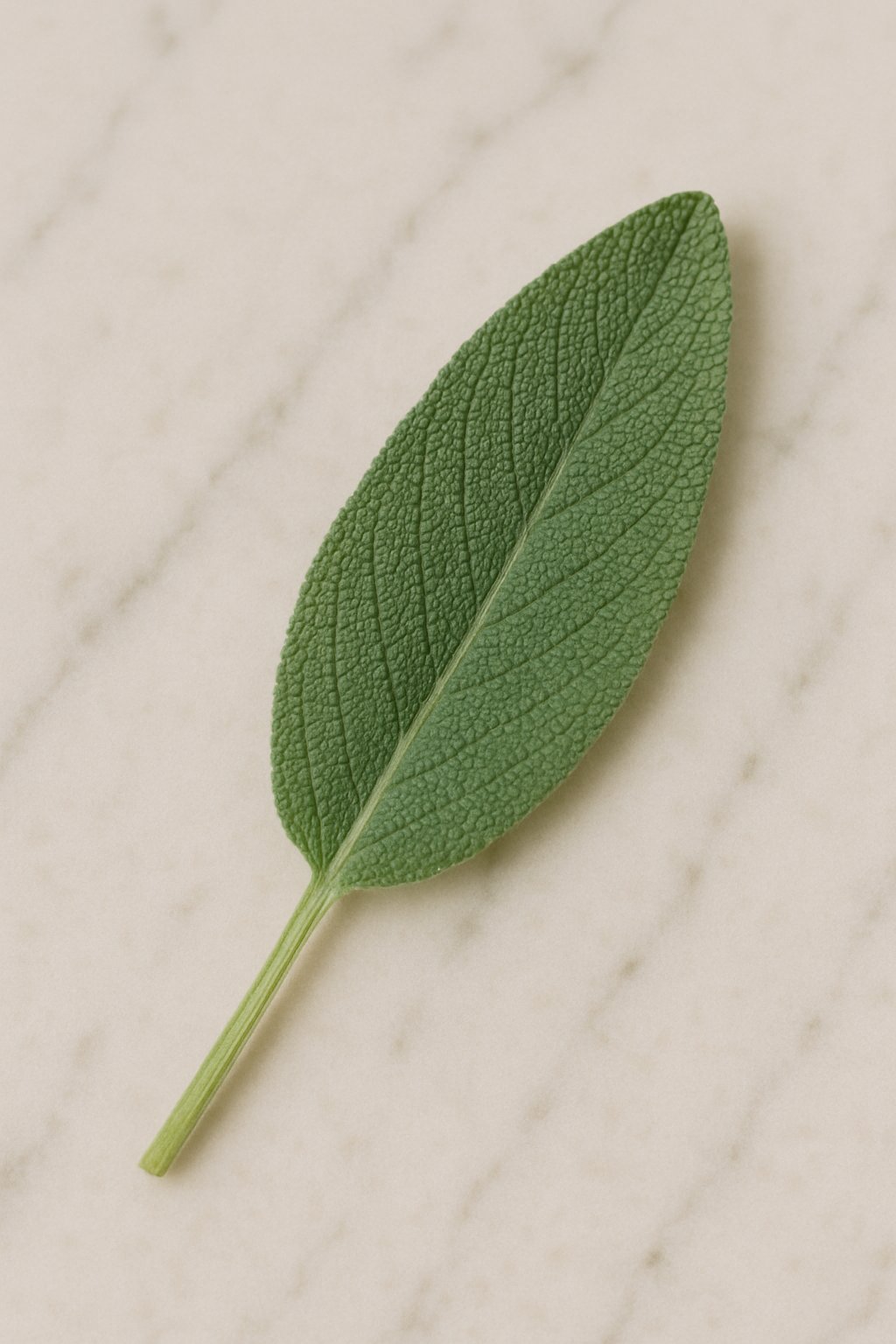
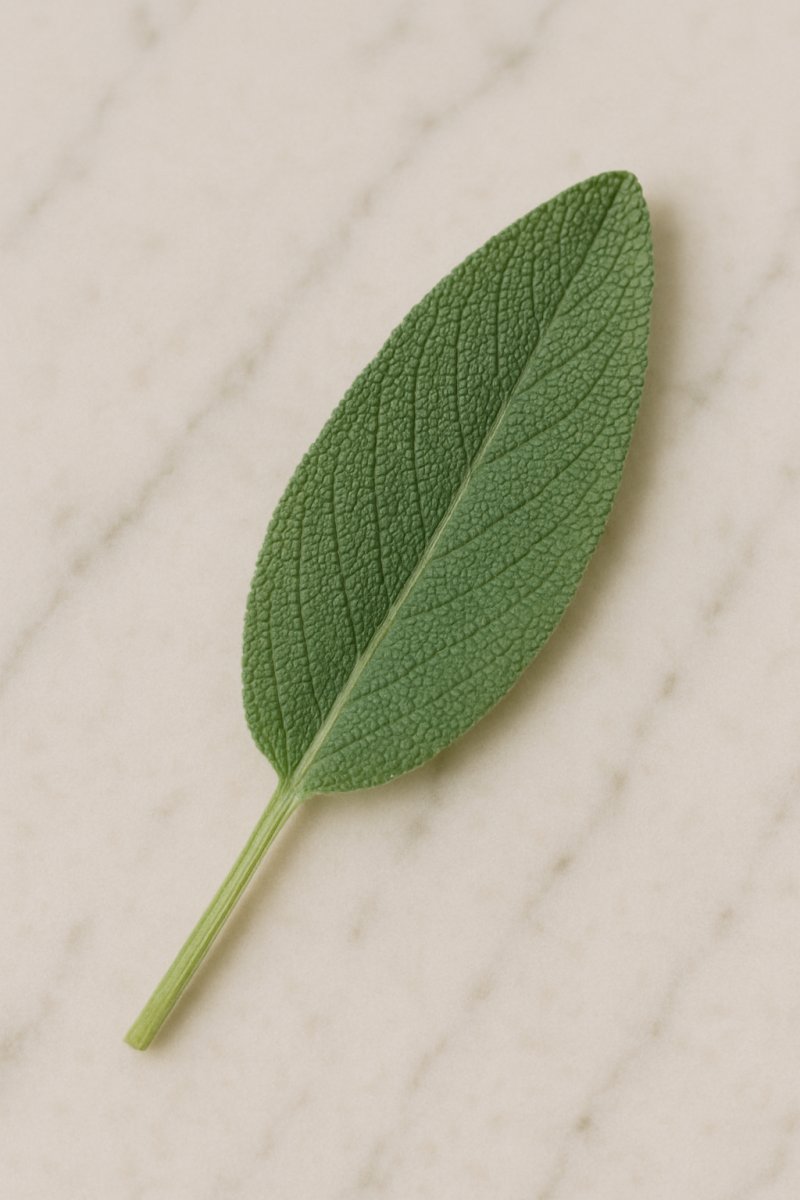
The sage leaf comes from the sage plant, an herbaceous plant with soft, slightly hairy leaves. Sage originally comes from the Mediterranean region, so from countries like Italy, Greece and Spain. It grows well there because it is warm and sunny. Today sage is grown in many parts of the world where the climate is not too cold or too wet. This makes the plant very popular and the leaves are often readily available.
If you want to buy sage leaves, you will find them in different forms and types. Here are the main varieties, simply explained:
- Fresh sage leaves: these leaves look as if they were just picked from the plant. They are soft and have a strong aroma. You usually find fresh leaves in produce sections, at farmers' markets or in your own garden. Fresh leaves are ideal if you plan to use them right away, for example for frying or in sauces.
- Dried sage leaves: these leaves have been gently dried to make them last longer. Dried sage is practical because you can store it for a long time. It is not as bright green as fresh sage, but the aroma is preserved. Dried sage is usually sold in small jars or packets.
- Chopped or ground sage: sometimes sage is finely chopped or turned into a powder. This is convenient when you only need a little or when you want to mix it into doughs or spice blends. Powder dissolves more quickly in foods than whole leaves.
- Sage as a potted plant: many people grow sage on the windowsill or in the garden. This is a great way to always have fresh leaves on hand. A potted plant needs only some sun, little water and occasional fertilizer.
Besides these supply forms there are also different cultivars of sage. The best known are:
- Common sage (Salvia officinalis): this is the classic variety most commonly seen and used. It has larger, slightly rough leaves and a strong flavor.
- Shrub sage: this type often blooms with attractive flowers and is grown as an ornamental plant in gardens. The leaves are sometimes a bit milder in flavor.
- Varieties with silvery leaves: some sage species have particularly pale or silvery‑shining leaves. They are decorative and often have a somewhat different aroma – sometimes milder, sometimes more intense.
- Varieties with distinctive scents: there are also cultivars bred to smell differently, for example with a hint of citrus or peppermint. These suit special dishes or beverages well.
Availability often depends on the season: fresh sage is easiest to find in spring and summer when the plants are growing vigorously. Dried sage is available year‑round. If you want to be sure to get good quality, look for fresh green leaves or for gently dried leaves that have not been exposed to excessive heat. In supermarkets, markets, health food shops and garden centers you will normally find all the variants mentioned.
In summary: sage leaves originate from the Mediterranean but are now available worldwide. They come fresh, dried, ground and as potted plants, and in various cultivars with different aromas. This way you can choose the appropriate form according to your needs and taste.