Rye is a cereal many people know as bread, flour or flakes. It has a long history and is especially popular in cooler regions because it grows well on poor soils and in harsh weather. In this section I simply explain where rye comes from, where it is grown and which different types and forms you can find in the store or at the market.
Origin and history
Rye originally comes from Eurasia. That means: the plant was cultivated long ago in areas around Europe and Asia. Unlike wheat, rye prefers colder temperatures and less fertile soils. For this reason it became very important particularly in northern countries. You can think of rye as a robust friend that grows where other cereals struggle.
Rye originally comes from Eurasia. That means: the plant was cultivated long ago in areas around Europe and Asia. Unlike wheat, rye prefers colder temperatures and less fertile soils. For this reason it became very important particularly in northern countries. You can think of rye as a robust friend that grows where other cereals struggle.
Growing regions
- Europe: Large amounts of rye are grown in Germany, Poland, Russia and the Baltic countries. It is also common in Scandinavia.
- North America: Canada and some parts of the USA also grow rye – often in cooler regions.
- Other regions: In parts of Asia and South America rye is also grown, but much less than in Europe.
What varieties and forms exist?
Rye comes in several forms. Here are the main ones explained simply:
Rye comes in several forms. Here are the main ones explained simply:
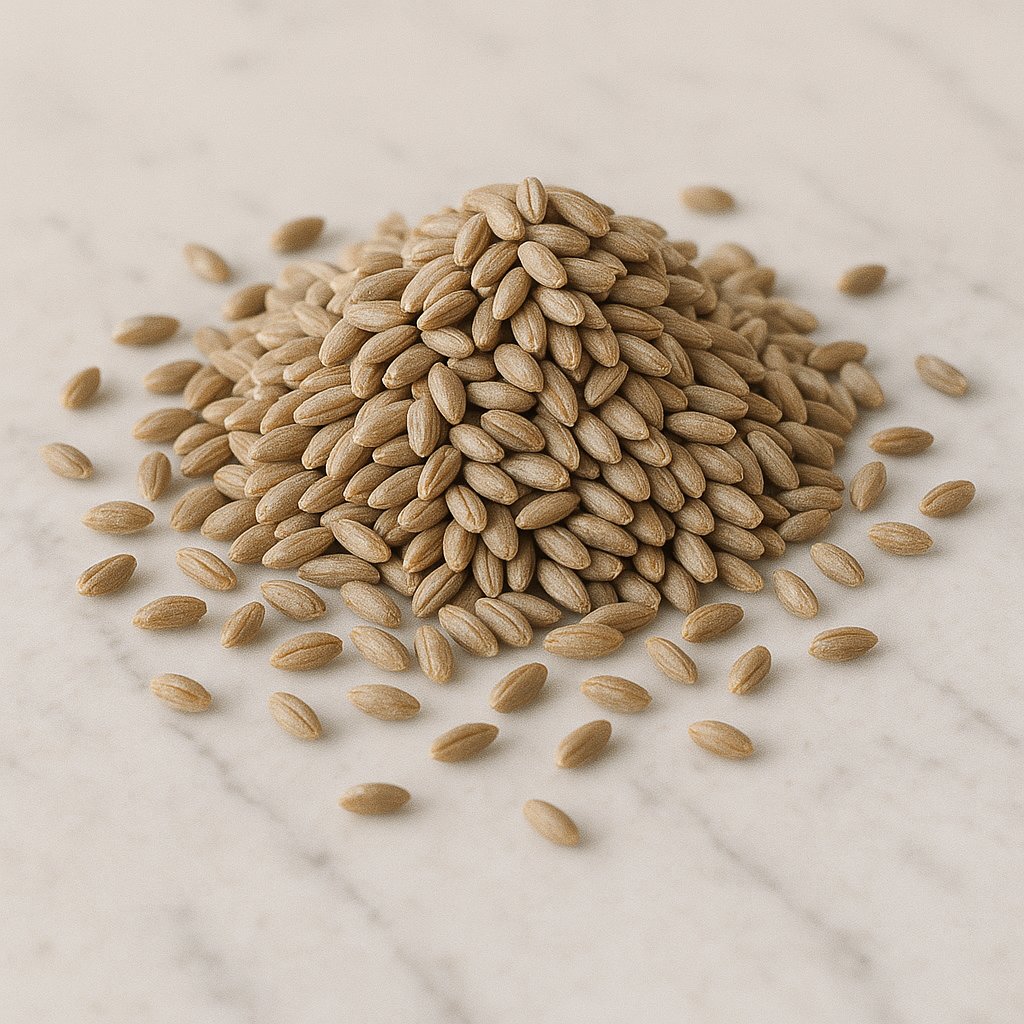
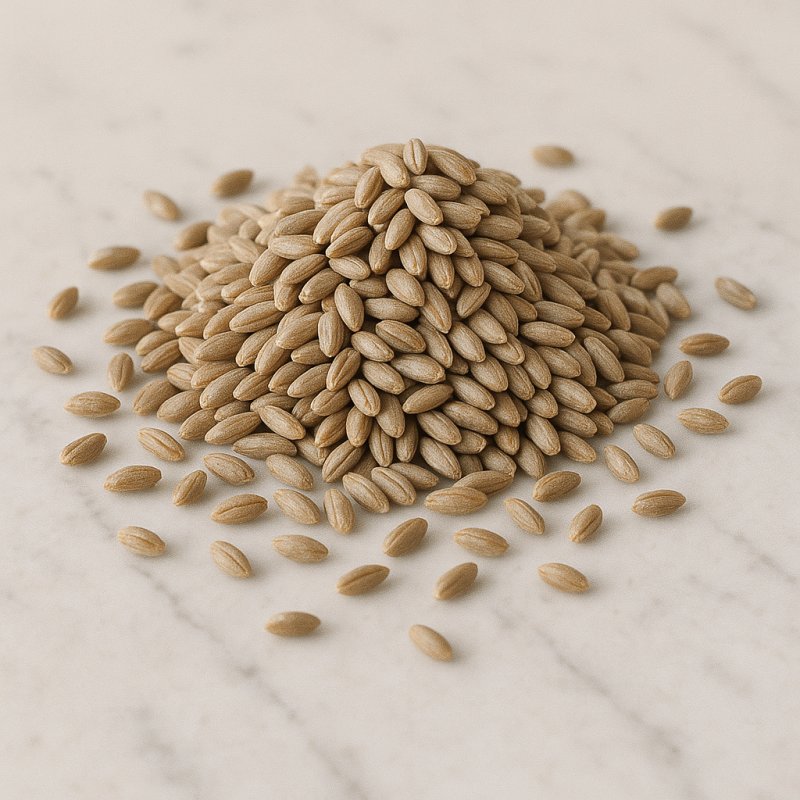
- Rye grain (berries): The whole grain, like a small hard nut. It can be cooked or milled.
- Rye flour: Made from milled grains. There are light and dark flours – the dark contains more outer layers and is therefore “fuller” in flavor. Wholegrain means everything from the grain is used, like eating a whole apple instead of just the juice.
- Rye flakes: Similar to oat flakes, but made from rye. Good for muesli or porridge.
- Cracked rye: Coarsely crushed grains – like coarse flour with small pieces. Good for bread with bite.
- Pumpernickel: A very dark, dense rye bread that is baked slowly. It has a strong, malty flavor.
- Sourdough rye bread: Here “sourdough” is used instead of commercial yeast. Sourdough consists of tiny helpers (yeasts and lactic acid bacteria) that make the dough rise and give it a slightly sour taste.
- Feed or cover-crop varieties: Some rye varieties are not for bread but are grown as animal feed or as cover crops. These help keep the soil healthy.
Where to find rye?
Rye products are available almost everywhere: in supermarkets, health-food stores, bakeries, farmers' markets or online. Organic rye is often available if you want products without pesticides. Fresh rye bread is usually found at the baker's, while flour, flakes and grains keep for a long time if stored cool and dry.
Rye products are available almost everywhere: in supermarkets, health-food stores, bakeries, farmers' markets or online. Organic rye is often available if you want products without pesticides. Fresh rye bread is usually found at the baker's, while flour, flakes and grains keep for a long time if stored cool and dry.
In summary: rye is a robust cereal plant from Europe and Asia that grows particularly well in northern regions. There are many forms – from whole grain to flour and flakes to special breads like pumpernickel or sourdough rye bread. You can find rye in supermarkets, bakeries and health-food stores, and with simple storage it stays fresh for a long time.