Menu & categories

Rye

Robust cereal with a high fiber content and characteristic aroma.

Wiki about rye Nutri-Score B Vegan Yes Gluten-free No Lactose-free Yes Nut-free Yes
NUTRITION / 100 g
338 kcal 10.3 g Protein 75.9 g Kohlenhydrate 1.6 g Fett

Introduction

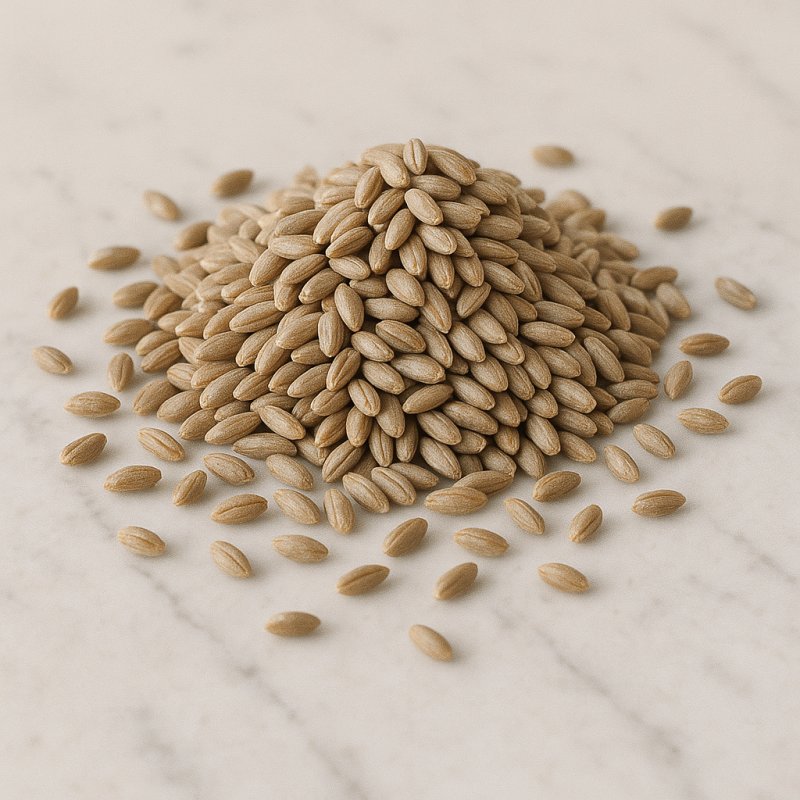
Rye grains

I love rye – not only because it is as reliable as a good friend on a long Sunday at the market, but because it brings a whole world of flavors, textures and stories. I still remember how the first time the robust, slightly sour aroma of a freshly sliced rye bread knocked me out; a colleague of mine dryly remarked: “This is not bread, this is a promise.”

Rye is a cereal that thrives particularly well in cooler, northern regions. It tolerates poor soils and cold better than many other grains, which made it historically so important. On the plate rye shows versatility: from dark, heavy pumpernickel to classic sourdough rye bread, to crispy crispbreads and spicy rye flour in baked goods. Its typical characteristics are an earthy, malty aroma and a dense crumb that stays moist for a long time.

For me rye belongs to everyday life like morning coffee. I enjoy working with sourdough because rye flour unfolds its complexity best there. A small experiment with a friend — an improvised bread swap after a long day — showed me how sourdough and rye together form a deep, slightly sour flavor profile that improves the longer you wait.

  • Taste: malty, slightly sour, earthy
  • Texture: dense, moister crumb; ideal for long-matured breads
  • Uses: rye bread, pumpernickel, crispbread, whiskey and some spirits
  • Nutrients: rich in fiber, minerals and phytochemicals
Rye often requires some patience in baking: acidity and time are its friends. When I serve rye products to guests, I often hear surprised-praising comments, because rye on the plate is so transformable — from savory to a fine dessert base. Feel free to try classic rye bread with a hearty topping or a delicate rye cookie; sometimes it is the unassuming grains that make a meal unforgettable.

Availability & types

Rye is a cereal many people know as bread, flour or flakes. It has a long history and is especially popular in cooler regions because it grows well on poor soils and in harsh weather. In this section I simply explain where rye comes from, where it is grown and which different types and forms you can find in the store or at the market.

Origin and history
Rye originally comes from Eurasia. That means: the plant was cultivated long ago in areas around Europe and Asia. Unlike wheat, rye prefers colder temperatures and less fertile soils. For this reason it became very important particularly in northern countries. You can think of rye as a robust friend that grows where other cereals struggle.

Growing regions

  • Europe: Large amounts of rye are grown in Germany, Poland, Russia and the Baltic countries. It is also common in Scandinavia.
  • North America: Canada and some parts of the USA also grow rye – often in cooler regions.
  • Other regions: In parts of Asia and South America rye is also grown, but much less than in Europe.
What varieties and forms exist?
Rye comes in several forms. Here are the main ones explained simply:

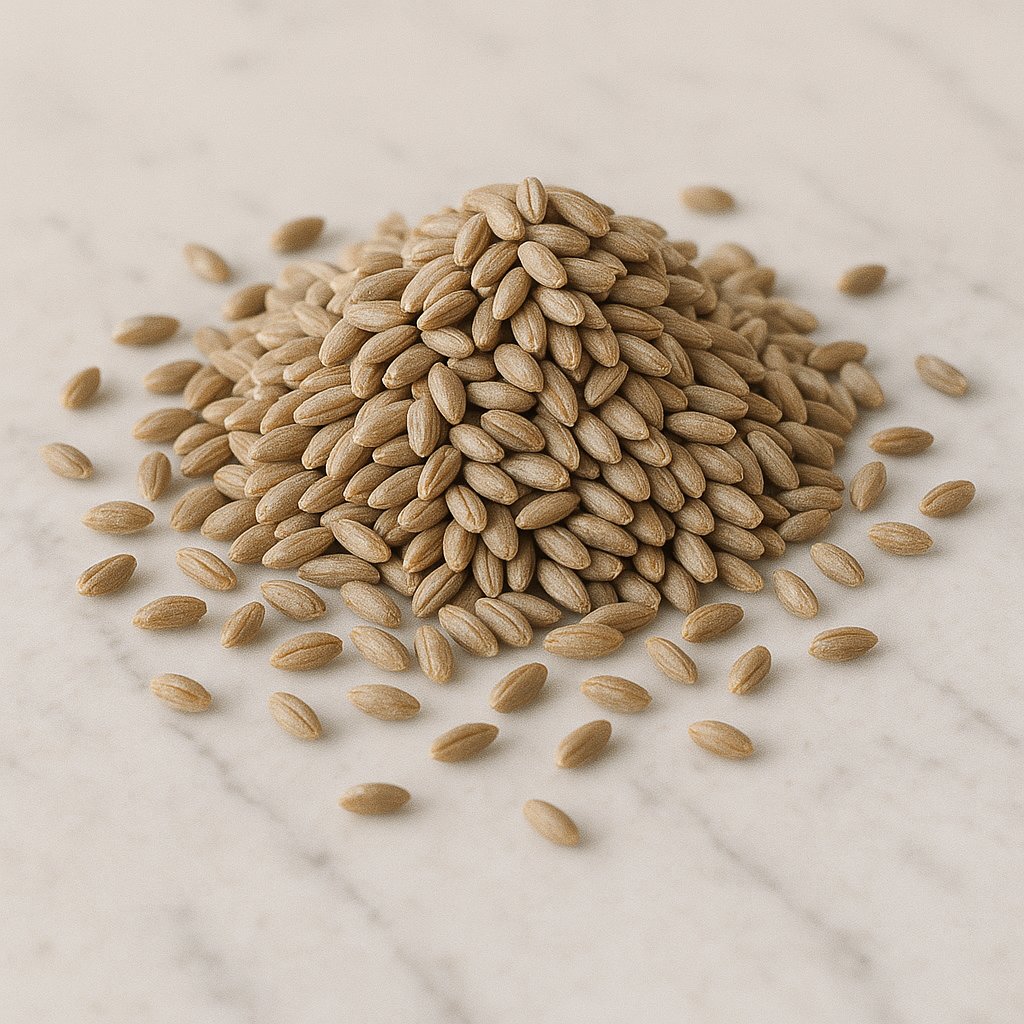
  • Rye grain (berries): The whole grain, like a small hard nut. It can be cooked or milled.
  • Rye flour: Made from milled grains. There are light and dark flours – the dark contains more outer layers and is therefore “fuller” in flavor. Wholegrain means everything from the grain is used, like eating a whole apple instead of just the juice.
  • Rye flakes: Similar to oat flakes, but made from rye. Good for muesli or porridge.
  • Cracked rye: Coarsely crushed grains – like coarse flour with small pieces. Good for bread with bite.
  • Pumpernickel: A very dark, dense rye bread that is baked slowly. It has a strong, malty flavor.
  • Sourdough rye bread: Here “sourdough” is used instead of commercial yeast. Sourdough consists of tiny helpers (yeasts and lactic acid bacteria) that make the dough rise and give it a slightly sour taste.
  • Feed or cover-crop varieties: Some rye varieties are not for bread but are grown as animal feed or as cover crops. These help keep the soil healthy.
Where to find rye?
Rye products are available almost everywhere: in supermarkets, health-food stores, bakeries, farmers' markets or online. Organic rye is often available if you want products without pesticides. Fresh rye bread is usually found at the baker's, while flour, flakes and grains keep for a long time if stored cool and dry.

In summary: rye is a robust cereal plant from Europe and Asia that grows particularly well in northern regions. There are many forms – from whole grain to flour and flakes to special breads like pumpernickel or sourdough rye bread. You can find rye in supermarkets, bakeries and health-food stores, and with simple storage it stays fresh for a long time.
Details & nutrition

Property Value
Unit g
Calories per 100 338
Protein per 100 10.3
Carbohydrates per 100 75.9
Sugar per 100 1.0
Fat per 100 1.6
Saturated fat per 100 0.3
Monounsaturated fat 0.2
Polyunsaturated fat 0.8
Fiber per 100 15.1
Vitamin C (mg) per 100 0.0
Vitamin D (IU) per 100 0
Calcium (mg) per 100 24
Iron (mg) per 100 2.6
Nutri-Score B
CO₂ footprint 0.5 kg CO2e/kg
Origin Germany/EU (depending on cultivation)
Gluten-free No
Lactose-free Yes
Nut-free Yes
Vegan Yes
Note Information refers to rye grain (raw). Values may vary depending on variety and processing (grain, coarse meal, flour).

Technical & scientific information


Rye (Secale cereale) is a cereal in the grass family that is mainly cultivated in northern and temperate climates. It is characterized by high cold tolerance and good cultivation properties on poor soils. Botanically it is an annual crop; the grains are used whole or milled for the production of bread, crispbread, beer and spirits.

Chemical composition and main constituents
Rye grains are composed predominantly of carbohydrates, primarily starch, but also contain substantial amounts of non-starch polysaccharides such as arabinoxylans (pentosans) and fructans (prebiotic oligosaccharides). The main components at a glance:

  • Carbohydrates: 60–70 % (including a portion of resistant starch)
  • Dietary fiber: 12–18 %, with a large fraction of soluble fiber from arabinoxylans
  • Proteins: 8–12 %; rye prolamins are referred to as secalins
  • Fats: 1–3 %, predominantly unsaturated fatty acids
  • Minerals and vitamins: notable amounts of phosphorus, potassium, magnesium, iron and B vitamins, especially thiamine and niacin
  • Other constituents: phenolic compounds, antioxidants and phytic acid as a natural phosphate reserve
Nutritional values (typical per 100 g wholegrain rye): energy about 320–350 kcal, carbohydrates 60–65 g, fiber 12–18 g, protein 8–10 g, fat 1–3 g. Exact values vary by variety and milling grade.

Processing and baking technology
Rye differs technologically from wheat: the high concentration of pentosans affects water absorption and dough viscosity. Rye dough has lower gluten-forming ability due to its specific prolamins; it does not form a strong elastic network like wheat gluten. Therefore classic rye breads often use sourdough and longer fermentation times. Acidification inhibits bacterial and enzymatic amylases, stabilizes dough structure and reduces crumb stickiness.

Health aspects
Wholegrain rye provides abundant dietary fiber that promotes bowel function and helps satiety. In particular, arabinoxylans and fructans are partially fermented in the colon and can positively influence the microbiome composition. Epidemiological studies suggest beneficial effects on glycemic response and the risk of type 2 diabetes, especially with regular consumption of wholegrain products.

At the same time rye contains phytic acid, which can reduce mineral absorption; fermentation and germination reduce phytic content and improve bioavailability. For people with coeliac disease rye is not suitable due to secalin-containing prolamins; individuals with non-coeliac gluten sensitivity may also experience symptoms.

Culinary and industrial uses
Besides traditional rye breads (e.g. pumpernickel, Schwarzbrot), rye flour is used for mixed breads, crispbreads, malts and alcoholic beverages such as rye whiskey. Technological processes include variety cleaning, pearling, setting the milling degree and controlled sourdough management to achieve desired sensory and technological properties.

Research and breeding
Research focuses include improving yields, disease resistance and nutrient profiles as well as reducing antinutritional factors. Biochemical studies on arabinoxylans, fructans and secalins provide insights into baking performance and health effects of rye products.

Overall, rye is a versatile cereal with characteristic technological features and nutritional benefits, especially when wholegrain products are used. Its specific fibers and fermentation requirements make rye a distinct ingredient with particular applications in the kitchen and food technology.

Wiki entry for: rye
Active now: 24 visitors of which 2 logged-in members in the last 5 minutes