Availability and types
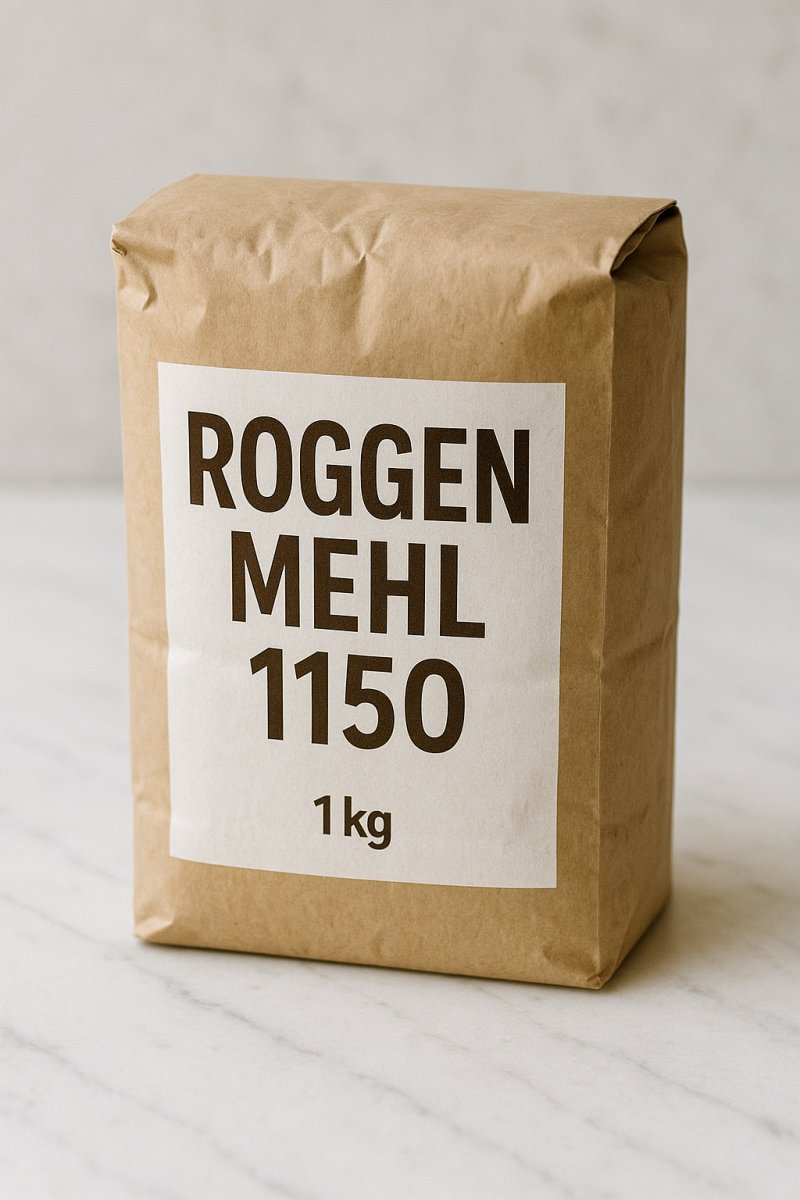
Rye flour 1150 is easy to find in many bakeries, supermarkets and health food stores. The number “1150” describes how much mineral content is in the flour – the higher the number, the more bran parts of the grain remain. You can imagine it like different types of apple juice: clear juice is fine and light, direct-pressed juice has more fruit content and tastes stronger. Rye flour 1150 lies somewhere in between: it is noticeably darker and more flavorful than very light flour, but not as coarse as wholegrain.
Origin and growing regions
Rye grows best in cooler regions with less fertile soils, which is why it is particularly popular in Northern Europe. Well-known growing areas include:
Rye grows best in cooler regions with less fertile soils, which is why it is particularly popular in Northern Europe. Well-known growing areas include:
- Central Europe, especially Germany and Poland – where a lot of rye bread is eaten.
- Scandinavia (Sweden, Denmark) – cold and windy, good for rye.
- Parts of North America and Russia – there are also large rye-growing areas there.
Rye is hardy: it can thrive on soils where wheat performs less well. That makes it attractive for farmers in cooler or sandy regions. The grains are milled after harvest, producing, for example, rye flour 1150.
Available types and variants
Even though the number “1150” sounds precise, there are different variants and similar products. Here are the main ones so you can understand the difference well:
Even though the number “1150” sounds precise, there are different variants and similar products. Here are the main ones so you can understand the difference well:
- Rye flour 1150 (Type 1150): the typical flour with this designation. It still contains many minerals and fibers. It is ideal for robust rye breads and mixed breads.
- Wholegrain rye: this flour contains the whole grain, so even more fiber and nutrients than 1150. It is darker and has a very hearty taste.
- Rye flour 997 or 815: these types are lighter than 1150. They are suitable if you want a slightly lighter rye bread or light breads with a rye portion.
- Coarse meal and cracked rye: these are coarsely ground grains. They are often mixed into flour or added to bread to obtain a coarse, nutty texture.
- Organic rye flour: rye grown without chemical pesticides or fertilizers. For people who value ecological farming.
In many shops you will find rye flour 1150 in packages of different sizes – from small 500 g packs for home use to large 2–5 kg bags for frequent bakers. Some bakeries and mills also offer freshly milled rye flour, which can be more aromatic because it has been stored for less time.
For children as an image: imagine rye flour 1150 is like a homemade hot cocoa that is not as fine as instant powder, but not as coarse as chocolate shavings – it has exactly the right mix of flavor and body. This middle form makes it versatile in the kitchen and explains why rye flour 1150 is used in many breads and recipes.
In summary: rye flour 1150 is readily available, often comes from cooler regions of Europe, and there are different variants – from lighter types to robust wholegrain or organic rye. This way everyone can choose the right type for their bread or baked goods.
