Menu & categories

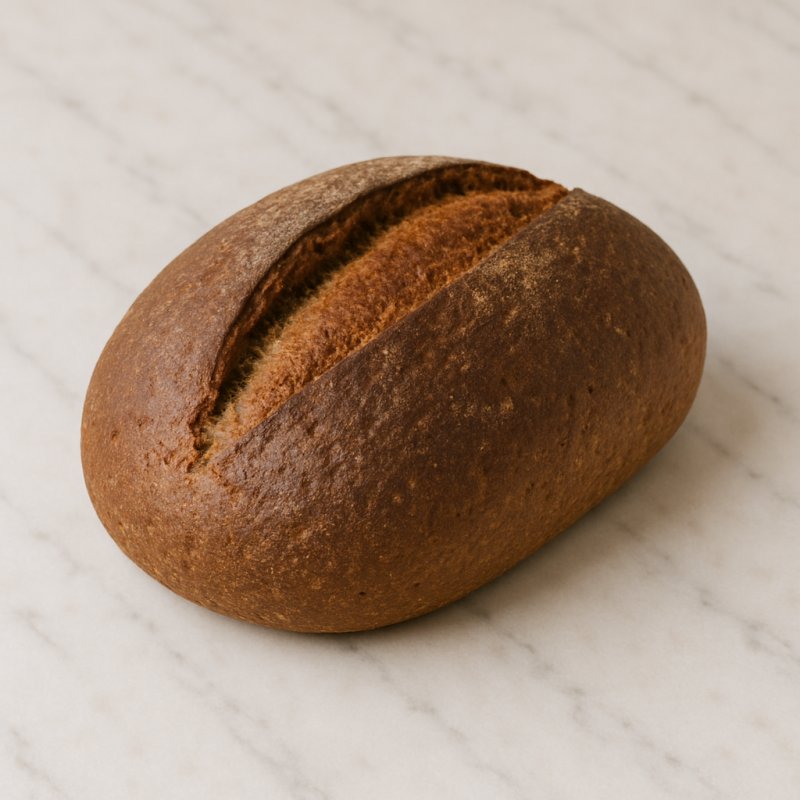
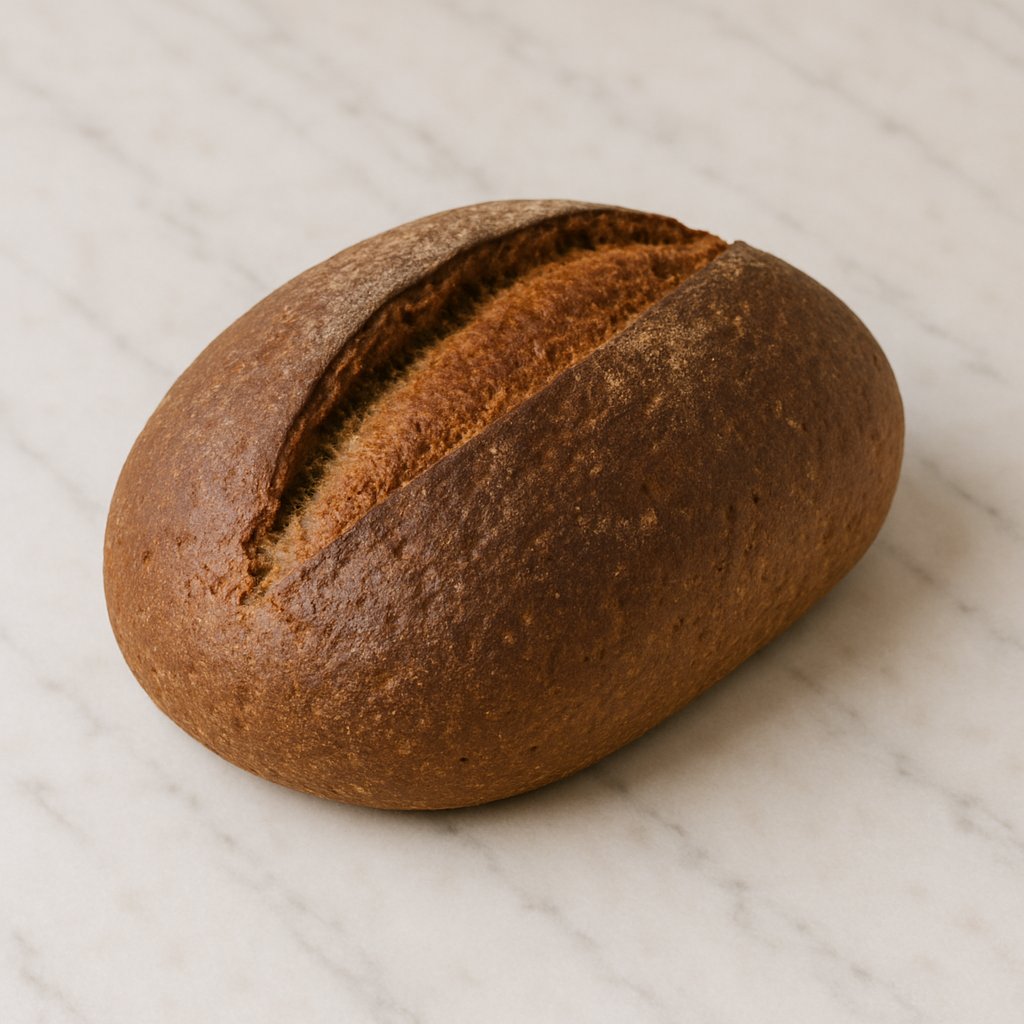
Rye bread

Hearty bread made from rye flour with a high fiber content

Wiki about rye bread Nutri-Score B Vegan Yes Gluten-free No Lactose-free Yes Nut-free Yes
NUTRITION / 100 g
210 kcal 6.0 g Protein 42.0 g Kohlenhydrate 1.5 g Fett

Introduction

Slices of rye bread on a wooden board
I love rye bread. Even as a child the scent of freshly baked bread attracted me like magic, but I only learned to appreciate rye's special depth later. It has that dark, slightly sour note that other breads don't reach, and for me it's more than just food: it's culture, history and a piece of home on the plate.

I still remember a rainy autumn morning when a colleague brought a pack of rye bread and we tried it together with butter and cheese. The bread was dense, moist and had a crust that crackled when sliced. We stood in the tea kitchen joking about how a simple bread could transform an entire lunch break. Such small moments explain why rye bread is passed down in many family recipes for generations.

Rye has some characteristics that make it special:

  • Taste: A pronounced, slightly sour aroma that pairs well with strong toppings.
  • Texture: Dense and moist, often with a firm crumb and a sturdy crust.
  • Shelf life: Rye breads stay fresh longer because the crumb retains moisture better.
Baking with rye is more demanding than with wheat. Once I tried to bake a mixed loaf with a high rye content and was surprised how much hydration and the flour ratio influenced the result. An experienced baker helped me find the right balance between sourdough management and baking time. Afterwards I felt as if I had uncovered a small bread secret.

In the kitchen I use rye bread in many ways: as a rustic base for sandwiches, in flavorful bread crumbs for braised dishes or simply toasted with jam. Its strong flavor complements smoked salt, aged cheese and pickled vegetables particularly well. A friend once recommended that I try thin slices of rye bread with butter and freshly ground pepper — simple, but surprisingly good.

Rye bread tells stories: of peasant bakeries, long fermentations and the hands that shape it. For me it's a comfort on cold days, a flavor surprise at a picnic and a unifying element at shared meals. Every time I slice a piece, I think of the many little moments when bread became a celebration.

Availability & types

Availability and types of rye bread

Rye bread is a popular bread made from rye flour. Rye is a cereal that grows particularly well in cooler regions. You can imagine it as a tougher, more angular sister of wheat: both belong to the same cereal family, but rye copes better with harsher climates.

Origin and growing areas
Rye originally comes from Europe and Western Asia. Today it is mainly grown in northern and eastern parts of Europe, for example in Germany, Poland, Russia, Scandinavia and the Baltic states. In these regions the climate is often cooler and more humid, which rye prefers. While wheat depends on warm summers, rye grows even on poor, less fertile soils. That is why rye was and is an important staple food in many regions.

Available varieties and variants
Rye bread comes in many different shapes and flavors. Here are some typical variants explained simply:

  • Wholegrain rye bread: This bread is made from the whole grain milled. That means all parts of the grain — bran, germ and endosperm — remain in the bread. It is darker, more filling and contains many fibers. You can compare it to the idea of a wholegrain cereal bar: hearty and nutritious.
  • Rye mixed bread: A mixture of rye and wheat flour. This is very common because it makes the bread lighter and many people find the taste pleasant. One could say: it is a mix of strong rye character and the soft bite of wheat.
  • Pumpernickel: A very dark and often very dense rye bread that is baked slowly. It became known historically in Westphalia (Germany) and tastes slightly sweet due to the long baking time. You can compare it to a dense, savory cake — only without sugar as a main ingredient.
  • Sourdough rye bread: Rye bread is often baked with sourdough. Sourdough is a "good" starter made from water and flour in which natural bacteria and yeasts work. It gives the bread a slightly sour taste and makes the crumb more durable. Sourdough is like a small living team that gives the bread more flavor and better shelf life.
  • Toast and breakfast variants: There are also soft rye breads that are good for toasting or serving at breakfast. They are usually a bit lighter and less intense in flavor so they go well with butter, cheese or jam.
Regional particularities
In different countries rye bread has its own traditions: in Germany many bread types contain rye, in Poland you often find round or long loaves with a strong flavor, and in Scandinavia there are also thinner, dark rye breads that keep for a long time. This variety arises because bakers in each area developed their own recipes and baking methods.

Availability in everyday life
Rye bread is easy to find in bakeries, supermarkets and weekly markets. Some large supermarkets carry different brands and types, while bakeries often offer fresh, regional variants. If you are looking for something specific — for example pumpernickel or a dark wholegrain loaf — it's worth asking the baker or checking the label for the "rye content." The higher the proportion of rye flour, the stronger the taste.

Overall, rye bread is very versatile: from firm, dark loaves to soft mixed breads, with regional particularities and good availability — a bread that has been appreciated for centuries in many countries.
Details & nutrition

Property Value
Unit g
Average weight per piece 50
Calories per 100 210
Protein per 100 6.0
Carbohydrates per 100 42.0
Sugar per 100 2.0
Fat per 100 1.5
Saturated fat per 100 0.2
Monounsaturated fat 0.2
Polyunsaturated fat 0.8
Fiber per 100 8.0
Vitamin C (mg) per 100 0
Vitamin D (IU) per 100 0
Calcium (mg) per 100 40
Iron (mg) per 100 2.0
Nutri-Score B
CO₂ footprint 0.5
Origin Europe
Gluten-free No
Lactose-free Yes
Nut-free Yes
Vegan Yes
Note Nutritional values for an average rye bread made from rye flour and sourdough; values may vary slightly depending on the recipe.

Technical & scientific information

Rye bread is a traditional baked product whose main ingredient is rye flour, obtained from the kernels of Secale cereale. Unlike wheat bread, the higher proportion of rye gluten and the specific composition of starch, fiber and enzymes determine the physical and sensory properties of the bread. Rye contains relatively little of the elastic gluten proteins characteristic of wheat (gliadin and glutenin); instead, prolamin-like proteins called secalin dominate and behave differently: they do not form a strong extensible network, which results in a denser crumb and requires a different dough management.

Chemical composition and constituents
The rye kernel consists of endosperm, germ and bran, and the flour—depending on the degree of extraction—contains varying amounts of fiber, minerals and vitamins. Typical constituents are:

  • Carbohydrates: Mainly starch (amylose and amylopectin) and soluble and insoluble non-starch polysaccharides such as arabinoxylans, which strongly influence water binding and dough viscosity.
  • Proteins: Primarily secalin, with lower elasticity than wheat gluten; protein content is usually between 8 and 12%.
  • Dietary fiber: Rye has a high content of cellulose, hemicelluloses and particularly arabinoxylan fibers, which have beneficial effects on gut health.
  • Fats: In smaller amounts, mainly unsaturated fatty acids, concentrated in the germ.
  • Minerals and vitamins: Rye provides magnesium, iron, zinc, B vitamins (notably niacin, thiamine) and secondary plant compounds such as phytic acid.
Nutritional values
Values vary with flour type and recipe. On average, rye bread provides per 100 g about 230–260 kcal, 8–10 g protein, 1–3 g fat, 40–50 g carbohydrates and 5–8 g fiber. The high fiber content leads to a lower glycemic index compared to many white breads, resulting in a slower release of glucose.

Processing methods
The production of rye bread requires a different dough management than wheat breads. Because of the lower gluten elasticity the following aspects are crucial:

  • Sourdough fermentation: Traditionally rye dough is often fermented with sourdough (lactic and acetic acid bacteria plus yeasts). Acidification stabilizes the dough structure, modifies enzyme activity (e.g. inhibition of some α‑amylases) and improves aroma and shelf life.
  • Dough consistency: Rye doughs are wetter and stickier; mechanical or manual handling should be gentle to avoid damaging the structure.
  • Baking process: Longer resting times and specific steam and temperature profiles promote volume development despite limited gas retention.
Physiological and health aspects
Rye bread is often recommended for its nutritional benefits. The fibers, particularly arabinoxylans, promote intestinal motility and can moderate the postprandial blood glucose response. Sourdough fermentation partially reduces phytic acid, improves mineral availability and can increase digestibility. Epidemiological studies also show that wholegrain rye products are associated with a reduced risk of type 2 diabetes and certain cardiovascular risk factors.

Allergens and intolerances
Rye contains proteins that can trigger allergic reactions in sensitive individuals, though less frequently than wheat allergies. Regarding celiac disease, rye is gluten-containing due to its related prolamin gluten (secalin) and is therefore unsuitable for affected individuals. People with non-celiac gluten sensitivity should also be cautious.

Microbiology and shelf life
Sourdough and the baking process reduce microbial risk; nevertheless moisture, acidity and porosity influence mold growth and starch retrogradation, i.e. aging and drying behavior. Wholegrain and rye breads often retain freshness longer because of their higher moisture and fat content, but they still require appropriate storage.

In summary, rye bread is a complex product from a nutritional and technological perspective. It is characterized by a specific composition that requires particular processing steps such as sourdough management, and it offers health benefits due to its high fiber content and improved mineral availability after fermentation. At the same time, rye is not suitable for people with celiac disease or certain allergies, so the choice of bread type should be adapted to individual needs.

Wiki entry for: rye bread
Active now: 11 visitors of which 2 logged-in members in the last 5 minutes