Availability and types of rye bread
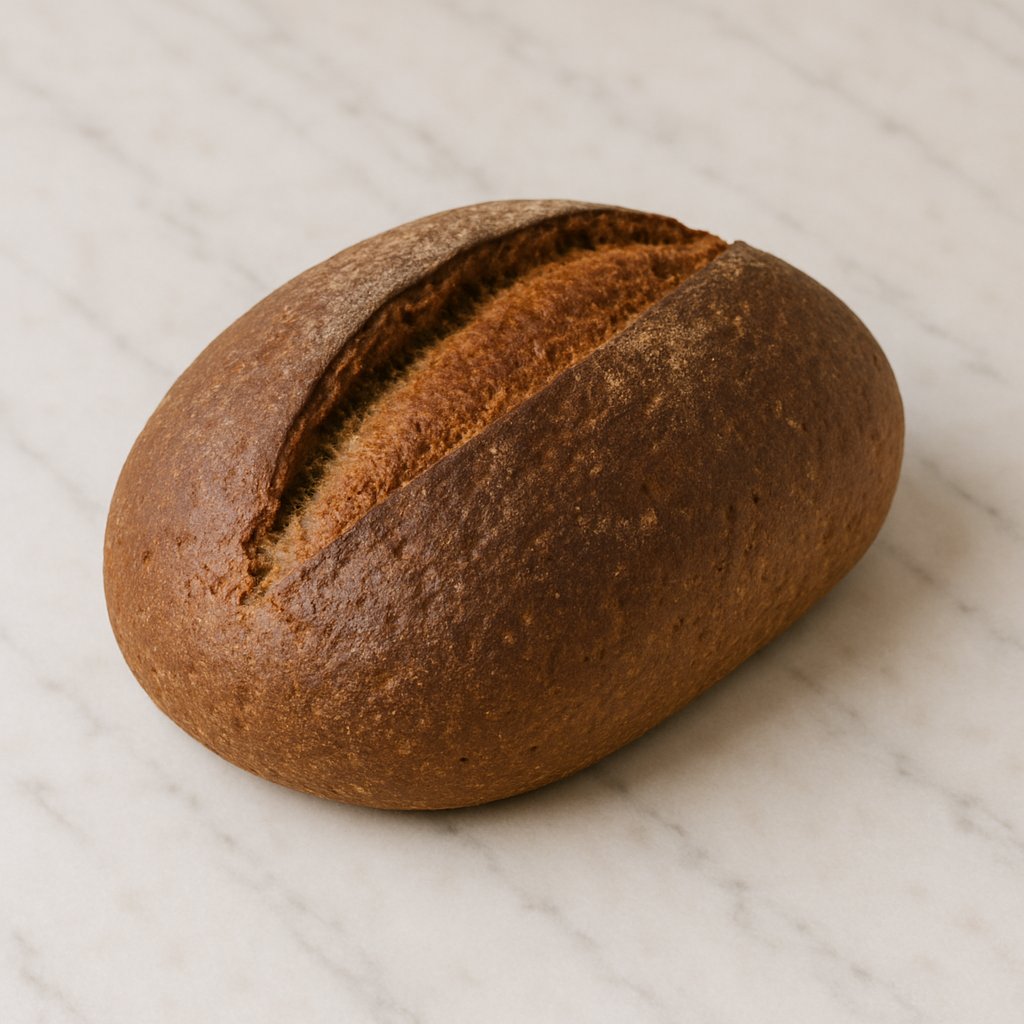
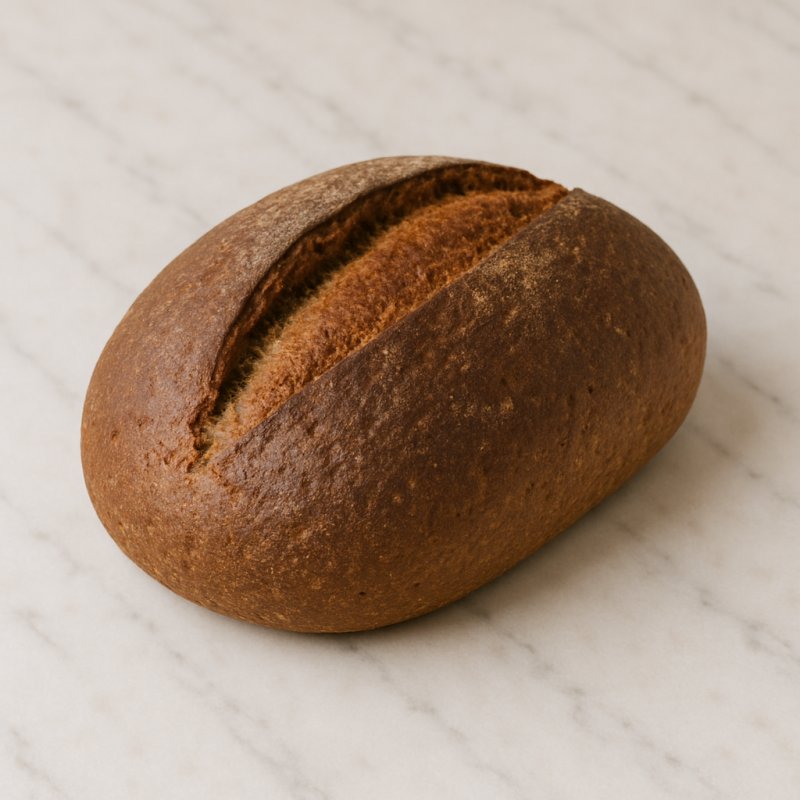
Rye bread is a popular bread made from rye flour. Rye is a cereal that grows particularly well in cooler regions. You can imagine it as a tougher, more angular sister of wheat: both belong to the same cereal family, but rye copes better with harsher climates.
Origin and growing areas
Rye originally comes from Europe and Western Asia. Today it is mainly grown in northern and eastern parts of Europe, for example in Germany, Poland, Russia, Scandinavia and the Baltic states. In these regions the climate is often cooler and more humid, which rye prefers. While wheat depends on warm summers, rye grows even on poor, less fertile soils. That is why rye was and is an important staple food in many regions.
Rye originally comes from Europe and Western Asia. Today it is mainly grown in northern and eastern parts of Europe, for example in Germany, Poland, Russia, Scandinavia and the Baltic states. In these regions the climate is often cooler and more humid, which rye prefers. While wheat depends on warm summers, rye grows even on poor, less fertile soils. That is why rye was and is an important staple food in many regions.
Available varieties and variants
Rye bread comes in many different shapes and flavors. Here are some typical variants explained simply:
Rye bread comes in many different shapes and flavors. Here are some typical variants explained simply:
- Wholegrain rye bread: This bread is made from the whole grain milled. That means all parts of the grain — bran, germ and endosperm — remain in the bread. It is darker, more filling and contains many fibers. You can compare it to the idea of a wholegrain cereal bar: hearty and nutritious.
- Rye mixed bread: A mixture of rye and wheat flour. This is very common because it makes the bread lighter and many people find the taste pleasant. One could say: it is a mix of strong rye character and the soft bite of wheat.
- Pumpernickel: A very dark and often very dense rye bread that is baked slowly. It became known historically in Westphalia (Germany) and tastes slightly sweet due to the long baking time. You can compare it to a dense, savory cake — only without sugar as a main ingredient.
- Sourdough rye bread: Rye bread is often baked with sourdough. Sourdough is a "good" starter made from water and flour in which natural bacteria and yeasts work. It gives the bread a slightly sour taste and makes the crumb more durable. Sourdough is like a small living team that gives the bread more flavor and better shelf life.
- Toast and breakfast variants: There are also soft rye breads that are good for toasting or serving at breakfast. They are usually a bit lighter and less intense in flavor so they go well with butter, cheese or jam.
Regional particularities
In different countries rye bread has its own traditions: in Germany many bread types contain rye, in Poland you often find round or long loaves with a strong flavor, and in Scandinavia there are also thinner, dark rye breads that keep for a long time. This variety arises because bakers in each area developed their own recipes and baking methods.
In different countries rye bread has its own traditions: in Germany many bread types contain rye, in Poland you often find round or long loaves with a strong flavor, and in Scandinavia there are also thinner, dark rye breads that keep for a long time. This variety arises because bakers in each area developed their own recipes and baking methods.
Availability in everyday life
Rye bread is easy to find in bakeries, supermarkets and weekly markets. Some large supermarkets carry different brands and types, while bakeries often offer fresh, regional variants. If you are looking for something specific — for example pumpernickel or a dark wholegrain loaf — it's worth asking the baker or checking the label for the "rye content." The higher the proportion of rye flour, the stronger the taste.
Rye bread is easy to find in bakeries, supermarkets and weekly markets. Some large supermarkets carry different brands and types, while bakeries often offer fresh, regional variants. If you are looking for something specific — for example pumpernickel or a dark wholegrain loaf — it's worth asking the baker or checking the label for the "rye content." The higher the proportion of rye flour, the stronger the taste.
Overall, rye bread is very versatile: from firm, dark loaves to soft mixed breads, with regional particularities and good availability — a bread that has been appreciated for centuries in many countries.