Menu & categories

Black bread

Hearty wholegrain bread for any occasion

Wiki about rye bread Nutri-Score B Vegan Yes Gluten-free No Lactose-free Yes Nut-free Yes
NUTRITION / 100 g
250 kcal 9 g Protein 45 g Kohlenhydrate 4 g Fett

Introduction

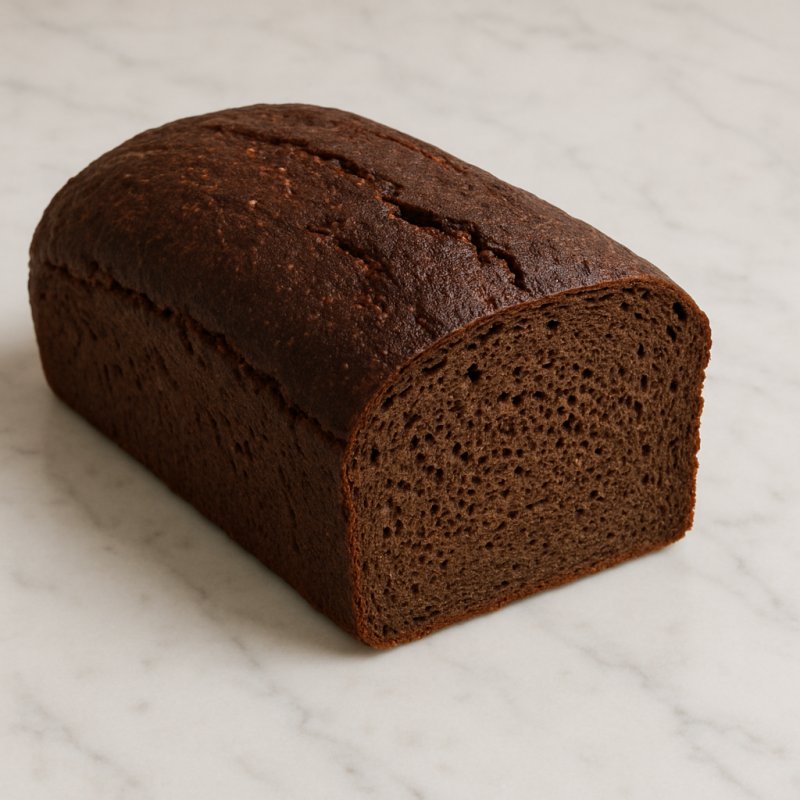
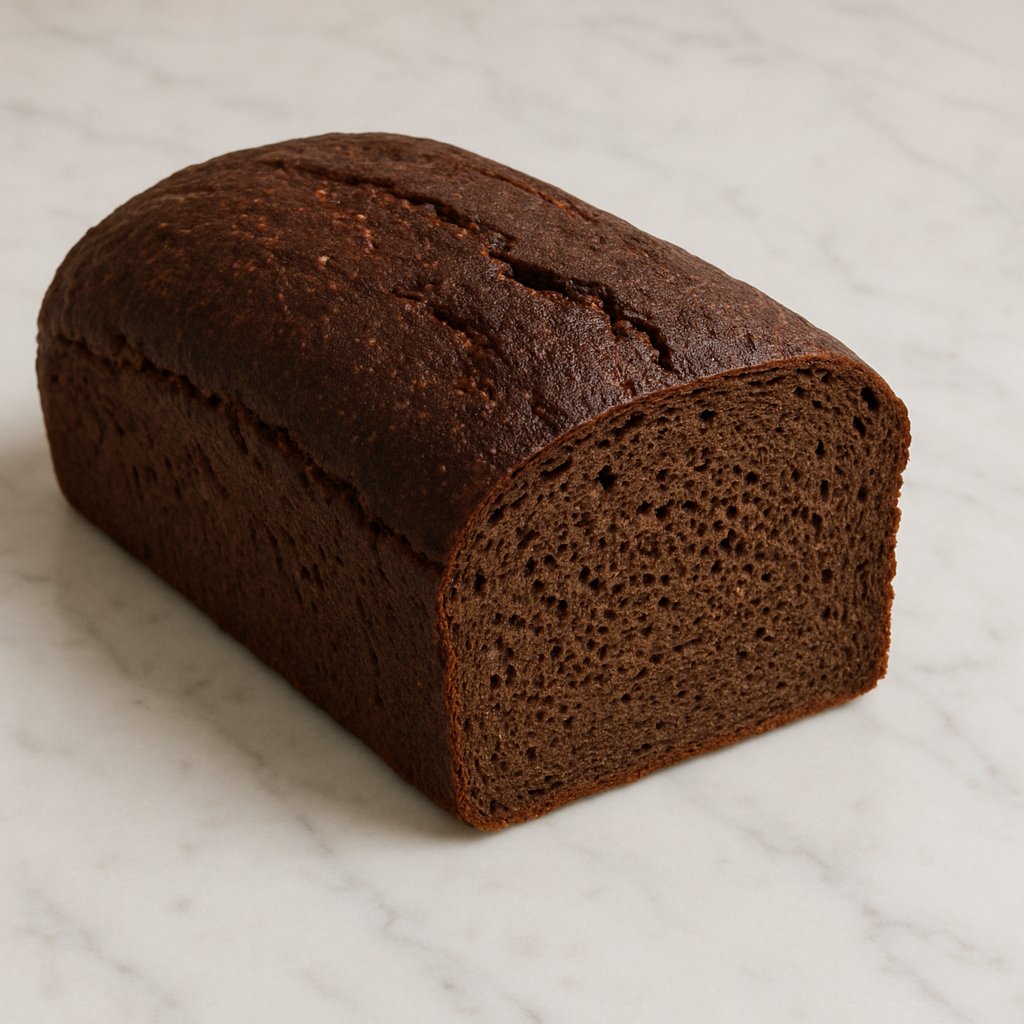
A loaf of black bread on a wooden board
I still clearly remember the first slice of black bread I ever ate. It was on a rainy Sunday morning in a small, charming bakery in a town known for its artisanal baking. The smell of freshly baked bread was in the air, and I couldn't resist treating myself to a thick slice of this dark, hearty bread. When I bit into it, I was immediately delighted by the dense, crumbly texture and the nutty aroma. For me, that was the moment I discovered my love for black bread.

Black bread is not just any bread; it is a true piece of cultural heritage. In many European countries, especially Germany and the Scandinavian countries, it has a long tradition. The dark color usually comes from rye flour, which develops its characteristic flavors through long fermentation and baking at high temperatures. When it comes to preparation, there are countless variations and regional differences. I could talk for hours about the different recipes I've tried – from rustic, crunchy farmhouse loaves to softer variants that are perfect for a hearty breakfast.

  • Healthful: Black bread is not only delicious but also healthy. It contains many fibers, vitamins and minerals that are good for digestion.
  • Highly versatile: Whether as a side to a hearty stew, as a base for a sandwich, or simply with some butter and jam – the uses are nearly endless.
  • Sustainable: Many bakers use local ingredients and traditional baking techniques, making black bread an environmentally friendly choice.
A colleague of mine once tried to bake his own black bread. He was so confident in his skills that he invited us all to a "bread day." The kitchen was a complete mess of flour and water, and when the bread finally came out of the oven, it didn't look perfect, but the taste was simply heavenly. That experience showed me that baking black bread is not only an art but also a lovely way to bring people together.

So black bread is not only a staple food but also an experience. It tells stories, brings people together, and is a wonderful base for many delicious dishes. The next time I enjoy a slice of black bread, I will not only think of the taste but also of the many memories associated with it.

Availability & types

Black bread is a popular type of bread eaten around the world. It is especially well known in Germany and other European countries. But what exactly makes black bread so special and where does it come from? Let's take a look!

Origin: Black bread has a long history that goes back to the Middle Ages. At that time it was a staple food for many people. It was often made from rye or a mixture of rye and wheat. Rye is a cereal that grows well in cooler climates. That makes it ideal for countries like Germany, where temperatures are often not too warm.

Growing regions: The main growing regions for rye, the most important grain for black bread, are in Europe. Especially in countries like:

  • Germany
  • Austria
  • Switzerland
  • Poland
  • Scandinavia
In these countries there are many farmers who grow rye. They plant the seeds in autumn, and in spring the plants grow. In summer the rye ears ripen and can be harvested.

Available types: Black bread comes in many different varieties. Each region has its specialties. Here are some well-known variants:

  • Rye bread: The classic black bread, made mainly from rye flour. It has a strong flavor and a dark color.
  • Whole grain bread: This bread is made from the whole grain, which means it contains many nutrients. It is particularly healthy!
  • Black bread with seeds: Various seeds like sunflower seeds or flax seeds are added. This makes the bread even crunchier and gives it a special taste.
  • Bread with spices: In some regions black bread is refined with spices such as caraway or fennel. This gives the bread a unique flavor.
Variants: In addition to the types mentioned above, there are special recipes for black bread in different countries. For example:

  • Swabian black bread: This bread is somewhat sweeter and often has a special spice mix.
  • North German black bread: Here the bread is often very firm and is commonly served with fish dishes.
Black bread therefore has many faces. It can vary slightly depending on where you are and what ingredients are available. The nice thing is that there is something for every taste. Whether you eat it plain, with butter, or maybe even with jam – black bread is versatile!

In summary, black bread plays an important role in many cultures. It is not only tasty but also healthy, as it contains many fibers and is good for digestion. And the best part is: you can find black bread in many different varieties and flavors.
Details & nutrition

Property Value
Unit g
Average weight per piece 300
Calories per 100 250
Protein per 100 9
Carbohydrates per 100 45
Sugar per 100 2
Fat per 100 4
Saturated fat per 100 0.5
Monounsaturated fat 1
Polyunsaturated fat 1
Fiber per 100 8
Vitamin C (mg) per 100 0
Vitamin D (IU) per 100 0
Calcium (mg) per 100 30
Iron (mg) per 100 2.5
Nutri-Score B
CO₂ footprint 1.2
Origin Germany
Gluten-free No
Lactose-free Yes
Nut-free Yes
Vegan Yes
Note Black bread is rich in fiber and ideal for a healthy diet.

Technical & scientific information

Black bread

Chemical composition
The chemical composition of black bread varies depending on the recipe and ingredients used. In general it consists of:


  • Rye flour: The main component, which is rich in fiber, particularly soluble and insoluble fiber. Rye flour also contains proteins, vitamins (such as B1, B2 and niacin) and minerals (such as magnesium, iron and zinc).
  • Water: Essential for dough formation and activation of yeast or sourdough.
  • Salt: Improves flavor and acts as a preservative.
  • Yeast or sourdough: These fermentation agents are crucial for the rising of the bread and the development of the typical aroma.
Nutritional values
Black bread is known for its high nutrient content. Per 100 grams it typically contains:

  • Calories: approx. 250-300 kcal
  • Protein: 8-10 g
  • Carbohydrates: 40-50 g, of which about 8-10 g are sugars.
  • Fat: 2-5 g, with the majority being unsaturated fatty acids.
  • Fiber: 6-8 g, which contributes to digestive health.
Processing methods
The production of black bread takes place in several steps:

  • Flour mixture: Rye flour is mixed with water, salt and yeast or sourdough.
  • Kneading: The dough is kneaded to develop the gluten structure.
  • Fermentation: The dough rests to allow the yeast or sourdough to activate, which leads to gas formation.
  • Baking: The bread is baked at low temperatures, which develops the characteristic crust and aroma.
Health aspects
Black bread is not only nutrient-rich but also offers various health benefits:

  • Promotes digestion: The high fiber content supports gut health and can help prevent constipation.
  • Blood sugar regulation: The slow digestibility of the carbohydrates can help keep blood sugar levels stable.
Wiki entry for: rye bread
Active now: 15 visitors of which 2 logged-in members in the last 5 minutes