Menu & categories

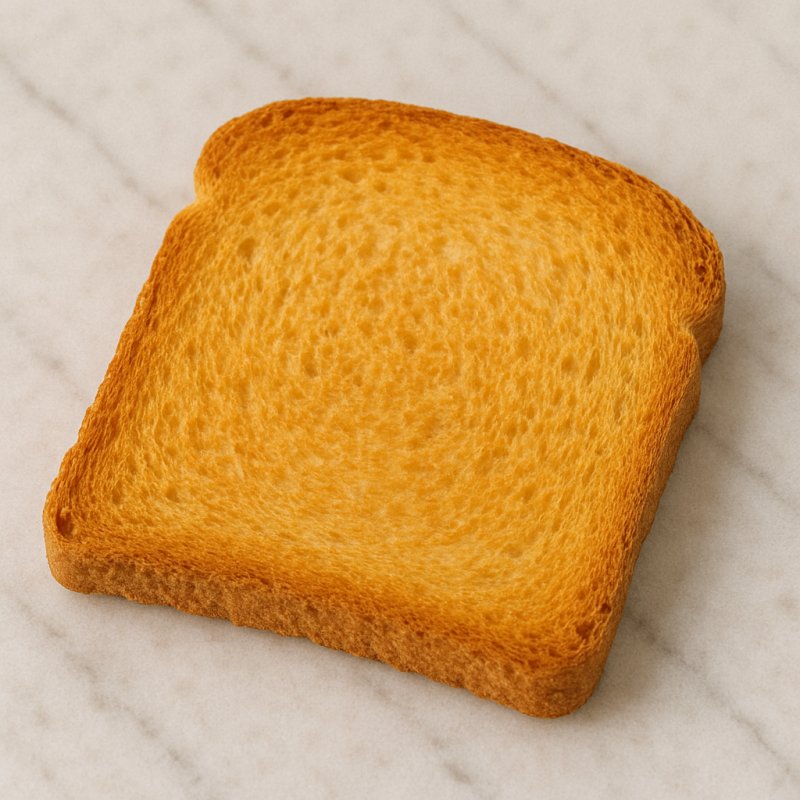
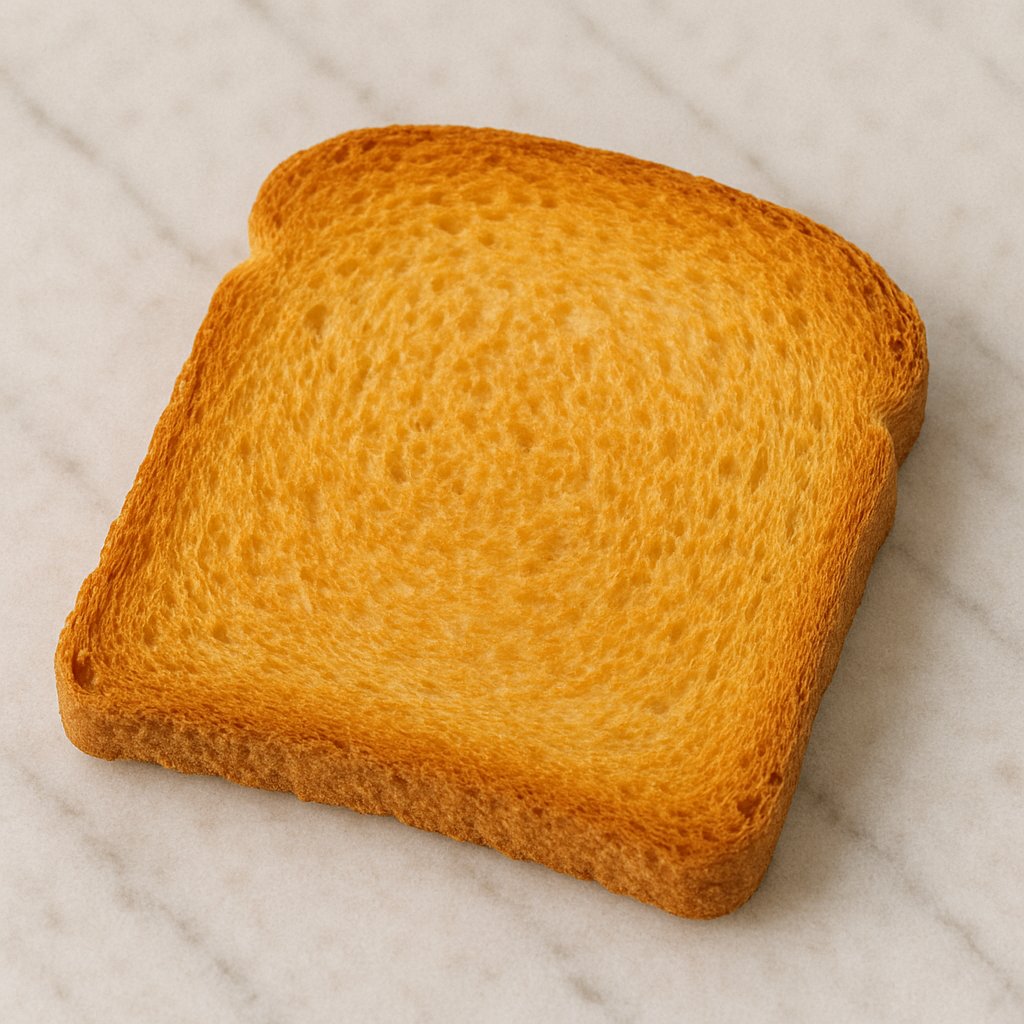
Rusk

Crisp toasted wheat pastry with a mildly sweet taste

Wiki about rusk Nutri-Score D Vegan No Gluten-free No Lactose-free No Nut-free Yes
NUTRITION / 100 g
410 kcal 11 g Protein 76 g Kohlenhydrate 6 g Fett

Introduction

Several slices of rusk on a plate
I still clearly remember the smell of the rusk coming from the display cabinet of my childhood kitchen: dry, buttery and somehow comforting. For me rusk is more than just a baked good; it is a culinary chameleon that, depending on the context, can transform from baby food to travel provisions to refined desserts. There is always a bag ready in my kitchen, not out of necessity, but out of anticipation for the small culinary surprises it can bring.

The first time I consciously used rusk in a recipe was in an improvised tiramisu when the base was about to run out. A colleague of mine laughed at first, but the result was so crunchy and aromatic that he has been making the recipe for guests ever since. Rusk provides a special texture: it stays crisp longer than fresh bread and at the same time absorbs flavors very evenly. For this reason it is excellent for breadcrumb variations, as a base for breaded meat dishes or for crunchy toppings.

What distinguishes rusk


  • Baked twice for special shelf life and crispness.
  • Neutral, slightly sweet taste that pairs well with sweet and savory notes.
  • Great versatility: from a baby's first puree experiment to an elegant dessert crust.
I like rusk especially because it combines memories and pragmatism. Once on an outing I only took a tin of rusk because the cooler bag failed; in the end it became an improvised fondue with honey and lemon that surprised everyone. My friends also appreciate rusk because it is surprisingly long-lasting and can be found in many stores across Europe.

When I use rusk in recipes, I pay attention to quality: a fine buttery note and few additives make the difference. You can bake it yourself by toasting slices of bread twice, or rely on established brands. For experiments I recommend briefly dipping rusk in milk or espresso before processing further – that way it stays moist without becoming soggy.

In the end rusk for me is a small culinary wonder: inconspicuous, resilient and full of possibilities. It is a companion for simple days and creative evenings in the kitchen, and I am pleased every time an old biscuit becomes the star of a new dish again.

Availability & types

Availability and types of rusk

Rusk is a crunchy baked product that many people can find in the supermarket. Although it is not fresh fruit or vegetables, it still has an “origin”: rusk is made from very simple ingredients – flour, water, yeast, sometimes sugar, milk or butter. These ingredients mostly come from cereal fields and farms. Flour is the most important of these and is obtained from cereal grains like wheat or spelt. You can imagine that rusk is produced much like baking bread first and then baking it again until it is completely dry and crunchy.

Where the ingredients come from
The main ingredient, flour, is grown in many countries. In Europe, major growing regions for wheat and spelt include Germany, France, Poland and Russia. In warmer regions of the world other cereal types are cultivated. Milk comes from cows on farms, butter is made from it, and yeast is a tiny helper that makes the dough light. All these ingredients are brought to bakeries or factories where rusk is baked. That's why you can buy rusk in almost every supermarket or store: the ingredients come from large growing areas and are readily available.

Available types and variants
Rusk is not available in only one variety. Manufacturers have developed different versions to suit every taste. Here is a simple list of the most common types:

  • classic rusk – the simple, slightly sweet rusk often given to babies or elderly people because it soaks up moisture well.
  • whole grain or multigrain rusk – this contains more of the whole grain hull, which provides fiber. It tastes somewhat heartier but is “healthier” in terms of more nutrients.
  • rusk with butter or milk – these variants are usually somewhat richer in flavor because dairy products are used.
  • sugared or honey-flavored varieties – for those who like it sweeter; often popular as a snack.
  • savory or salty variants – rarer, but sometimes there are rusks with herbs or cheese flavor.
  • baby rusk – extra small and usually without salt or sugar so that babies can eat it safely.
  • gluten-free rusk alternatives – for people who cannot eat wheat, variants are made from gluten-free flours like rice or corn.
How easy is it to get rusk?
Rusk is very easy to obtain. You can find it in supermarkets, drugstores, organic shops and sometimes in bakeries. In various packages: in large bulk packs, small portions or as a single snack. Because rusk has a long shelf life, it can also remain in the pantry for a long time – it's like crispbread that you only open when you want to eat it.

A simple picture to remember
Imagine baking a normal loaf of bread first – that is soft. If you slice it and bake the slices again until they are dry and crunchy, you have rusk. That is exactly why rusk lasts so long: it contains hardly any water left that could otherwise mold. There are many varieties for different tastes, and because the ingredients are grown widely, rusk is almost always readily available.
Details & nutrition

Property Value
Unit g
Average weight per piece 10
Calories per 100 410
Protein per 100 11
Carbohydrates per 100 76
Sugar per 100 14
Fat per 100 6
Saturated fat per 100 1
Monounsaturated fat 3
Polyunsaturated fat 2
Fiber per 100 3
Vitamin C (mg) per 100 0
Vitamin D (IU) per 100 0
Calcium (mg) per 100 40
Iron (mg) per 100 3
Nutri-Score D
CO₂ footprint 1.2
Origin Europe
Gluten-free No
Lactose-free No
Nut-free Yes
Vegan No
Note Nutritional values for commercially available wheat rusk with added sugar; exact values may vary slightly depending on brand and recipe.

Technical & scientific information

Rusk is a twice-baked white bread in slice form that, through a specific baking process, achieves very low moisture and long shelf life. Traditionally rusk consists of simple basic ingredients such as wheat flour, water, sugar, yeast and salt; fats (butter or vegetable oil), milk or eggs are often also added to influence flavor, texture and nutritional value. The name comes from the double baking: a first loaf is baked, sliced and then baked or dried again, which makes the crust particularly crisp and the interior fully dried.

Chemical composition and constituents
The main components of rusk are carbohydrates (predominantly starch), proteins (gluten from wheat) and lipids (depending on the recipe from butter or oil). Starch typically makes up 60–70% of the dry mass, and through baking and drying a high proportion of resistant starch is formed, which is less well broken down in the small intestine. Protein content generally ranges from 7 to 10% of the fresh mass depending on flour type. Fats in commercial variants are present in small amounts (2–6%) but can be higher in enriched recipes. Minerals such as sodium, potassium and traces of magnesium and iron are present, as well as B vitamins from the flour; recipes enriched with milk or eggs increase the content of vitamin B12, calcium and fat-soluble vitamins.

Nutritional values (typical values per 100 g)

  • Calories: 350–420 kcal
  • Carbohydrates: 70–80 g (of which sugars usually 5–15 g)
  • Protein: 7–9 g
  • Fat: 2–6 g
  • Fiber: 2–4 g
Processing methods
Industrial production follows clear process steps: dough preparation, initial baking into loaves, cooling, mechanical slicing and secondary baking or hot-air drying at controlled temperature and humidity. The secondary baking is decisive because it reduces the product's residual moisture to usually below 5%, inhibiting microbial activity and extending shelf life. Temperature profiles and ventilation are controlled so that Maillard reactions on the surface produce roasting and aroma compounds without making the product too dark or brittle.

Physical and sensory properties
Rusk is characterized by low water activity (aw), typically below 0.5, which prevents the growth of most bacteria and molds. The texture is porous and crunchy; the bite is determined by the cellular structure of gelatinized starch and the networked gluten protein. Aroma arises from thermal reactions such as Maillard and caramelization processes as well as from ingredients like butter or milk.

Health aspects
Due to the low moisture content rusk is a hygienically unproblematic product with long shelf life. For sensitive digestion or as a first food after gastrointestinal disorders, rusk is often recommended because it provides easily digestible carbohydrates and is gentle on the stomach. From a nutritional standpoint, however, rusk is relatively energy-dense with low levels of vitamins and fiber compared to wholegrain products. People with celiac disease or wheat allergy must switch to gluten-free alternatives. Also, sugar-containing recipes can increase the glycemic index, which is relevant for diabetics.

Nutritional modifications
Manufacturers and bakers vary recipes to improve nutritional properties: wholegrain rusk increases fiber and micronutrients, fortified variants add vitamins and minerals, and low-sugar or reduced-fat recipes lower energy density and rapid blood sugar rise. Technologically, enzymes, hydrocolloids or protein modifiers can be used to maintain texture and structure despite reduced ingredients.

In summary, rusk is a technically simple but process-optimized bakery product with characteristic physical dryness, notable shelf life, easy digestibility and a variety of recipe variations. Its nutritional profile is primarily carbohydrate-based but can be deliberately improved through appropriate flour choice and additives.

Wiki entry for: rusk
Active now: 14 visitors of which 2 logged-in members in the last 5 minutes