Menu & categories

Ribbon noodles

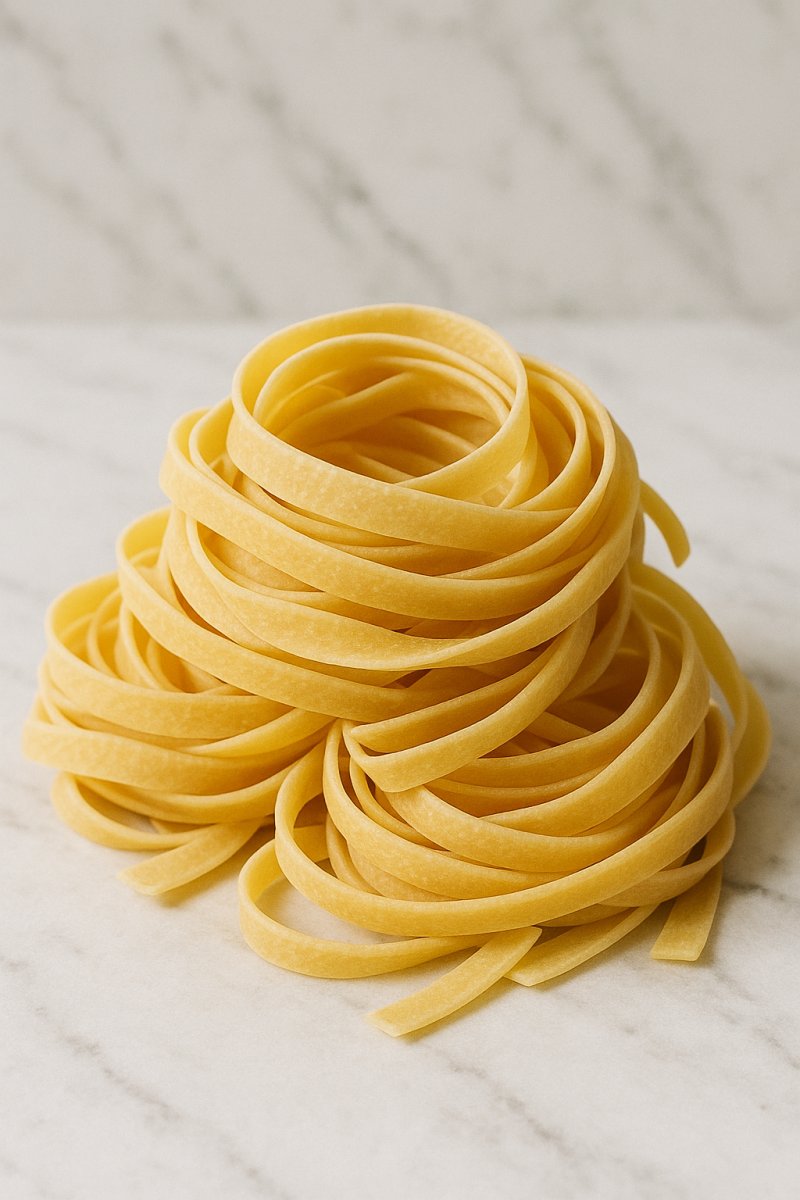
Wide noodles made from durum wheat semolina, classic for pasta dishes

Wiki about ribbon pasta Nutri-Score C Vegan Yes Gluten-free No Lactose-free Yes Nut-free Yes
NUTRITION / 100 g
360 kcal 12 g Protein 72 g Kohlenhydrate 2 g Fett

Introduction

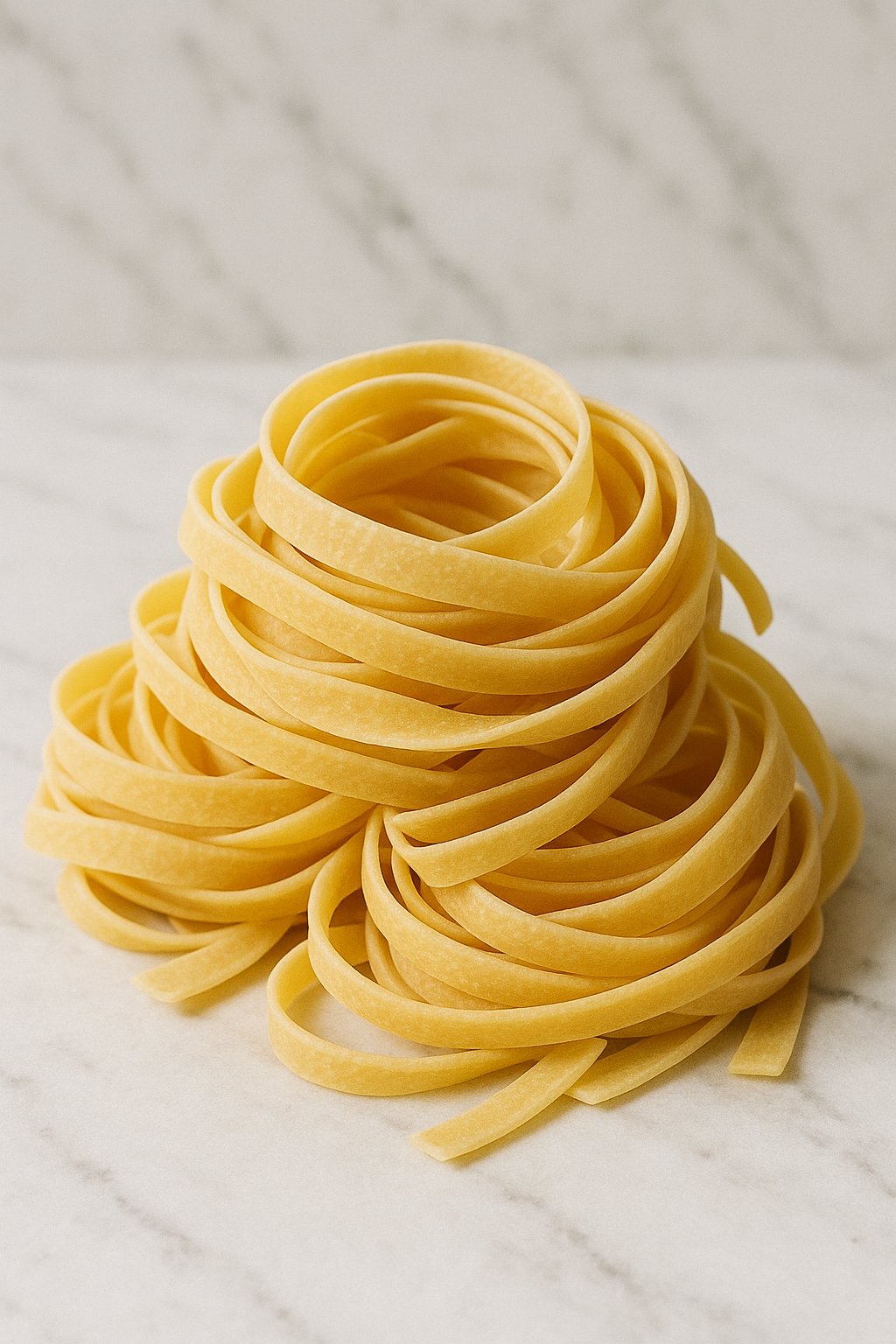
Dried ribbon noodles made from durum wheat semolina
I have a weakness for ribbon noodles that runs as deep as the memory of a long-ago summer trip. Ribbon noodles are for me more than just a pasta: they are an uncomplicated companion in the kitchen that achieves a big effect with few ingredients. I still remember a rainy afternoon when I rolled out improvised ribbon noodles with a friend in a small holiday flat and laughed until the dough stuck – moments like that connect taste with feeling.

Ribbon noodles are characterized by their flat, wide shape, which soaks up sauces wonderfully and adds texture to the dish. Whether freshly hand-pulled or from a package, their versatility is impressive. I always keep a few portions in my pantry because they are quick and suit a wide range of recipes:

  • with a simple tomato sauce for quick evenings;
  • in creamy mushroom ragouts when I want to surprise guests;
  • as a base for a hearty cream sauce with ham and peas;
  • or briefly tossed in butter with lots of freshly grated Parmesan.
I like that ribbon noodles can seem both rustic and elegant. A colleague of mine swears by homemade ribbon noodles as the ultimate comfort food after long days of travel. I share that opinion, because nothing comforts like steaming pasta on the plate. In addition, ribbon noodles store well and are a reliable companion for spontaneous cooking moods.

When preparing them I pay attention to two things: first the texture – al dente is not a dogma but a small act of courtesy toward the bite; second the sauce, which determines the character of the dish. A strongly seasoned ragù demands wide ribbon noodles, while delicate herb butter harmonizes better with thinner varieties. My favorite combinations often arise from what's in the refrigerator, and that makes ribbon noodles an ideal everyday hero.

In the end ribbon noodles are for me a little celebration in everyday life – uncomplicated, versatile and always ready to create memories. Every forkful tells a story, and I love reinventing it again and again.

Availability & types

Availability and types of ribbon noodles

Ribbon noodles are long, flat noodles that can be found in many supermarkets, small shops and markets. They are so popular because they cook quickly and go well with various sauces. You can buy them fresh, that is directly in the refrigerated section, or dried in the dry pasta aisle. Fresh ribbon noodles feel soft and flexible and only need a short cooking time. Dried ribbon noodles are long-lasting and become soft again with hot water.

Origin and cultivation areas
The main ingredient of ordinary ribbon noodles is flour from cereals, usually wheat. Wheat grows in fields in many countries: in Europe, North America, Russia and parts of Asia. In Italy, the country often associated with pasta, ribbon noodles are also produced a lot, but the raw materials can also come from other countries. There are also ribbon noodles made from durum wheat (this is a harder grain often used for pasta), and these often come from warmer regions such as southern Europe or North Africa. For special varieties other plants are grown, for example rice for rice noodles or buckwheat for buckwheat noodles. These plants need different soils and climates, so they grow in different places around the world.

Available varieties and variants
Ribbon noodles come in many variants. Here are the most important, explained simply:

  • Wheat noodles (fresh or dried): The common variety many people know. They are soft and suit cream, tomato or herb sauces.
  • Durum wheat semolina noodles (pasta): These are a bit firmer and are often offered as traditional pasta. They hold their shape well when cooked.
  • Whole grain ribbon noodles: These contain the whole grain, including the bran. They are browner and have more fiber, which is good for digestion. For some they taste more 'nutty'.
  • Egg noodles: Here egg is added to the dough. That makes the noodles yellower and often more supple. Many home cooks and restaurants use egg noodles for special dishes.
  • Gluten-free variants: For people who do not tolerate gluten there are ribbon noodles made from rice, corn, buckwheat or legumes like chickpeas. These sometimes look different, but can be just as tasty.
  • Healthy or special variants: You can also find noodles with vegetable content, like spinach or tomato ribbon noodles. These have some color and sometimes a slight taste of the vegetable.
Tips for selection and storage
When you buy ribbon noodles, check whether you want fresh or dried noodles. Fresh ones must be kept in the refrigerator and are only durable for a few days. Dried noodles you can store in the pantry for a long time. Pay attention to the label for special needs (e.g. no gluten); it states what the noodles are made of. If you try new varieties, imagine which sauce might go with them: thick, creamy sauces prefer wide ribbon noodles because they cling to them better.

In summary, ribbon noodles are very versatile: they are made from flours of various cereals, are produced in many parts of the world and are available in numerous variants — from classic wheat noodles to gluten-free or vegetable-rich varieties. So almost everyone can find the ribbon noodle that suits their taste and needs.
Details & nutrition

Property Value
Unit g
Calories per 100 360
Protein per 100 12
Carbohydrates per 100 72
Sugar per 100 3
Fat per 100 2
Saturated fat per 100 0.4
Monounsaturated fat 0.3
Polyunsaturated fat 0.8
Fiber per 100 3
Vitamin C (mg) per 100 0
Vitamin D (IU) per 100 0
Calcium (mg) per 100 20
Iron (mg) per 100 1.3
Nutri-Score C
CO₂ footprint 1.7 kg CO2e/kg
Origin Mostly made from European durum wheat
Gluten-free No
Lactose-free Yes
Nut-free Yes
Vegan Yes
Note Nutritional values for dried ribbon pasta made from durum wheat semolina without egg; for egg ribbon pasta, also note allergen egg (3).

Technical & scientific information

Ribbon noodles are a form of fresh or dried pasta characterized by their flat, wide ribbons. Traditionally they are made from a simple dough of flour and water or flour and eggs; variation in ingredients, width and thickness determines texture and intended use. Ribbon noodles belong to the group of egg- and durum semolina-based products, while in home cooking wheat flour type 405 or 550 or durum wheat semolina (semola) is usually used.

Composition and ingredients. Chemically, ribbon noodles mainly consist of carbohydrates in the form of starch (amylose and amylopectin), wheat proteins (especially the gluten proteins gliadin and glutenin), water and small amounts of lipids, minerals and vitamins. In egg ribbon noodles the egg yolk increases the content of lipids, cholesterol, fat-soluble vitamins (A, D, E) and essential amino acids. Durum semolina-based ribbon noodles contain, due to the higher protein content of durum wheat, generally more gluten and a firmer texture after cooking.

Nutritional values (typical values per 100 g, dry). Ribbon noodles provide mainly energy from carbohydrates (approx. 70–75 g), contain proteins (approx. 10–15 g) and small amounts of fat (approx. 1–6 g, higher in egg doughs). Fiber content varies depending on the use of wholegrain flours (approx. 3–10 g). Minerals such as potassium, magnesium, iron and B vitamins are present in moderate amounts, while wholegrain variants show significantly higher micronutrient levels.

Production and processing steps. The production of ribbon noodles includes several technical steps:

  • Mixing: Flour, water and optionally eggs and salt are homogenized, forming gluten strands.
  • Kneading: Mechanical work shapes the protein network; intensity and duration influence elasticity and cooking properties.
  • Rolling and cutting: The dough is rolled into thin sheets and cut into strips; width and thickness are set mechanically or manually.
  • Drying (for dried pasta): Gentle drying reduces water activity and stabilizes the product; temperature and humidity profiles influence structure and shelf life.
  • Cooking: During cooking the starch swells, proteins partially denature and the gluten network forms the characteristic bite resistance ('al dente').
Physical and chemical processes during cooking. During cooking the starch granules gelatinize, with water penetrating the amorphous and crystalline regions and increasing the dough's viscosity. Amylose can partially leach from the granule, making the surface stickier. Gluten proteins cross-link through hydration and heat, determining elasticity and chewiness of the noodles. Cooking loss consists of soluble carbohydrates and proteins leached into the cooking water; this value is an indicator of pasta quality.

Nutritional and health aspects. Ribbon noodles are an energy-dense carbohydrate source and are suitable for providing rapidly available glucose. For people with celiac disease or gluten intolerance classic ribbon noodles are unsuitable; however, there are gluten-free alternatives made from rice, corn, buckwheat or legumes. Wholegrain ribbon noodles offer, due to higher fiber content, benefits for gut health and a slower rise in blood glucose. Egg-containing variants provide additional protein and micronutrients, but can be problematic in cases of allergies.

Storage, shelf life and food safety. Dried ribbon noodles are long-lasting due to reduced water activity and should be stored in a cool, dry and light-protected place. Fresh ribbon noodles have higher water contents and are more susceptible to microbial spoilage; they are stored refrigerated or processed fresh. Hygienic production and adequate drying are important to minimize the risk of mold and bacterial growth.

In summary ribbon noodles are a versatile and technically well-understood food whose properties strongly depend on raw material selection, dough handling and processing. By varying ingredients and processes both sensory and nutritional properties can be controlled, adapting the product to different dietary situations and culinary requirements.

Wiki entry for: ribbon pasta
Active now: 17 visitors of which 2 logged-in members in the last 5 minutes