Availability and types of ribbon noodles
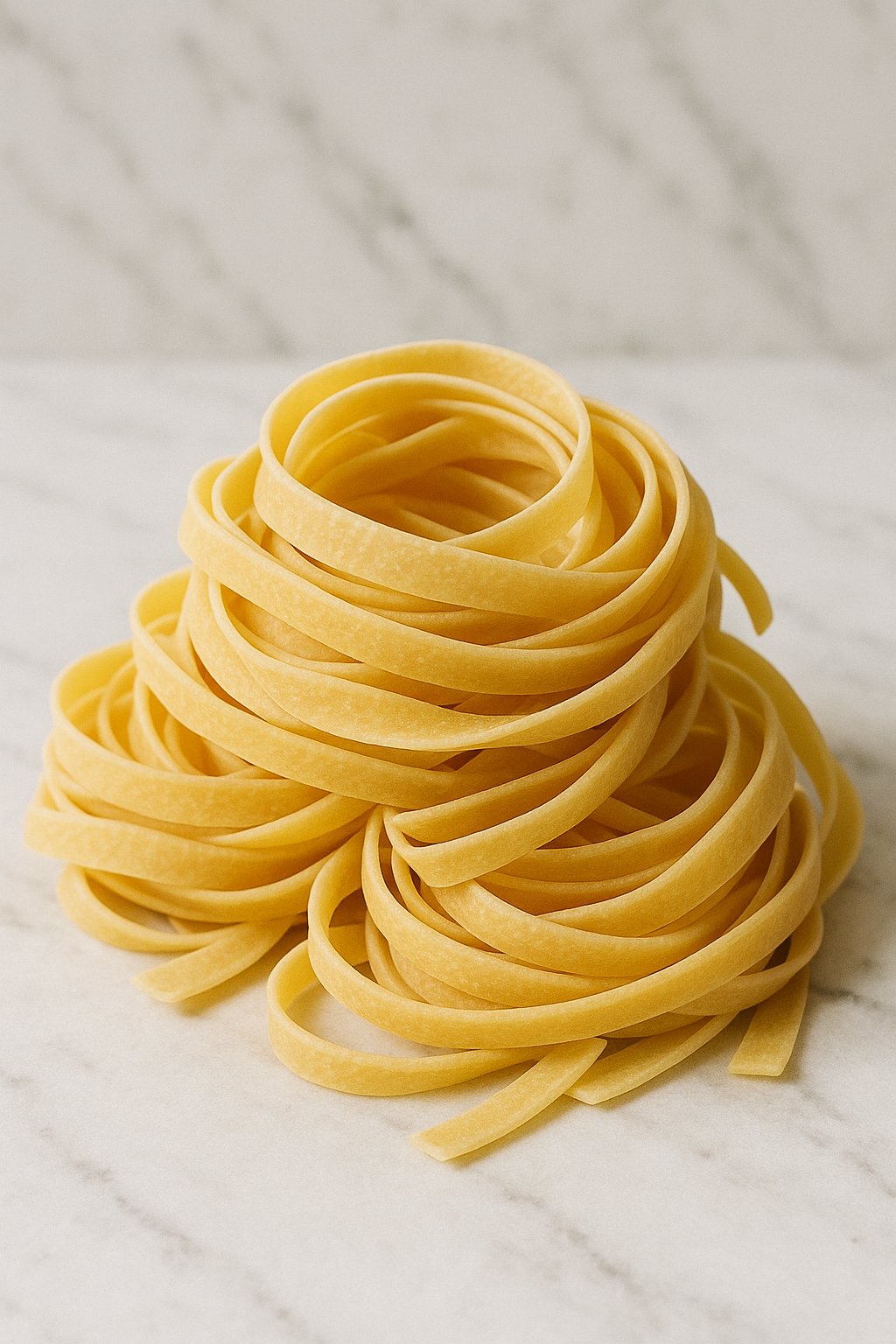
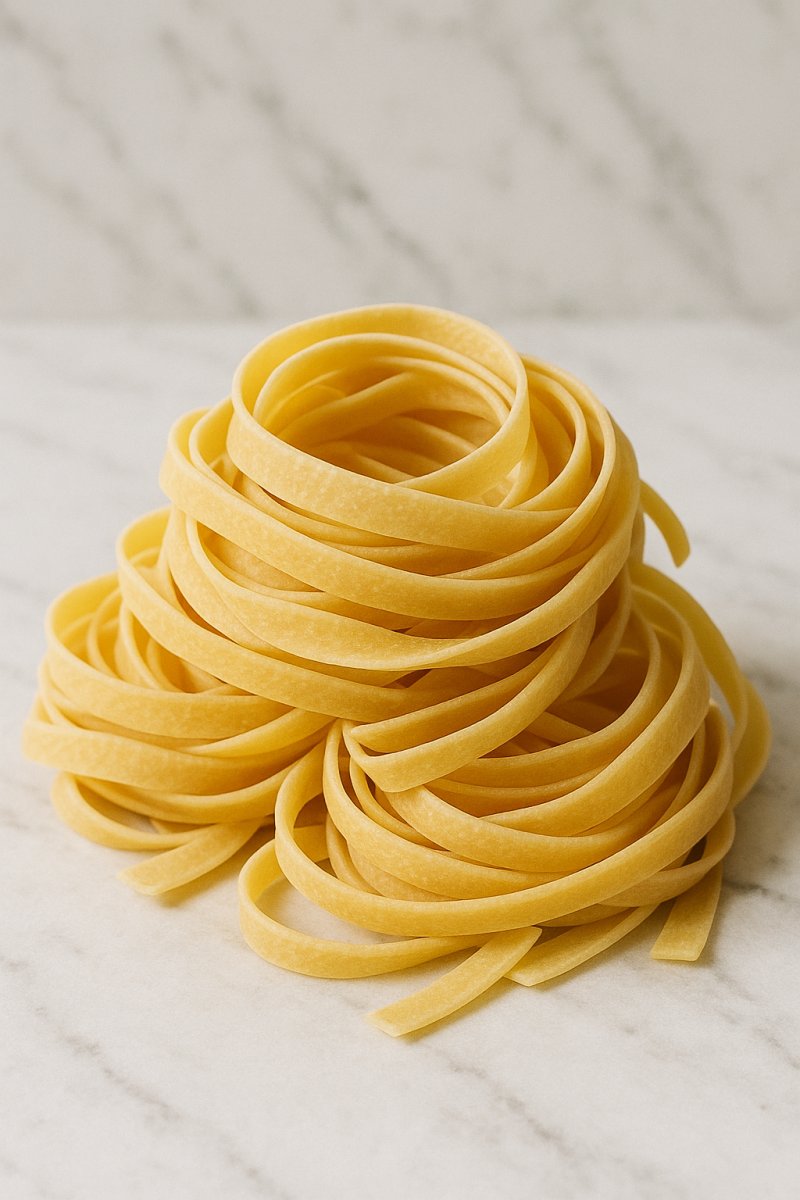
Ribbon noodles are long, flat noodles that can be found in many supermarkets, small shops and markets. They are so popular because they cook quickly and go well with various sauces. You can buy them fresh, that is directly in the refrigerated section, or dried in the dry pasta aisle. Fresh ribbon noodles feel soft and flexible and only need a short cooking time. Dried ribbon noodles are long-lasting and become soft again with hot water.
Origin and cultivation areas
The main ingredient of ordinary ribbon noodles is flour from cereals, usually wheat. Wheat grows in fields in many countries: in Europe, North America, Russia and parts of Asia. In Italy, the country often associated with pasta, ribbon noodles are also produced a lot, but the raw materials can also come from other countries. There are also ribbon noodles made from durum wheat (this is a harder grain often used for pasta), and these often come from warmer regions such as southern Europe or North Africa. For special varieties other plants are grown, for example rice for rice noodles or buckwheat for buckwheat noodles. These plants need different soils and climates, so they grow in different places around the world.
The main ingredient of ordinary ribbon noodles is flour from cereals, usually wheat. Wheat grows in fields in many countries: in Europe, North America, Russia and parts of Asia. In Italy, the country often associated with pasta, ribbon noodles are also produced a lot, but the raw materials can also come from other countries. There are also ribbon noodles made from durum wheat (this is a harder grain often used for pasta), and these often come from warmer regions such as southern Europe or North Africa. For special varieties other plants are grown, for example rice for rice noodles or buckwheat for buckwheat noodles. These plants need different soils and climates, so they grow in different places around the world.
Available varieties and variants
Ribbon noodles come in many variants. Here are the most important, explained simply:
Ribbon noodles come in many variants. Here are the most important, explained simply:
- Wheat noodles (fresh or dried): The common variety many people know. They are soft and suit cream, tomato or herb sauces.
- Durum wheat semolina noodles (pasta): These are a bit firmer and are often offered as traditional pasta. They hold their shape well when cooked.
- Whole grain ribbon noodles: These contain the whole grain, including the bran. They are browner and have more fiber, which is good for digestion. For some they taste more 'nutty'.
- Egg noodles: Here egg is added to the dough. That makes the noodles yellower and often more supple. Many home cooks and restaurants use egg noodles for special dishes.
- Gluten-free variants: For people who do not tolerate gluten there are ribbon noodles made from rice, corn, buckwheat or legumes like chickpeas. These sometimes look different, but can be just as tasty.
- Healthy or special variants: You can also find noodles with vegetable content, like spinach or tomato ribbon noodles. These have some color and sometimes a slight taste of the vegetable.
Tips for selection and storage
When you buy ribbon noodles, check whether you want fresh or dried noodles. Fresh ones must be kept in the refrigerator and are only durable for a few days. Dried noodles you can store in the pantry for a long time. Pay attention to the label for special needs (e.g. no gluten); it states what the noodles are made of. If you try new varieties, imagine which sauce might go with them: thick, creamy sauces prefer wide ribbon noodles because they cling to them better.
When you buy ribbon noodles, check whether you want fresh or dried noodles. Fresh ones must be kept in the refrigerator and are only durable for a few days. Dried noodles you can store in the pantry for a long time. Pay attention to the label for special needs (e.g. no gluten); it states what the noodles are made of. If you try new varieties, imagine which sauce might go with them: thick, creamy sauces prefer wide ribbon noodles because they cling to them better.
In summary, ribbon noodles are very versatile: they are made from flours of various cereals, are produced in many parts of the world and are available in numerous variants — from classic wheat noodles to gluten-free or vegetable-rich varieties. So almost everyone can find the ribbon noodle that suits their taste and needs.