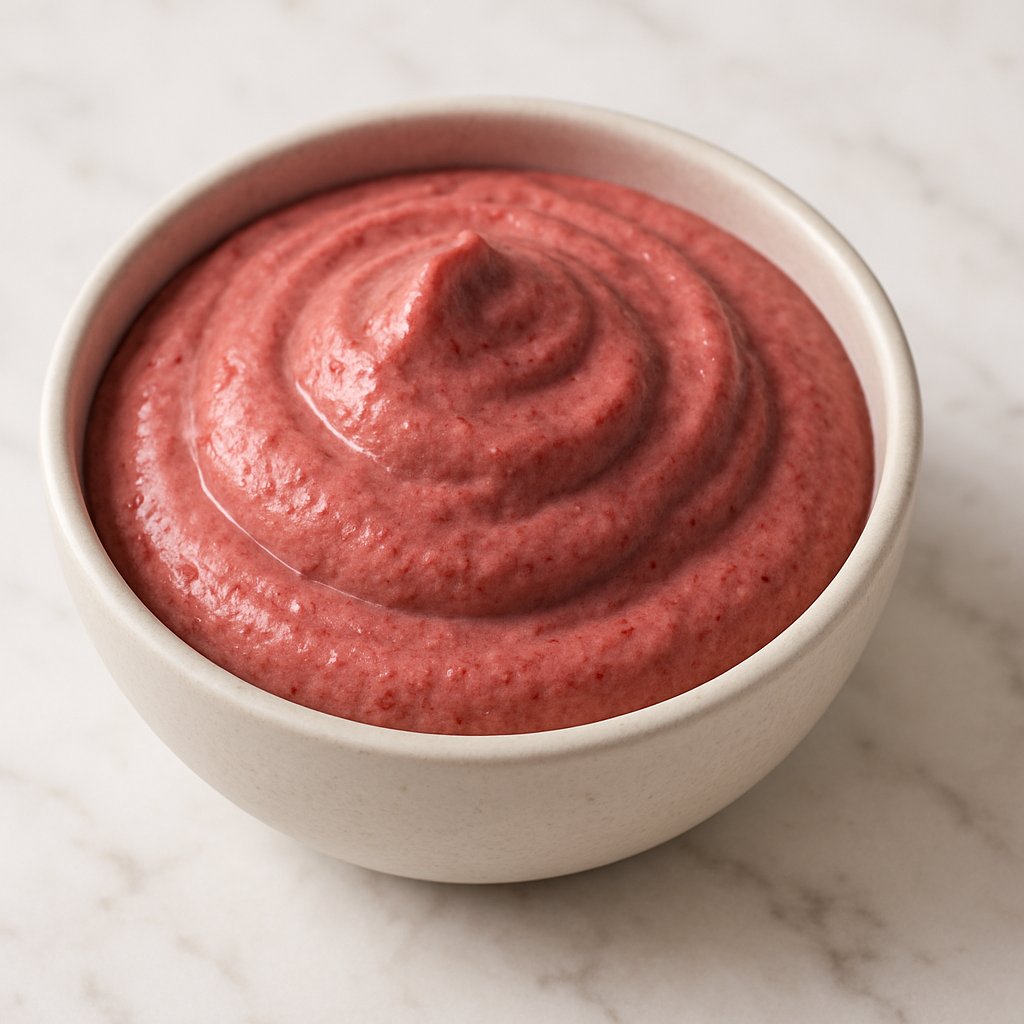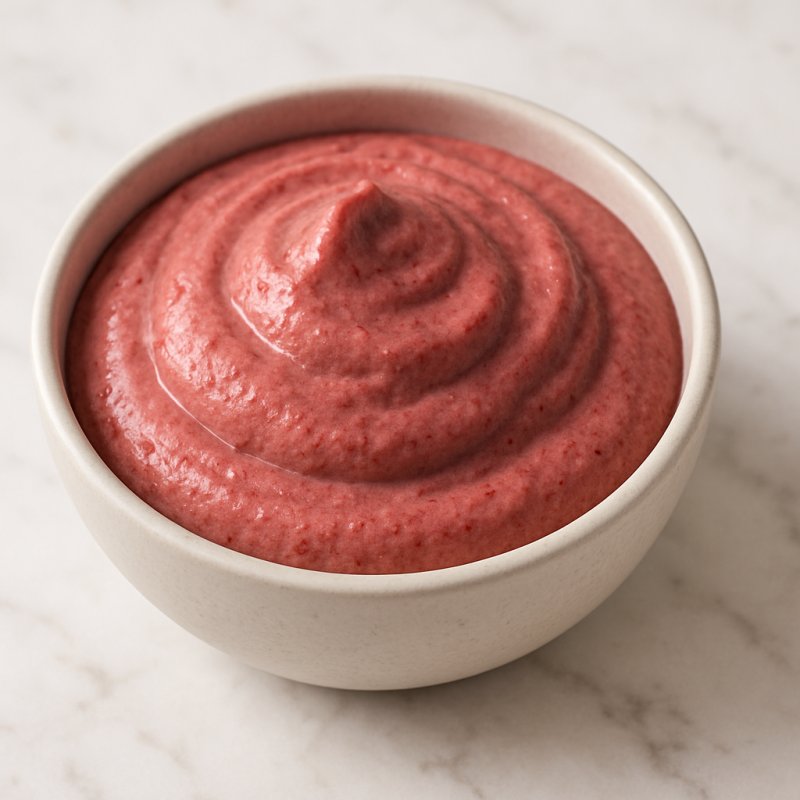
Availability and types of red wine mousse
A red wine mousse is a creamy dessert preparation where red wine is combined with ingredients like cream, eggs or gelatin so that it tastes airy and sweet. Although it is not stocked in supermarkets like yogurt or pudding, it is still fairly available — either homemade, in patisseries or occasionally in specialty delicatessens and dessert producers. You can find recipes in cookbooks, on websites and in cooking shows; in restaurants it appears more often on upscale menus or at special feasts.
Where does the idea come from?
The idea of putting wine into sweet creams comes from countries with a long wine tradition, such as France, Italy and Spain. Local wines are often used there because the taste of the wine is important. You can think of it like this: if you mix strawberries with vanilla ice cream, the fruit changes the flavor of the ice cream — with red wine the same happens to the mousse.
The idea of putting wine into sweet creams comes from countries with a long wine tradition, such as France, Italy and Spain. Local wines are often used there because the taste of the wine is important. You can think of it like this: if you mix strawberries with vanilla ice cream, the fruit changes the flavor of the ice cream — with red wine the same happens to the mousse.
Growing regions of red wine for the mousse
The wine that goes into a red wine mousse often comes from well-known wine regions. Depending on where the wine is grown, the mousse tastes different. Some important regions are:
The wine that goes into a red wine mousse often comes from well-known wine regions. Depending on where the wine is grown, the mousse tastes different. Some important regions are:
- France – Regions like Bordeaux or Burgundy often provide robust, aromatic red wines.
- Italy – There are many different red wines here, for example from Tuscany.
- Spain – Well-known regions like Rioja often produce soft, fruity red wines.
- Germany – Red wine is also produced in Germany, usually lighter than in southern Europe.
- New World (e.g. Australia, Chile, USA) – These wines can be very fruity or very full-bodied, depending on the climate.
Available varieties and variants
Red wine mousse does not come in just one form. Depending on the ingredients and preparation, different variants arise that differ in taste, texture and intensity. Here are some typical versions, explained simply:
Red wine mousse does not come in just one form. Depending on the ingredients and preparation, different variants arise that differ in taste, texture and intensity. Here are some typical versions, explained simply:
- Creamy red wine mousse: Here a lot of cream is used. The mousse is very airy and soft, somewhat like a flavored whipped cream.
- Egg-based red wine mousse: Often egg yolks or beaten egg whites are used. This makes the mixture more stable and sometimes firmer than the pure cream variant.
- With gelatin: When gelatin is added, the mousse becomes firmer and can be easily cut into shapes. Gelatin is a gelling agent from animal protein; there are also plant-based alternatives.
- Light variants: For people who prefer less fat, there are recipes with yogurt or light cream. These taste fresh and are less heavy on the stomach.
- Fruity mix: Sometimes the mousse is combined with berries or fruit sauces. It's like chocolate with strawberries — the flavors complement each other and make the dessert more colorful.
- Child-friendly versions: Since red wine contains alcohol, there are non-alcoholic alternatives that use grape juice or dealcoholized wine. This way children or people who don't want alcohol can enjoy similar tasty desserts.
In short: red wine mousse is versatile. Depending on which wine and ingredients you choose, the flavor ranges from light and fruity to strong and velvety. You can find it as a homemade sweet, at patisseries or in sophisticated menus, and there is always a version to suit your preferences.