Menu & categories

Raspberry juice

Fruity juice made from raspberries with vitamin C

Wiki about raspberry juice Nutri-Score B Vegan Yes Gluten-free Yes Lactose-free Yes Nut-free Yes
NUTRITION / 100 ml
46 kcal 0.5 g Protein 11.0 g Kohlenhydrate 0.2 g Fett

Introduction

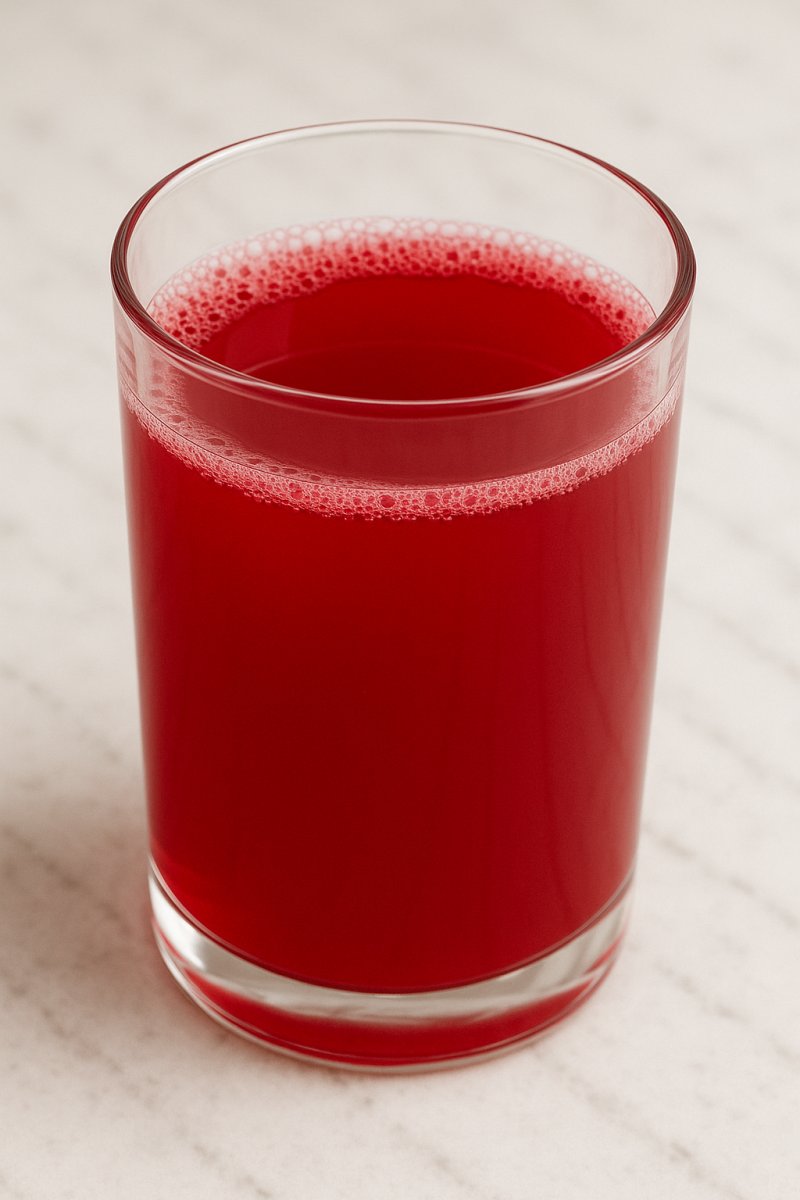
Glass with red raspberry juice and fresh raspberries
I still remember exactly the first sip of real raspberry juice I tried in a small café on the coast: a perfect balance of freshness, acidity and an almost floral sweetness that made me smile immediately. Since then this ingredient hasn't left me. For me raspberry juice is more than a drink; it's a kitchen full of possibilities, a splash of color on the plate and a small comfort for the soul on gray days.

Raspberry juice impresses with its versatility. It pairs excellently with desserts, gives dressings lightness and takes cocktails or refreshing summer drinks to a new level. I like to mix it with mineral water and a sprig of mint for a quick drink that is as uncomplicated as it is refreshing. A colleague of mine swears by combining it with prosecco when guests arrive – it always creates a good atmosphere.

The preparation is surprisingly simple: freshly pressed berries, briefly heated and passed through a fine sieve to remove the seeds. For times when the fruit is out of season, I've learned that frozen raspberries give excellent results and often taste even more intense because they were frozen immediately after harvest. A small trick I once heard from a market vendor: a little lemon juice lifts the flavors and preserves the color.

Raspberry juice also offers interesting health aspects. It contains vitamins, antioxidants and a fruity taste that is often enough to give yogurt, smoothies or chutneys natural sweetness. Of course it is to be enjoyed concentrated: a dash is often enough to add depth to a dish.

  • Taste: fruity, slightly tart, aromatic
  • Use: drinks, desserts, sauces, marinades
  • Shelf life: fresh is limited, store in the refrigerator or freeze
Sometimes I think raspberry juice is something like the secret muse of my kitchen: unobtrusive, yet always ready to bring dishes to life. When I stroll through the market and see the glowing berries, I know a glass of raspberry juice isn't far – and often the walk ends with a new idea for a recipe I absolutely have to try.

Availability & types

Availability and types of raspberry juice

Raspberry juice is a sweet, fruity juice obtained from the red fruits of the raspberry plant. It is available in many supermarkets, health food stores and online. Because raspberries are delicate and spoil quickly, the juice is often sold as a finished product in bottles or cartons – so you can enjoy it year-round, even when fresh raspberries are only available in summer.

Origin and growing regions
Raspberries grow in many countries with a temperate climate. Well-known growing regions include:

  • Europe – countries like Poland, Germany, France and Spain grow many raspberries. In Poland and Spain particularly large quantities are planted for export.
  • North America – the USA and Canada have large raspberry plantations, especially in regions with cooler summers.
  • South America and Asia – raspberries are also cultivated here, often for the local market or for special varieties.
You can imagine it this way: raspberries do not like it too hot or too wet, similar to a plant that prefers a cozy garden rather than a hot desert. That is why they grow well in regions with mild summers.

Available varieties and variants of raspberry juice
Raspberry juice comes in different forms depending on how it was produced and what was added. Here are the main types, simply explained:

  • Pure raspberry juice – this is juice that consists only of pressed raspberries. It tastes very fruity and can be somewhat tart. You can drink it pure or dilute it with water.
  • Raspberry juice concentrate – water and parts of the juice have been removed to take up less space. Before drinking, the concentrate is usually mixed with water again. It is practical for storage and transport.
  • Raspberry juice blends – raspberry juice is often combined with other fruit juices like apple or grape. This makes the flavor milder or sweeter. For children such blends are sometimes more agreeable because they are not as tart.
  • Sweetened raspberry juice – sugar or another sweetener has been added. This makes the juice sweeter but also higher in calories.
  • Cold-pressed vs. pasteurized juice – cold-pressed juice is obtained gently and retains more fresh flavor; pasteurized juice has been briefly heated so there are fewer microbes and it lasts longer. Both variants are safe to drink, the difference is similar to milk: fresh vs. longer lasting.
  • Organic raspberry juice – this juice comes from organic farming, meaning fewer or no chemical pesticides were used in cultivation. For people concerned about environmental protection, this is often an attractive choice.
How do you recognize good raspberry juice?
On the label you can see whether it is pure juice or a blend, whether sugar has been added and where the raspberries come from. If the bottle says “concentrate”, water has been removed. “Cold-pressed” often indicates a more intense taste. Organic seals indicate ecological farming.

In summary: raspberry juice comes from regions with a mild climate, is available in many variants such as pure juice, concentrate, blends or organic and can be bought year-round. This way you can choose the right type according to taste and intended use.
Details & nutrition

Property Value
Unit ml
Calories per 100 46
Protein per 100 0.5
Carbohydrates per 100 11.0
Sugar per 100 10.0
Fat per 100 0.2
Saturated fat per 100 0.01
Monounsaturated fat 0.05
Polyunsaturated fat 0.10
Fiber per 100 0.5
Vitamin C (mg) per 100 20
Vitamin D (IU) per 100 0
Calcium (mg) per 100 18
Iron (mg) per 100 0.5
Nutri-Score B
CO₂ footprint 0.25
Origin Europe
Gluten-free Yes
Lactose-free Yes
Nut-free Yes
Vegan Yes
Note Nutritional values per 100 ml of direct raspberry juice, without added sugar; values may vary slightly depending on the manufacturer.

Technical & scientific information

Raspberry juice is a beverage or food ingredient obtained by pressing or extracting the flesh and juice from raspberries (Rubus idaeus and related species). It is characterized by a deep red to ruby color, which is mainly due to natural pigments such as anthocyanins. Raspberry juice is used both pure as a direct juice and as a concentrate, flavoring or ingredient in blends for beverages, desserts and baked goods.

Composition and constituents
Raspberry juice contains a mixture of water, soluble carbohydrates, organic acids, fiber (in higher amounts in fruit puree or pomace), secondary metabolites and micronutrients. Typical constituents include:

  • Water: the main component that makes up the majority of the volume.
  • Carbohydrates: mainly glucose, fructose and sucrose; sugar content varies depending on ripeness and processing.
  • Organic acids: particularly citric, malic and ascorbic acid (vitamin C) as well as smaller amounts of ellagic acid and other phenolic acids that shape the tart taste.
  • Phenolic compounds: these include anthocyanins (e.g. cyanidin-3-sophoroside and related glycosides), ellagitannins and flavonoids, which have antioxidant properties and contribute significantly to color and aroma profile.
  • Minerals and vitamins: traces of potassium, magnesium, calcium as well as vitamin C and some B vitamins are present; however, amounts are lower than in whole fruit.
  • Tannins and aroma compounds: terpenes, aldehydes and esters that influence the characteristic aroma and taste.
Nutritional values
The nutritional values of raspberry juice depend strongly on concentration, added sugar and the proportion of fruit pulp. Pure direct juice typically provides per 100 ml about 40–70 kcal, 9–15 g carbohydrates (mainly sugars), negligible amounts of fat and protein and small amounts of fiber if pulp is present. Concentrates, sweetened juices or nectars have accordingly higher calorie and sugar contents.

Manufacturing process
Industrial production includes several steps for quality assurance and preservation:

  • Harvesting and sorting: ripe, undamaged berries are selected to avoid off-flavors and spoilage.
  • Washing and crushing: removal of foreign matter and opening the berries to release the juice.
  • Pressing and filtering: mechanical pressing extracts juice; filtration removes solids and seeds. In direct juice some pulp may remain.
  • Clarification and enzymatic treatment: enzymes such as pectinases reduce viscosity and improve yield and clarity.
  • Concentration: vacuum or drying processes remove water for transport and storage; aroma preservation is partly handled separately.
  • Pasteurization and filling: heat treatment kills pathogenic microorganisms and extends shelf life; aseptic filling prevents recontamination.
Health aspects
Raspberry juice provides antioxidant compounds that can counteract oxidative stress. Anthocyanins and ellagitannins are associated with anti-inflammatory effects and potential cardiovascular benefits. The relative content of vitamin C may support the immune system, but it is often lower in juice form than in fresh fruit. Negative aspects arise mainly with sweetened products: high sugar content can contribute to excess energy intake and metabolic risks. Sensitive individuals may react to fruit acids with gastric irritation. For therapeutic questions or special diets it is advisable to check nutritional information and sugar amounts on the label.

Storage and shelf life
Unopened pasteurized juices are shelf-stable for several months when stored cool and dark; opened packages should be refrigerated and consumed within a few days to weeks. Concentrates and frozen juices retain aroma and constituents longer, while frozen products particularly protect sensitive anthocyanins.

Overall, raspberry juice is an aromatically intense ingredient with biologically active polyphenols and a nutritional profile that offers both benefits from secondary plant compounds and potential drawbacks from added sugar. The choice between direct juice, concentrate or blended products significantly affects taste, nutritional values and health effects.

Wiki entry for: raspberry juice
Active now: 12 visitors of which 2 logged-in members in the last 5 minutes