Availability and types of raspberry juice
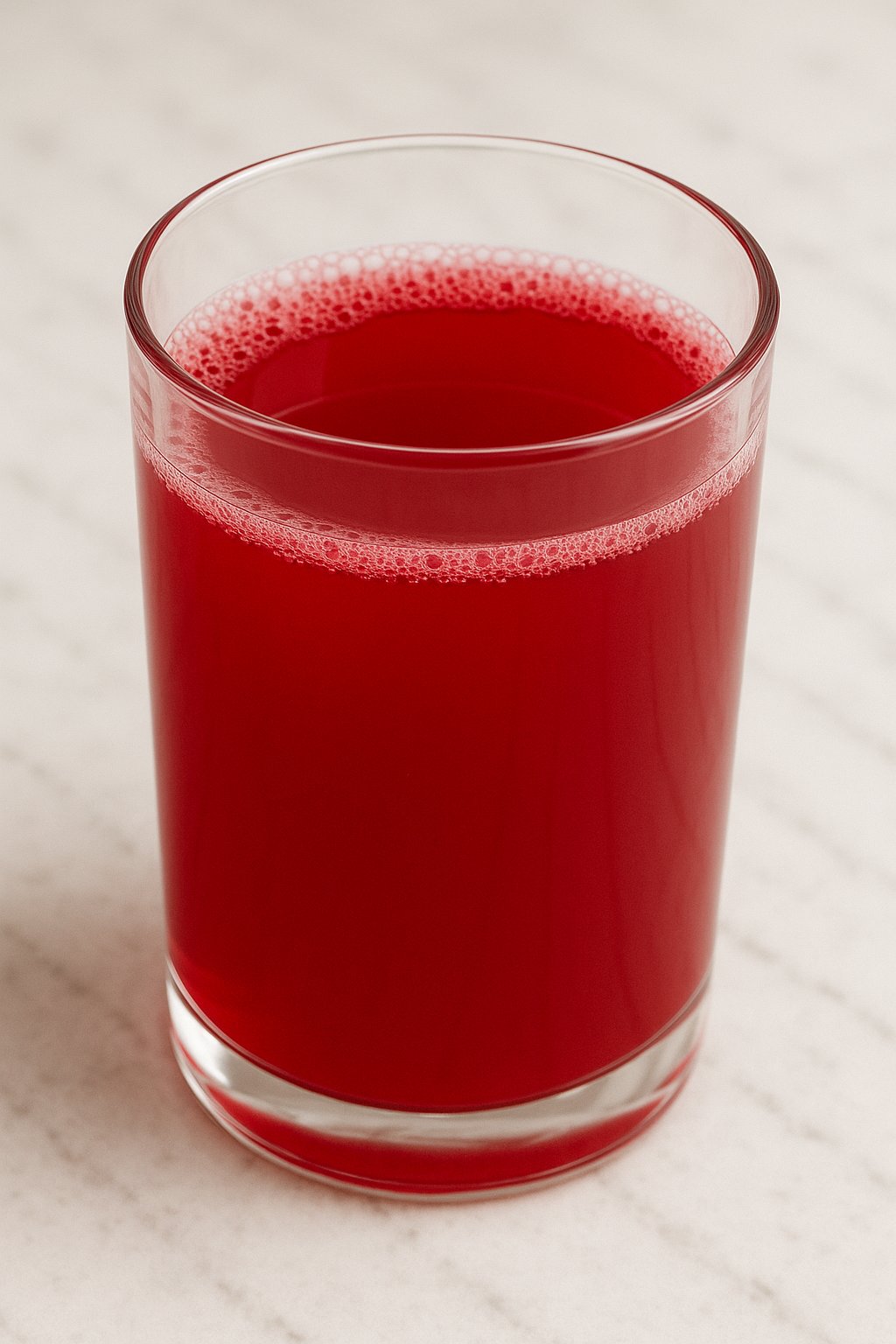
Raspberry juice is a sweet, fruity juice obtained from the red fruits of the raspberry plant. It is available in many supermarkets, health food stores and online. Because raspberries are delicate and spoil quickly, the juice is often sold as a finished product in bottles or cartons – so you can enjoy it year-round, even when fresh raspberries are only available in summer.
Origin and growing regions
Raspberries grow in many countries with a temperate climate. Well-known growing regions include:
Raspberries grow in many countries with a temperate climate. Well-known growing regions include:
- Europe – countries like Poland, Germany, France and Spain grow many raspberries. In Poland and Spain particularly large quantities are planted for export.
- North America – the USA and Canada have large raspberry plantations, especially in regions with cooler summers.
- South America and Asia – raspberries are also cultivated here, often for the local market or for special varieties.
You can imagine it this way: raspberries do not like it too hot or too wet, similar to a plant that prefers a cozy garden rather than a hot desert. That is why they grow well in regions with mild summers.
Available varieties and variants of raspberry juice
Raspberry juice comes in different forms depending on how it was produced and what was added. Here are the main types, simply explained:
Raspberry juice comes in different forms depending on how it was produced and what was added. Here are the main types, simply explained:
- Pure raspberry juice – this is juice that consists only of pressed raspberries. It tastes very fruity and can be somewhat tart. You can drink it pure or dilute it with water.
- Raspberry juice concentrate – water and parts of the juice have been removed to take up less space. Before drinking, the concentrate is usually mixed with water again. It is practical for storage and transport.
- Raspberry juice blends – raspberry juice is often combined with other fruit juices like apple or grape. This makes the flavor milder or sweeter. For children such blends are sometimes more agreeable because they are not as tart.
- Sweetened raspberry juice – sugar or another sweetener has been added. This makes the juice sweeter but also higher in calories.
- Cold-pressed vs. pasteurized juice – cold-pressed juice is obtained gently and retains more fresh flavor; pasteurized juice has been briefly heated so there are fewer microbes and it lasts longer. Both variants are safe to drink, the difference is similar to milk: fresh vs. longer lasting.
- Organic raspberry juice – this juice comes from organic farming, meaning fewer or no chemical pesticides were used in cultivation. For people concerned about environmental protection, this is often an attractive choice.
How do you recognize good raspberry juice?
On the label you can see whether it is pure juice or a blend, whether sugar has been added and where the raspberries come from. If the bottle says “concentrate”, water has been removed. “Cold-pressed” often indicates a more intense taste. Organic seals indicate ecological farming.
On the label you can see whether it is pure juice or a blend, whether sugar has been added and where the raspberries come from. If the bottle says “concentrate”, water has been removed. “Cold-pressed” often indicates a more intense taste. Organic seals indicate ecological farming.
In summary: raspberry juice comes from regions with a mild climate, is available in many variants such as pure juice, concentrate, blends or organic and can be bought year-round. This way you can choose the right type according to taste and intended use.