Availability and types of quark
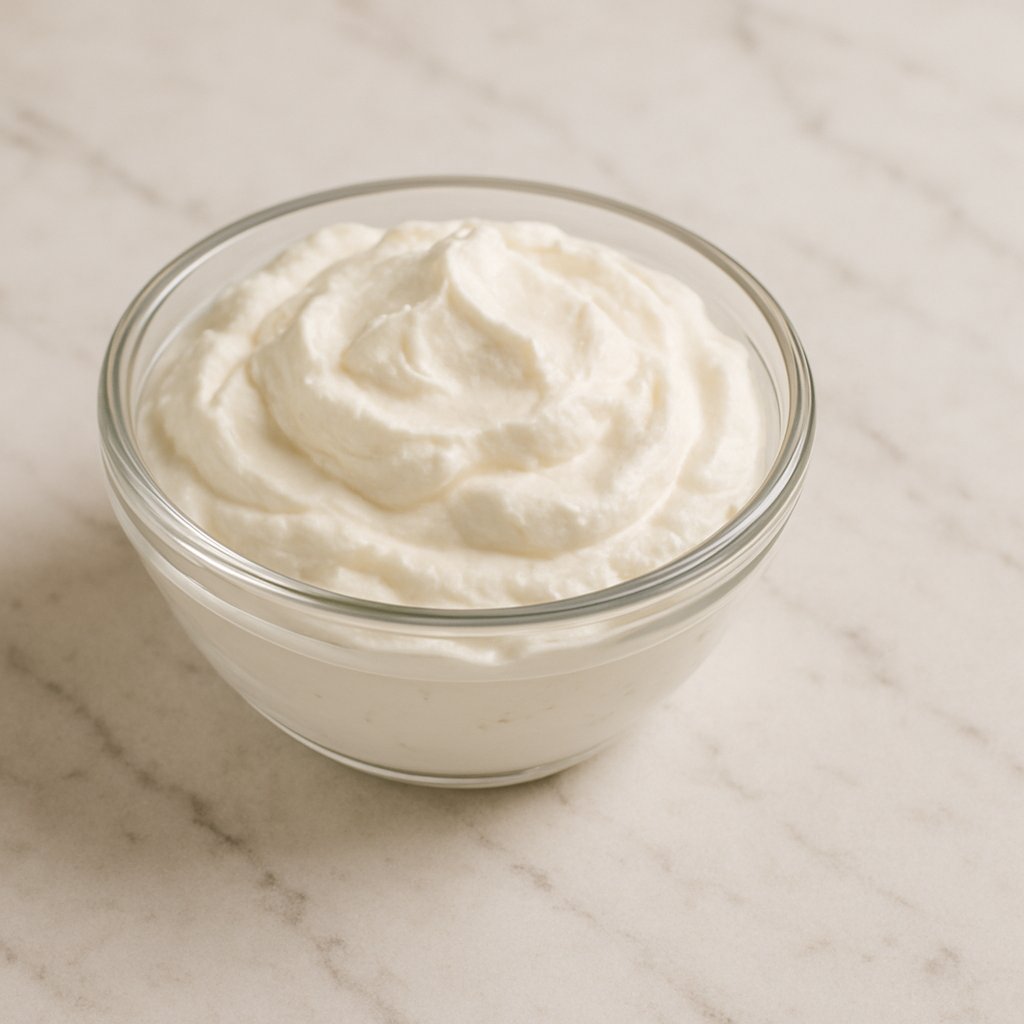
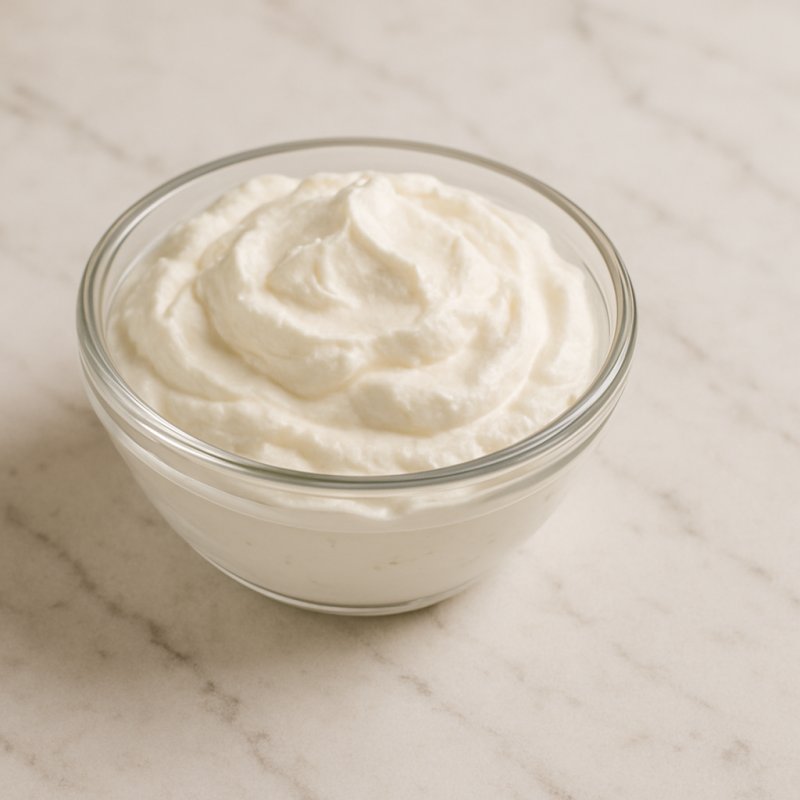
Quark is a fresh dairy product known in many European countries for a long time. It is made from milk by allowing the milk to sour slightly and separating the solid parts (these are called solids) from the liquid. A simple picture: imagine separating yogurt into a firmer part and a clear liquid — that's similar to how quark is produced.
Origin and production areas
Quark mainly comes from Central and Eastern Europe. In Germany, Austria (there it is often called Topfen), Switzerland and countries like Poland or Russia (there called Tvorog) quark is very common. The milk for quark often comes from cows, sometimes from goats or sheep. In rural areas quark is often made directly on small farms or in local dairies, while larger dairies produce it for supermarkets. Quark is available all year round — it is not tied to a particular season.
Quark mainly comes from Central and Eastern Europe. In Germany, Austria (there it is often called Topfen), Switzerland and countries like Poland or Russia (there called Tvorog) quark is very common. The milk for quark often comes from cows, sometimes from goats or sheep. In rural areas quark is often made directly on small farms or in local dairies, while larger dairies produce it for supermarkets. Quark is available all year round — it is not tied to a particular season.
Where to find quark
You can find quark in most supermarkets in the refrigerated section. Sometimes it is also available at the weekly market or directly from farmers. In some countries outside Europe quark is less well known; there it is more likely to be found in health food stores, at European food retailers or made at home.
You can find quark in most supermarkets in the refrigerated section. Sometimes it is also available at the weekly market or directly from farmers. In some countries outside Europe quark is less well known; there it is more likely to be found in health food stores, at European food retailers or made at home.
Important quark types and varieties
Quark comes in many variants. Here are the main ones, explained simply:
Quark comes in many variants. Here are the main ones, explained simply:
- Low‑fat quark: Very low in fat and firm. It doesn't taste very creamy, rather tangy. Great for baking or if you want less fat.
- Quark for everyday use: This is the normal variety for everyday use. Slightly creamier than low‑fat quark and suitable for desserts and dips.
- Cream quark / Doppelrahmquark: This one is particularly creamy because more fat or cream has been added. It is somewhat reminiscent of fresh cheese and is tasty on bread.
- Spreadable quark: Already smoothed and meant for spreading – similar to butter or a cream cheese spread.
- Fruit quark: Quark mixed with fruit, for example strawberry or peach. Sweeter and more like a dessert.
- Herb quark: With fresh herbs such as chives or parsley – ideal as a dip for vegetables or potatoes.
Special variants
There is also organic quark from ecological farming, lactose‑free quark for people who don't tolerate milk sugar well, and increasingly plant‑based quark alternatives made from soy, oats or almonds for people who don't consume milk. These alternatives resemble the taste and consistency of quark but are made without milk.
There is also organic quark from ecological farming, lactose‑free quark for people who don't tolerate milk sugar well, and increasingly plant‑based quark alternatives made from soy, oats or almonds for people who don't consume milk. These alternatives resemble the taste and consistency of quark but are made without milk.
In summary: quark is easy to obtain wherever dairy products are popular. It comes in many varieties – from very light to very creamy, plain or flavored. Depending on whether you want to bake, make a dip or spread it on bread, you choose the appropriate type. That way everyone can find the quark they like best.