Menu & categories

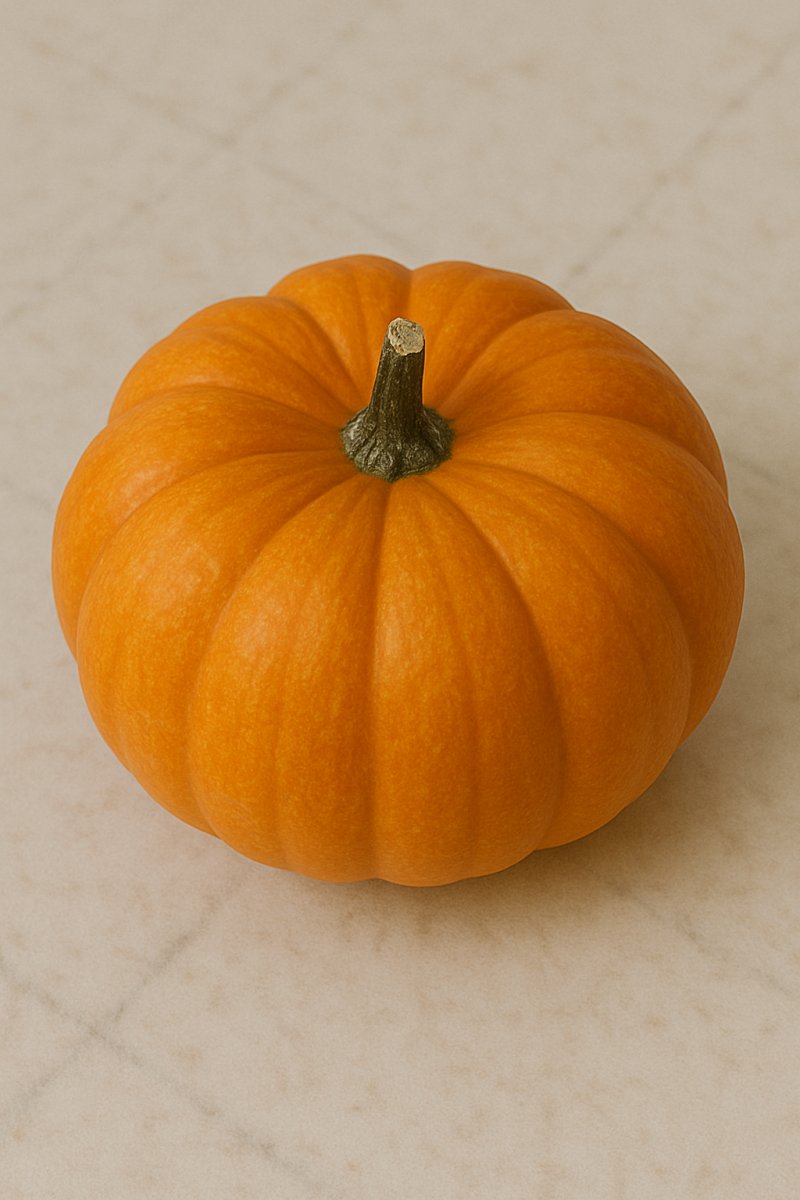
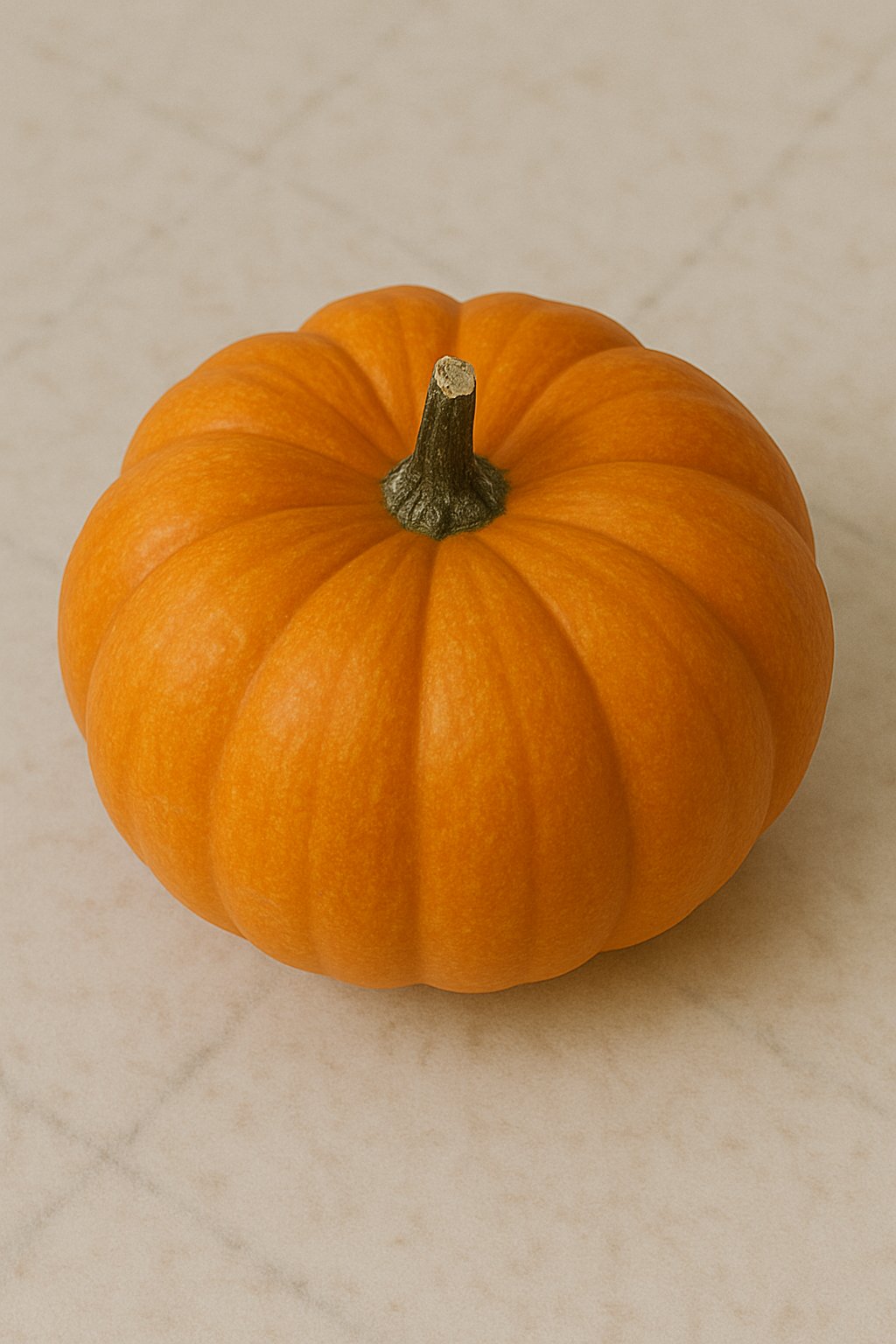
Pumpkin

Versatile autumn vegetable with low calories

Wiki about pumpkin Nutri-Score A Vegan Yes Gluten-free Yes Lactose-free Yes Nut-free Yes
NUTRITION / 100 g
26 kcal 1.0 g Protein 6.5 g Kohlenhydrate 0.1 g Fett

Introduction

Fresh pumpkin
As a 35-year-old editor from Europe, I have profiled countless ingredients in recent years, but the pumpkin is for me much more than just a seasonal symbol. It is a culinary all-rounder, an aesthetic highlight in autumn and a cultural anchor in many regions. From the delicate butternut to the aromatic Hokkaido to the impressively large musquée pumpkin: each variety brings its own texture, color and scent. I remember my first farmers’ market in Tuscany, where a stallholder presented a pumpkin like a work of art. He cut it open, let me smell the fruity, slightly nutty note and explained how he crisps the skin while the inside becomes a creamy purée. Since then I have understood: the pumpkin is an ingredient that unites tradition and modernity on the plate.

What fascinates me especially is the versatility of this fruit, which botanically counts as a berry. In my kitchen I use it for creamy soups, buttery gnocchi, sweet tarts or as a savory side dish from the oven. A colleague of mine swears by pumpkin as a breakfast ingredient: he bakes pumpkin bread with cinnamon and ginger, spreads it while still warm with some butter and honey and says it gives him energy for the whole morning. Another friend sprinkles roasted pumpkin seeds and some feta over salads – this yields an exciting mix of crunch, freshness and salt. These little anecdotes tell what pumpkin can really do: it adapts without losing itself and gives dishes a friendly, warm depth.

The nutritional value of pumpkin is impressive. It provides beta-carotene, which the body converts into vitamin A, as well as fiber, potassium and vitamin C. This supports vision, skin and the immune system, while its mild sweetness comes without excess sugar. A nutritionist I interviewed for an article explained that the combination of fiber and complex carbohydrates helps keep blood sugar stable. Particularly noteworthy: the seeds are valuable too. They contain magnesium, zinc and plant proteins – ideal for roasting and as a topping for bowls, soups or even desserts. In many European kitchens

Availability & types

Availability and types of pumpkin

Pumpkins are fascinating plants that come in many colors, shapes and sizes. They are not only pretty to look at but also tasty and versatile in the kitchen. In this section you will learn when you can buy pumpkins, where they come from and which varieties exist. The explanations are kept as simple as possible so they are also easy to understand for 12-year-olds.

Origin and history

The pumpkin originally comes from the Americas, especially Central and South America. People there cultivated pumpkins already thousands of years ago. With the age of exploration the pumpkin reached Europe and spread quickly because it is robust and grows well. Today pumpkins are grown in many parts of the world, for example in Europe, Asia, Africa and the USA.

When can you buy pumpkins?

The main season for pumpkins is in autumn. That means: from September to November you will find particularly many fresh pumpkins at markets and in supermarkets. In this period they are often cheapest and taste best.
Some pumpkins store very well. That means they can be kept for weeks or even months in a cool, dry room. Therefore you sometimes still find certain varieties in winter. In spring and summer fresh culinary pumpkins are rather rare, but there are canned products (for example pumpkin purée in tins) or frozen goods if you still want to cook something with pumpkin.

Where are pumpkins grown?

Pumpkins like sun and warm temperatures. They therefore grow well in regions with warm summers. In Germany and Central Europe many pumpkins come from regional cultivation, for example from Bavaria, Baden-Württemberg, Austria or Switzerland. Worldwide, the USA, China, India and Mexico are large producers. In Austria Styria is particularly famous because a lot of oil pumpkin is grown there for the production of pumpkin seed oil.

What is the difference between ornamental pumpkin and culinary pumpkin
Details & nutrition

Property Value
Unit g
Average weight per piece 1500
Calories per 100 26
Protein per 100 1.0
Carbohydrates per 100 6.5
Sugar per 100 2.8
Fat per 100 0.1
Saturated fat per 100 0.02
Monounsaturated fat 0.01
Polyunsaturated fat 0.05
Fiber per 100 1.1
Vitamin C (mg) per 100 9
Vitamin D (IU) per 100 0
Calcium (mg) per 100 21
Iron (mg) per 100 0.8
Nutri-Score A
CO₂ footprint 0.4 kg CO2e/kg
Origin Regional seasonal (autumn), otherwise imported
Gluten-free Yes
Lactose-free Yes
Nut-free Yes
Vegan Yes
Note Values refer to raw edible pumpkin (e.g. Hokkaido/Butternut). Nutritional values may vary slightly by variety.

Technical & scientific information

Pumpkin (Cucurbita) denotes a genus within the family Cucurbitaceae that includes several agronomically relevant species, including Cucurbita pepo, Cucurbita maxima and Cucurbita moschata. These species provide both edible fruits and seeds and are significant in culinary, nutritional and technological terms. The pumpkin is an annual herbaceous plant with a creeping or climbing habit, large lobed leaves and monoecious flowers (separate male and female flowers on the same plant). Pollination occurs primarily entomophilous, especially by bees, which determines fruit set and seed development.

Botany and morphology
The pumpkin fruit is botanically a pepo with a hardened exocarp shell, a often fiber-rich mesocarp zone and a parenchymatic endocarp. Color ranges depending on genotype and ripening stage from green through yellow to deep orange; some varieties also show marbled or striped patterns. Seeds are flat, oval and surrounded by a lignified testa. Important varietal traits are fruit size (from small ornamental pumpkins to specimens over 50 kg), rind structure (smooth to warted) and flesh texture (fibrous to creamy).

Origin and domestication
Archaeobotanical finds date the domestication of various Cucurbita species in Mesoamerica to several thousand years BCE. C. moschata is considered particularly heat-tolerant, C. maxima adaptable to cooler conditions, while C. pepo exhibits wide morphological diversity (including courgettes, spaghetti squash, Halloween pumpkins). Global spread occurred via trade routes from the 16th century onward.

Nutrient profile and bioactive compounds
Pumpkin flesh is low in energy and rich in water, with a moderate proportion of carbohydrates (predominantly soluble and insoluble fibers) and small amounts

Wiki entry for: pumpkin
Active now: 14 visitors of which 2 logged-in members in the last 5 minutes